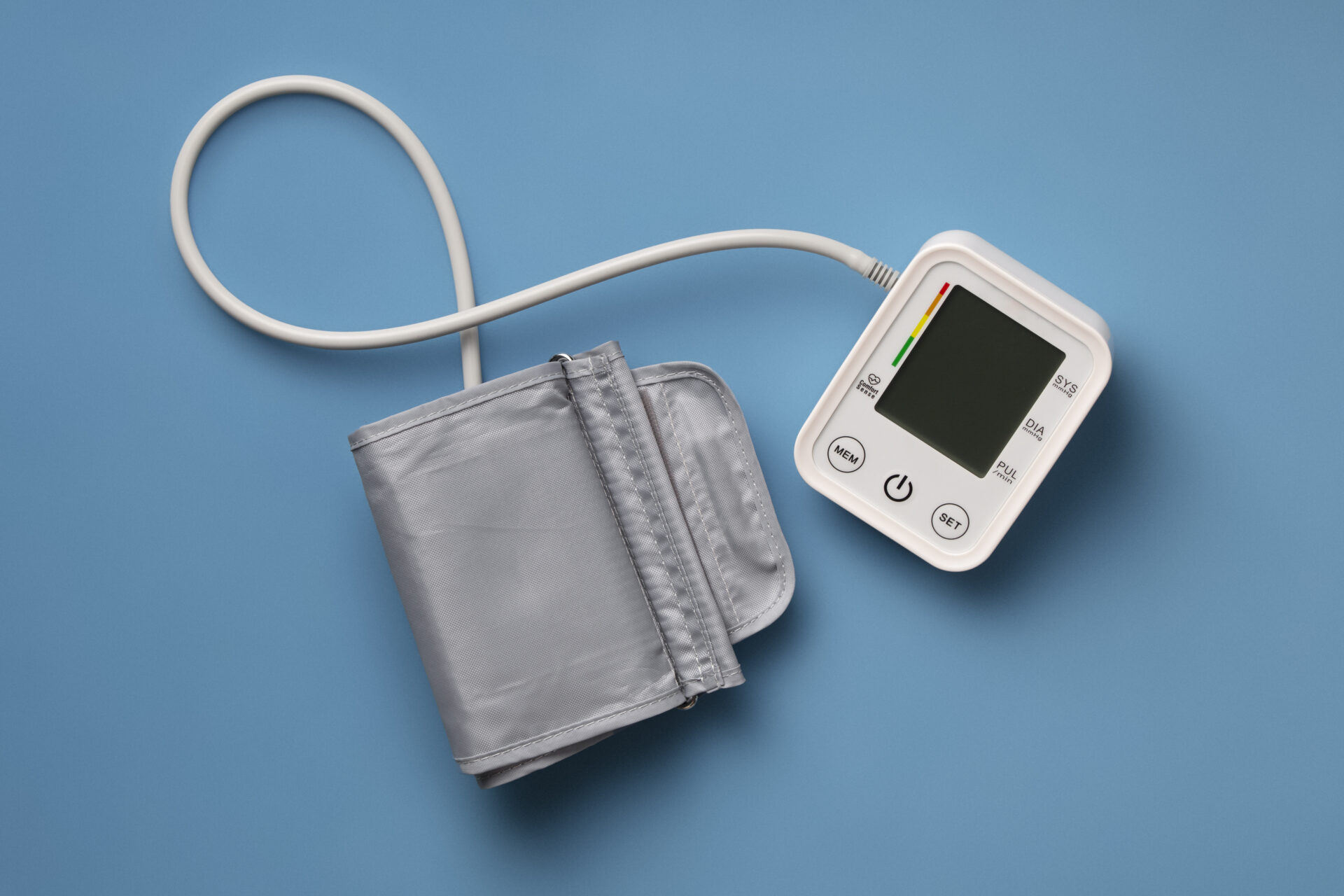
Best BP Monitor for Home Use – Doctor Recommended Choices Explained Gently
Contents
- 1 Best BP Monitor for Home Use – Doctor Recommended Choices Explained Gently
- 1.0.0.0.0.1 Read DISCLAIMER
- 1.0.0.0.0.2 The material presented here is for general informational and educational purposes only and is not medical advice. Although we attempt to provide current and accurate information, this blog should not be used as a replacement for professional medical consultation, diagnosis, or treatment. In all cases, consult your physician or an accredited medical practitioner with regards to any medical condition or treatment. Do not ignore professional medical advice or wait for it on the basis of information provided by this blog. In a medical emergency, call emergency services immediately.
- 1.1 A Quiet Fear Many People Carry: Understanding Blood Pressure at Home
- 1.2 What Blood Pressure Really Represents Inside the Body
- 1.3 Why Doctors Encourage Home Blood Pressure Monitoring
- 1.4 What “Doctor Recommended BP Monitor” Truly Means
- 1.5 Understanding Different Types of BP Monitors at Home
- 1.6 Why Accuracy Matters More Than Features
- 1.7 Emotional Comfort and Trust in a Home BP Monitor
- 1.8 Setting the Foundation Before Choosing the Best BP Monitor
- 2 Best BP Monitor for Home Use – Doctor Recommended Understanding of Accuracy, Technique, and Trust
- 2.1 Why Doctors Look Beyond Brand Names When Recommending a BP Monitor
- 2.2 Clinical Validation: The Quiet Gold Standard Doctors Trust
- 2.3 The Importance of Correct Cuff Size: A Detail That Changes Everything
- 2.4 Why Upper Arm Position Matters More Than Most People Realize
- 2.5 Why Wrist and Finger BP Monitors Are Rarely Doctor Recommended
- 2.6 How Automatic Inflation Improves Accuracy and Comfort
- 2.7 Memory Storage and Trend Viewing: Why Doctors Value Patterns
- 2.8 Avoiding Common Home Measurement Mistakes Doctors See Every Day
- 2.9 Trust Builds Consistency, Consistency Builds Insight
- 3 Best BP Monitor for Home Use – Doctor Recommended Features That Truly Matter
- 3.1 Moving From Accuracy to Usability: Why Features Must Support Calm Monitoring
- 3.2 Display Clarity: When Seeing Clearly Reduces Worry
- 3.3 One-Touch Operation: Reducing Human Error Gently
- 3.4 Cuff Comfort: Why Physical Sensation Influences Emotional Response
- 3.5 Irregular Heartbeat Detection: Helpful Signal, Not a Diagnosis
- 3.6 Memory and User Profiles: Supporting Long-Term Awareness
- 3.7 Error Detection and Measurement Guidance: Quiet Coaching
- 3.8 Noise Level and Measurement Experience
- 3.9 Battery Reliability and Power Stability
- 3.10 The Emotional Balance Between Awareness and Obsession
- 4 Best BP Monitor for Home Use – Doctor Recommended Choices for Different Needs and Life Stages
- 4.1 Why There Is No Single “Perfect” BP Monitor for Everyone
- 4.2 Best BP Monitor for Elderly Adults: Comfort, Simplicity, and Reassurance
- 4.3 Best BP Monitor for Long-Term Hypertension Management
- 4.4 Best BP Monitor for First-Time Home Users
- 4.5 Best BP Monitor for Adults With Anxiety About Blood Pressure
- 4.6 Best BP Monitor for Adults With Larger or Smaller Arm Size
- 4.7 Best BP Monitor for Busy Lifestyles
- 4.8 Balancing Technology With Human Simplicity
- 5 Best BP Monitor for Home Use – Doctor Recommended Guidance for Confident, Lifelong Use
- 5.1 Bringing Everything Together: Choosing With Clarity Instead of Confusion
- 5.2 How to Use a Home BP Monitor Without Creating Anxiety
- 5.3 Understanding Readings as Signals, Not Labels
- 5.4 Why Consistency Matters More Than Perfection
- 5.5 How a BP Monitor Supports Lifestyle Awareness Gently
- 5.6 When to Share Readings With Your Doctor
- 5.7 Avoiding Common Emotional Traps of Home Monitoring
- 5.8 Seeing the BP Monitor as a Partner, Not a Judge
- 5.9 A Reflective Conclusion: Choosing Calm Over Fear
- 5.10 FAQs With Answers
Best BP monitor for home use explained with doctor-recommended guidance on accuracy, features, and choosing the right blood pressure machine.
Read DISCLAIMER
The material presented here is for general informational and educational purposes only and is not medical advice. Although we attempt to provide current and accurate information, this blog should not be used as a replacement for professional medical consultation, diagnosis, or treatment. In all cases, consult your physician or an accredited medical practitioner with regards to any medical condition or treatment. Do not ignore professional medical advice or wait for it on the basis of information provided by this blog. In a medical emergency, call emergency services immediately.
A Quiet Fear Many People Carry: Understanding Blood Pressure at Home
Blood pressure is one of those health terms that sounds simple, yet carries a quiet emotional weight. Many adults live their daily lives without feeling unwell, yet somewhere in the background there is a lingering thought about blood pressure, especially as age increases or responsibilities grow. Blood pressure does not always announce itself loudly. It can rise silently, steadily, without pain or warning, and that silence is often what makes people uneasy. When a doctor advises home blood pressure monitoring, it is rarely meant to create fear. Instead, it is meant to bring clarity, awareness, and a sense of control.
A home blood pressure monitor becomes more than just a medical device. It becomes a small window into the body’s inner balance. It allows people to observe how the heart and blood vessels respond to daily life, stress, rest, emotions, sleep, and habits. Yet choosing the best BP monitor for home use can feel confusing. There are many devices, many claims, and many opinions. People often wonder which blood pressure machine doctors actually recommend, which one is accurate, and which one is safe and reliable for long-term use.
This blog is written to gently guide that understanding. It is not meant to rush decisions or push products. It is meant to explain, slowly and clearly, what makes a BP monitor truly doctor recommended, how home monitoring fits into overall health, and why the right device can bring reassurance instead of anxiety. In this first part, we will focus on understanding blood pressure itself, why home monitoring matters so deeply, and what doctors look for when they recommend a BP monitor for home use.
What Blood Pressure Really Represents Inside the Body
Blood pressure is not just a number displayed on a screen. It is a reflection of how hard the heart is working and how flexible or tense the blood vessels are. Every heartbeat pushes blood forward, and every blood vessel responds by stretching or resisting. This interaction creates pressure. When this balance is healthy, blood flows smoothly, nourishing organs without strain. When the balance is disturbed, pressure rises or falls, affecting long-term health.
In adults, blood pressure naturally changes throughout the day. It rises with activity, stress, emotions, and physical effort. It falls during rest and sleep. These fluctuations are normal and healthy. The concern arises when blood pressure remains consistently high or low, even during rest. Persistent high blood pressure slowly strains the heart, kidneys, brain, and eyes, often without obvious symptoms.
Understanding this helps explain why doctors encourage regular monitoring rather than occasional clinic readings. Blood pressure is dynamic, not fixed. A home BP monitor allows people to see patterns rather than isolated moments. This pattern-based understanding is far more valuable than a single reading taken under stress or hurry.
Why Doctors Encourage Home Blood Pressure Monitoring
When doctors recommend a BP monitor for home use, the intention is not constant checking or obsession. The intention is accuracy and truth. Blood pressure readings taken at home often reflect the body’s real state more accurately than those taken in a clinic environment. Anxiety, rushing, and unfamiliar surroundings can temporarily raise blood pressure during doctor visits, a phenomenon often called white coat effect.
Home monitoring allows readings to be taken in a calm, familiar environment. Over time, this creates a clearer picture of average blood pressure. Doctors rely on these trends to make better treatment decisions, adjust medications gently, or even avoid unnecessary medication in some cases.
For adults managing hypertension, diabetes, kidney disease, or heart conditions, home BP monitoring becomes an essential part of care. Even for those without diagnosed conditions, it acts as an early awareness tool. The right BP monitor supports this process without creating stress or confusion.
What “Doctor Recommended BP Monitor” Truly Means
The phrase “doctor recommended” is often used loosely in marketing, but medically, it has a very specific meaning. Doctors recommend BP monitors based on accuracy, consistency, ease of use, and reliability over time. A device does not need to be complex or expensive to earn this trust. It needs to measure correctly, repeatedly, and safely.
Doctors generally prefer monitors that measure blood pressure from the upper arm rather than the wrist or finger. This is because upper arm measurements align more closely with the heart level, making readings more accurate. Devices that use validated technology and have been tested against clinical standards are favored because they reduce the risk of misleading readings.
Another key aspect of doctor recommendation is usability. A BP monitor should be simple enough that readings are taken correctly every time. If a device is confusing, uncomfortable, or unreliable, it may create anxiety or incorrect habits. A truly doctor recommended BP monitor supports calm, consistent monitoring.
Understanding Different Types of BP Monitors at Home
There are several types of blood pressure monitors available for home use, and each has its place. However, not all are equally recommended by doctors. Understanding the difference helps avoid unnecessary confusion and expense.
Upper arm digital BP monitors are the most widely recommended for home use. They automatically inflate the cuff, measure pressure, and display readings clearly. These devices reduce human error and are suitable for most adults, including elderly individuals.
Wrist BP monitors are smaller and more portable, but they are more sensitive to positioning. If the wrist is not held exactly at heart level, readings can become inaccurate. Because of this, doctors usually recommend wrist monitors only when upper arm monitors cannot be used due to arm size, pain, or specific conditions.
Manual BP monitors, which require a stethoscope and manual inflation, are highly accurate when used by trained professionals. However, for home use, they can be difficult to use correctly without training. For most people, digital monitors provide the right balance of accuracy and ease.
Why Accuracy Matters More Than Features
Many BP monitors advertise multiple features such as memory storage, smartphone connectivity, large screens, or irregular heartbeat detection. While some of these features are helpful, accuracy remains the most important factor. A simple device that gives consistent, accurate readings is far more valuable than a complex one that confuses the user.
Doctors focus on whether a monitor has been clinically validated. This means the device has been tested against standard medical equipment under controlled conditions. Validation ensures that readings are reliable across different blood pressure ranges.
For adults monitoring blood pressure at home, trust in the device is essential. If readings feel inconsistent or unrealistic, anxiety increases. A doctor recommended BP monitor reduces this emotional burden by providing dependable results that align with clinical measurements.
Emotional Comfort and Trust in a Home BP Monitor
Health monitoring should bring reassurance, not fear. A well-chosen BP monitor becomes a quiet companion rather than a source of stress. When readings are clear and consistent, people feel more confident about their health. This confidence often leads to better lifestyle choices, improved medication adherence, and calmer communication with doctors.
The emotional aspect of home blood pressure monitoring is often overlooked. Some people avoid checking their BP because they fear high numbers. Others check too frequently, creating anxiety. The right device, combined with proper guidance, encourages balanced monitoring without obsession.
Doctors often advise patients to see the BP monitor as an information tool, not a judgment device. Numbers are signals, not labels. Understanding this mindset is just as important as choosing the right machine.
Setting the Foundation Before Choosing the Best BP Monitor
Before selecting the best BP monitor for home use, it is important to understand personal needs. Factors such as age, arm size, vision, hearing, hand strength, and comfort all matter. A device that suits one person perfectly may not suit another.
Doctors often consider whether a person will be using the device independently or with assistance. Large displays, clear buttons, and comfortable cuffs become especially important for older adults. For younger users, data storage and trend tracking may be more useful.
This thoughtful approach ensures that the BP monitor supports long-term use rather than becoming an unused device in a drawer. The goal is sustainable monitoring, not short-term curiosity.
Best BP Monitor for Home Use – Doctor Recommended Understanding of Accuracy, Technique, and Trust
Why Doctors Look Beyond Brand Names When Recommending a BP Monitor
When people search for the best BP monitor for home use, the mind often goes straight to brand names, reviews, and advertisements. Yet doctors approach this decision very differently. They do not begin with popularity or marketing claims. They begin with one quiet, critical question: can this device be trusted to reflect the body’s true blood pressure again and again, without creating confusion or emotional distress?
Doctors understand that blood pressure is not a static value. It changes minute by minute depending on posture, breathing, emotional state, and even bladder fullness. Because of this natural variability, a BP monitor must be capable of consistent accuracy, not just occasional correctness. A device that gives fluctuating or exaggerated readings can lead to unnecessary fear, incorrect self-adjustment of medicines, or loss of trust in monitoring altogether.
This is why doctor recommended BP monitors are chosen based on validation, reliability, and user behavior rather than appearance or advanced features. A simple, clinically reliable machine that encourages calm and correct measurement is always preferred over a complex device that overwhelms or misleads.
Clinical Validation: The Quiet Gold Standard Doctors Trust
One of the most important factors doctors consider is whether a BP monitor is clinically validated. Clinical validation means the device has been tested against standard mercury or hospital-grade sphygmomanometers under controlled conditions. These tests ensure that the readings are accurate across a wide range of blood pressures, arm sizes, and patient profiles.
For the general public, the term “clinically validated” may sound technical, but emotionally it represents reassurance. It means the device has earned medical trust, not just consumer approval. Doctors rely on this validation because it protects patients from subtle errors that may not be obvious at first glance.
A BP monitor without proper validation may still appear accurate occasionally, but over time it can drift, misread, or exaggerate values. This inconsistency creates emotional instability. One day the reading feels normal, the next day alarming, without any real change in the body. A doctor recommended BP monitor reduces this emotional rollercoaster by offering dependable truth.
The Importance of Correct Cuff Size: A Detail That Changes Everything
One of the most overlooked yet most critical aspects of home blood pressure monitoring is cuff size. Doctors pay close attention to this because an incorrect cuff size can significantly distort readings. A cuff that is too small can falsely elevate blood pressure readings, while a cuff that is too large can give falsely low values.
For adults, arm circumference varies widely based on body structure, muscle mass, and weight. A one-size-fits-all cuff may not truly fit everyone. Doctor recommended BP monitors usually come with adjustable cuffs or offer different cuff sizes to ensure proper fit.
The emotional impact of this detail is profound. Many people believe they have high blood pressure when, in reality, the cuff is simply too tight. This misunderstanding can lead to unnecessary worry, repeated checking, and even overtreatment. When the cuff fits correctly, readings often become calmer, more stable, and more believable.
Doctors often advise patients to measure their upper arm circumference and choose a cuff accordingly. This small step dramatically improves accuracy and restores trust in home monitoring.
Why Upper Arm Position Matters More Than Most People Realize
Blood pressure readings are highly sensitive to arm position. Doctors emphasize this because even the best BP monitor cannot compensate for poor technique. When the upper arm is not at heart level, readings can shift significantly, creating false impressions.
If the arm hangs too low, blood pressure readings tend to be higher. If the arm is raised too high, readings may appear lower. This is not a device error; it is a physiological effect related to gravity and blood flow. Doctor recommended BP monitors assume correct positioning, which is why proper technique is always part of the recommendation.
For home users, this means creating a calm, repeatable routine. Sitting comfortably, resting the arm on a table at heart level, and avoiding movement during measurement helps the device reflect true blood pressure rather than posture-induced variations. This routine itself becomes a form of mindfulness, slowing the body and mind together.
Why Wrist and Finger BP Monitors Are Rarely Doctor Recommended
Many people are drawn to wrist or finger BP monitors because they appear compact, convenient, and modern. However, doctors approach these devices with caution. The wrist and finger arteries are smaller and more sensitive to movement, temperature, and positioning. Even slight changes in wrist angle can significantly alter readings.
In adults, especially older individuals or those with vascular stiffness, wrist readings can be particularly misleading. Holding the wrist exactly at heart level is difficult to maintain consistently, especially without guidance. This increases the risk of inaccurate measurements.
Doctors usually recommend wrist BP monitors only when upper arm measurement is not possible due to medical reasons. Even then, they emphasize strict positioning and repeated confirmation. For most people seeking the best BP monitor for home use, upper arm monitors remain the most reliable and doctor approved option.
How Automatic Inflation Improves Accuracy and Comfort
Doctor recommended BP monitors for home use are almost always fully automatic. Automatic inflation ensures that the cuff pressure increases gradually and evenly, reducing discomfort and measurement error. Manual inflation can create uneven pressure and require skill, which increases variability.
Automatic devices also reduce emotional tension. When a person does not need to pump the cuff manually, they can remain relaxed. Relaxation itself directly affects blood pressure. A calm body produces a more accurate reading.
Doctors understand this mind-body connection deeply. A BP monitor that supports relaxation rather than effort is more likely to reflect true baseline blood pressure. This is why ease of use is considered a medical necessity, not a luxury.
Memory Storage and Trend Viewing: Why Doctors Value Patterns
Modern BP monitors often include memory storage that records previous readings. Doctors value this feature not for convenience, but for pattern recognition. Blood pressure should not be judged based on a single reading. Trends over days or weeks are far more meaningful.
When a BP monitor stores readings automatically, it removes the risk of selective memory or emotional bias. People often remember high readings more vividly than normal ones, which can distort perception. Stored data presents a neutral record that doctors can interpret objectively.
This feature supports emotional balance. Instead of reacting to individual numbers, users learn to observe trends. This shift from reaction to observation is one of the greatest benefits of doctor recommended BP monitors.
Avoiding Common Home Measurement Mistakes Doctors See Every Day
Doctors frequently notice the same mistakes when reviewing home BP readings. Measurements taken immediately after activity, talking during measurement, crossing legs, or checking BP repeatedly in a short time can all distort results. These errors are not signs of carelessness; they are signs of misunderstanding.
A good BP monitor helps minimize some of these errors by guiding the user through the process with clear prompts and stable operation. However, understanding the body’s response to posture and movement is equally important.
Doctors often advise waiting quietly for a few minutes before measurement, breathing normally, and allowing the body to settle. This gentle pause allows blood pressure to reflect resting values rather than transient spikes. The right device supports this calm approach rather than encouraging rushed checking.
Trust Builds Consistency, Consistency Builds Insight
The greatest value of a doctor recommended BP monitor is not just accuracy, but trust. When people trust their device, they measure blood pressure more consistently and calmly. This consistency produces reliable data, which leads to better medical decisions.
Without trust, monitoring becomes irregular or obsessive. Some people avoid checking because they fear high readings. Others check repeatedly, chasing reassurance. Both patterns increase emotional stress and reduce the usefulness of monitoring.
A reliable, comfortable, accurate BP monitor gently encourages balanced use. It becomes part of a healthy routine rather than a source of worry. Doctors value this emotional stability just as much as numerical accuracy.
Best BP Monitor for Home Use – Doctor Recommended Features That Truly Matter
Moving From Accuracy to Usability: Why Features Must Support Calm Monitoring
Once accuracy and validation are ensured, doctors begin to look at something equally important but often underestimated: how the BP monitor feels to use in everyday life. A blood pressure device may be technically accurate, but if it creates confusion, discomfort, or emotional tension, it fails its real purpose. Doctors know that a BP monitor is not used once or twice; it becomes part of a long-term relationship with health. Because of this, the features of the device must support calm, confident, and consistent use.
For adults monitoring blood pressure at home, ease of use is not about convenience alone. It is about emotional safety. When a device is simple, predictable, and gentle, it reduces stress during measurement. This stress reduction itself improves reading accuracy, creating a positive cycle. A doctor recommended BP monitor is one that quietly fits into daily life without demanding attention or creating anxiety.
Display Clarity: When Seeing Clearly Reduces Worry
Doctors often emphasize display clarity more than people expect. A BP monitor with a clear, well-lit display allows users to read numbers easily without squinting or second-guessing. This is especially important for older adults or those with vision difficulties. When numbers are large, contrast is strong, and layout is simple, the mind relaxes.
Confusing displays with multiple symbols, flashing indicators, or crowded screens can create unnecessary tension. People may misread values or focus on warning icons without understanding their meaning. This confusion often leads to repeated checking, self-doubt, and emotional discomfort.
A doctor recommended BP monitor usually has a clean display that shows systolic pressure, diastolic pressure, and pulse rate clearly, without visual clutter. This simplicity helps users trust what they see and move on, rather than getting stuck in interpretation anxiety.
One-Touch Operation: Reducing Human Error Gently
Doctors strongly prefer BP monitors that operate with a single button or minimal steps. This preference is rooted in behavioral science rather than technology. The fewer actions required, the fewer opportunities for mistakes. When people need to remember sequences, settings, or modes, errors become more likely.
One-touch operation allows users to focus on posture, breathing, and relaxation rather than device handling. This focus improves accuracy and emotional comfort simultaneously. For elderly users, those with arthritis, or individuals with limited hand strength, simplicity becomes essential rather than optional.
A BP monitor that starts measurement with one gentle press encourages regular use. It removes hesitation and builds confidence. Doctors value this because consistency matters more than complexity in long-term blood pressure management.
Cuff Comfort: Why Physical Sensation Influences Emotional Response
The cuff is the part of the BP monitor that directly touches the body, and its comfort plays a surprisingly large role in emotional experience. Doctors pay attention to cuff material, shape, and inflation behavior because discomfort can trigger anxiety, muscle tension, and even temporary blood pressure spikes.
A well-designed cuff inflates smoothly, without sudden pressure surges. It fits snugly but not tightly, distributing pressure evenly across the arm. When inflation feels controlled and predictable, the body remains relaxed. When inflation feels abrupt or painful, the body responds defensively, altering readings.
Doctor recommended BP monitors often use contoured cuffs that naturally align with the arm’s shape. This design reduces movement and improves consistency. Comfort is not a luxury; it is a clinical requirement for accurate, repeatable readings.
Irregular Heartbeat Detection: Helpful Signal, Not a Diagnosis
Many modern BP monitors include irregular heartbeat detection. Doctors view this feature as a supportive signal rather than a diagnostic tool. It alerts users when heart rhythm appears inconsistent during measurement, prompting awareness without panic.
For adults, especially those with hypertension or aging hearts, occasional irregular beats can occur without serious disease. The purpose of this feature is not to alarm but to encourage discussion with a healthcare provider if the signal appears frequently.
Doctors appreciate this feature when it is presented calmly, without dramatic warnings. A small symbol or note is enough. Overly aggressive alerts can create fear and lead to misinterpretation. A doctor recommended BP monitor uses this feature as gentle information, not a source of stress.
Memory and User Profiles: Supporting Long-Term Awareness
Doctors strongly value BP monitors that store readings automatically. Memory storage allows users and doctors to observe trends rather than isolated values. Some devices also offer multiple user profiles, which is helpful in households where more than one person monitors blood pressure.
Automatic storage removes the burden of manual logging, which many people forget or abandon over time. It also prevents selective recording, where only high or low readings are remembered. Stored data provides a neutral, complete picture.
From an emotional perspective, memory features help users step back from individual readings and focus on patterns. This shift reduces overreaction and supports calm, informed decision-making. Doctors rely on these trends to guide treatment more than single numbers.
Error Detection and Measurement Guidance: Quiet Coaching
Doctor recommended BP monitors often include gentle error detection features. These may alert the user if the cuff is placed incorrectly, if there is excessive movement, or if measurement conditions are unsuitable. Doctors value these prompts because they prevent silent inaccuracies.
The key is how these errors are communicated. Gentle messages that guide correction without blame support learning and confidence. Harsh alerts or confusing symbols can create frustration and self-doubt.
These features act like quiet coaching, helping users refine technique over time. This ongoing improvement leads to more accurate readings and greater trust in home monitoring.
Noise Level and Measurement Experience
Noise is an often overlooked factor. Some BP monitors produce loud motor sounds during inflation, which can startle or tense users. Doctors prefer quieter devices because a calm environment supports accurate measurement.
A quiet BP monitor encourages relaxation, especially for those who already feel anxious about checking their blood pressure. Reduced noise also makes the device more acceptable for repeated daily use.
The overall measurement experience should feel smooth, predictable, and brief. When the process feels controlled, the body remains cooperative, and the readings become more meaningful.
Battery Reliability and Power Stability
Doctors also consider power stability. A BP monitor that frequently runs out of battery or gives inconsistent readings due to low power can undermine trust. Reliable power ensures consistent performance and reduces frustration.
Some devices offer both battery and adapter options, allowing flexibility. Clear battery indicators prevent sudden failures during measurement. These small details contribute to a sense of reliability and preparedness.
Trust grows when the device works as expected every time. Doctors value this dependability because it supports consistent monitoring habits.
The Emotional Balance Between Awareness and Obsession
A crucial aspect doctors consider is whether a BP monitor encourages healthy awareness without feeding obsession. Devices that constantly highlight “high” readings without context can increase anxiety. Doctor recommended BP monitors present information neutrally, allowing interpretation with professional guidance.
The goal of home monitoring is understanding, not constant vigilance. The right features support this balance by making measurement easy but not intrusive, informative but not alarming.
When a BP monitor respects emotional boundaries, it becomes a supportive tool rather than a source of stress. Doctors recognize this subtle but powerful influence.
Best BP Monitor for Home Use – Doctor Recommended Choices for Different Needs and Life Stages
Why There Is No Single “Perfect” BP Monitor for Everyone
As understanding deepens, one important truth becomes clear: there is no single blood pressure monitor that is perfect for every person. Doctors never recommend a device in isolation from the individual using it. Age, physical comfort, vision, hearing, hand strength, emotional sensitivity, medical conditions, and daily routine all influence what makes a BP monitor truly suitable. A device that works beautifully for one adult may feel frustrating or intimidating to another.
Doctors approach this with sensitivity. Their goal is not to impress with technology but to ensure that monitoring becomes a natural, sustainable habit. Blood pressure management is not a short journey. It is a long, quiet partnership with one’s body. The BP monitor must support that partnership gently, without creating resistance or fear.
Best BP Monitor for Elderly Adults: Comfort, Simplicity, and Reassurance
For elderly adults, doctors prioritize comfort, clarity, and ease above all else. Aging brings natural changes in vision, hearing, joint flexibility, and hand strength. A BP monitor that is difficult to operate or uncomfortable to wear can quickly become unused, no matter how accurate it may be.
Doctors usually recommend upper arm digital BP monitors with large, high-contrast displays for older adults. Clear numbers reduce eye strain and prevent misreading. One-touch operation minimizes confusion and reduces the need to remember steps. Automatic inflation that is gentle and smooth helps avoid discomfort that can cause anxiety or muscle tension.
Cuff comfort becomes especially important in this age group. Elderly skin is more sensitive, and sudden tight inflation can feel distressing. A soft, well-fitted cuff that inflates gradually helps maintain calm during measurement. When the experience feels gentle, elderly users are more likely to measure regularly and trust the results.
Emotionally, reassurance matters deeply. Doctors often encourage elderly adults to view the BP monitor as a helper rather than a judge. The right device supports this mindset by being predictable, quiet, and easy to understand.
Best BP Monitor for Long-Term Hypertension Management
For adults living with high blood pressure over many years, doctors look for durability, consistency, and reliable memory storage. Long-term hypertension management depends on observing trends rather than reacting to single readings. The BP monitor becomes part of ongoing care, not an occasional tool.
Doctors often recommend devices with strong internal memory that can store weeks or months of readings. This allows both patient and doctor to review patterns calmly. It also reduces the temptation to check repeatedly out of anxiety, because the data is safely recorded.
Accuracy over time is critical in this group. A monitor that slowly drifts or gives inconsistent readings can lead to incorrect medication adjustments. Clinically validated devices with stable sensors are preferred. Some doctors also value monitors that allow averaging of multiple readings, as this provides a more reliable picture of true blood pressure.
For long-term users, emotional fatigue can occur. Constant focus on numbers can feel overwhelming. A good BP monitor supports routine without drama, helping blood pressure management blend into life rather than dominate it.
Best BP Monitor for First-Time Home Users
First-time BP monitor users often feel uncertain. They may worry about doing something wrong or misinterpreting results. Doctors recognize this emotional vulnerability and recommend devices that guide gently rather than overwhelm.
For beginners, simplicity is essential. A clear display, minimal buttons, and automatic operation reduce mental load. Error detection features that calmly indicate improper cuff placement or movement help users learn correct technique without feeling judged.
Doctors often recommend devices that provide consistent readings without excessive alerts. Too many symbols or warnings can confuse first-time users and increase anxiety. A calm, straightforward device helps build confidence and trust.
The goal for beginners is not perfect technique immediately, but comfort and familiarity. When the first experiences with home monitoring are positive, the habit forms naturally. Doctors know that emotional comfort at the beginning determines long-term success.
Best BP Monitor for Adults With Anxiety About Blood Pressure
Some adults experience significant anxiety around blood pressure measurement itself. The act of checking can raise blood pressure temporarily, creating a cycle of fear and high readings. Doctors approach this situation with great care.
For anxious individuals, doctors often recommend BP monitors that are quiet, smooth, and visually calm. Devices with soft inflation and minimal noise help reduce physiological stress responses. Displays that show numbers clearly without flashing warnings support emotional stability.
Doctors may also recommend monitors with memory storage so that individuals do not feel the need to check repeatedly. Knowing that readings are recorded allows users to step back and focus on trends rather than momentary spikes.
Emotionally, the right BP monitor becomes a tool for reassurance rather than threat. Doctors may advise structured monitoring schedules rather than frequent checking, helping anxiety gradually reduce as trust in the process grows.
Best BP Monitor for Adults With Larger or Smaller Arm Size
Arm size is a practical but crucial consideration that doctors take seriously. Adults with larger arms often receive falsely high readings when using standard cuffs. Those with very slender arms may experience loose fit and inaccurate results.
Doctors recommend BP monitors that offer a wide-range cuff or multiple cuff size options. Proper fit ensures that pressure is distributed evenly and readings reflect true blood pressure rather than mechanical distortion.
For individuals who have struggled with inconsistent readings in the past, correcting cuff size often brings immediate improvement. This experience can be emotionally relieving, as it resolves confusion and restores trust in home monitoring.
Doctors view proper cuff sizing as a foundation of accurate measurement. Without it, even the most advanced device cannot perform reliably.
Best BP Monitor for Busy Lifestyles
Some adults struggle to maintain consistent health routines due to busy schedules. Doctors recognize that monitoring must fit into real life, not demand perfection. For these individuals, speed, reliability, and minimal setup matter most.
Doctors often recommend devices that complete measurements quickly and store data automatically. This allows users to check blood pressure without disrupting daily flow. A device that works efficiently encourages consistency without creating resistance.
Emotionally, busy individuals benefit from devices that reduce decision-making. When monitoring feels effortless, it is more likely to continue long-term. Doctors value this sustainability more than occasional perfect readings.
Balancing Technology With Human Simplicity
While some BP monitors offer smartphone connectivity and advanced analytics, doctors approach these features cautiously. For some users, they enhance engagement and understanding. For others, they increase anxiety and overanalysis.
Doctors recommend technology only when it supports clarity rather than distraction. The best BP monitor for home use is one that matches the user’s comfort with technology. Simplicity often wins over complexity when emotional well-being is considered.
This balanced approach ensures that the device serves the person, not the other way around.
Best BP Monitor for Home Use – Doctor Recommended Guidance for Confident, Lifelong Use
Bringing Everything Together: Choosing With Clarity Instead of Confusion
By the time an adult reaches this point in understanding home blood pressure monitoring, the noise around brands, advertisements, and dramatic claims begins to fade. What remains is something far more grounding: clarity. Choosing the best BP monitor for home use is no longer about finding the most popular device or the one with the most features. It becomes about choosing a tool that fits gently into daily life, supports accurate awareness, and protects emotional well-being.
Doctors never view a BP monitor as a symbol of illness. They view it as a bridge between the body and understanding. When the right device is chosen, it does not dominate attention or create fear. It quietly does its job, offering information without judgment. This shift in perspective is essential, because long-term health monitoring succeeds only when it feels supportive rather than burdensome.
At this stage, the decision becomes simpler. A doctor recommended BP monitor is accurate, clinically validated, comfortable, easy to use, and suited to the individual’s physical and emotional needs. Everything else is secondary.
How to Use a Home BP Monitor Without Creating Anxiety
One of the most important lessons doctors gently emphasize is that how a BP monitor is used matters just as much as which monitor is chosen. Blood pressure responds to emotions instantly. Fear, anticipation, and overthinking can raise readings even before the cuff inflates. Because of this, doctors encourage a calm, respectful approach to measurement.
Using a BP monitor should feel like a quiet pause, not a test. Sitting comfortably, breathing naturally, and allowing the body to settle before measurement helps reveal true blood pressure rather than stress-induced spikes. Doctors often remind patients that numbers taken in tension are not reflections of reality, but of the moment.
Equally important is avoiding repeated checking. Checking blood pressure multiple times in a short period out of worry can create a cycle where anxiety feeds high readings, which then feed more anxiety. A doctor recommended approach involves structured, spaced measurements that focus on trends rather than instant reassurance.
When the BP monitor is used calmly and consistently, it becomes a tool for understanding, not a trigger for fear.
Understanding Readings as Signals, Not Labels
Blood pressure readings are messages, not identities. A single high reading does not mean a person “has high blood pressure” forever. A single normal reading does not mean there is no need for awareness. Doctors interpret blood pressure in context, over time, and alongside symptoms and lifestyle factors.
When adults learn to see BP readings as signals, emotional pressure reduces. A higher-than-expected reading becomes an invitation to rest, review habits, or consult a doctor, not a verdict. A normal reading becomes reassurance, not permission to ignore health entirely.
This mindset is deeply empowering. It places control back into the hands of the individual without burdening them with responsibility or fear. The BP monitor becomes a source of information, not self-judgment.
Why Consistency Matters More Than Perfection
Doctors consistently emphasize that consistency matters more than perfect technique every time. Occasional imperfect readings do not invalidate home monitoring. What matters is establishing a routine that is sustainable and kind.
Taking readings at similar times of day, under similar conditions, allows meaningful comparison. Over weeks and months, patterns emerge naturally. These patterns guide decisions far more effectively than chasing perfect numbers.
Perfectionism often leads to burnout or avoidance. Consistency builds familiarity and confidence. A doctor recommended BP monitor supports this consistency by being reliable, comfortable, and easy to use repeatedly without resistance.
How a BP Monitor Supports Lifestyle Awareness Gently
One of the quiet benefits of home blood pressure monitoring is increased lifestyle awareness. Without lectures or pressure, the BP monitor reflects how sleep, stress, salt intake, hydration, physical activity, and emotional state influence blood pressure.
Doctors value this feedback loop because it empowers adults to make small, meaningful adjustments. Improved sleep, regular movement, calmer routines, and mindful eating often reflect positively in readings over time. This natural reinforcement is far more effective than fear-driven motivation.
The BP monitor becomes a mirror rather than a warning sign. It shows cause and effect gently, allowing individuals to learn from their own bodies rather than external rules.
Home BP monitoring is most powerful when it supports communication with healthcare providers. Doctors appreciate when patients bring organized, trend-based readings rather than isolated numbers remembered from memory.
Sharing consistent home readings helps doctors make informed decisions about medication, lifestyle advice, or further investigations. It reduces guesswork and unnecessary treatment changes. It also builds partnership, where both patient and doctor work from the same understanding.
Doctors often remind patients that they do not need to interpret everything themselves. The BP monitor gathers information; medical guidance helps translate it. This division of roles reduces emotional burden and supports safer care.
Avoiding Common Emotional Traps of Home Monitoring
Doctors frequently observe two emotional extremes with home BP monitoring. Some people avoid checking altogether because they fear high readings. Others check excessively, seeking constant reassurance. Both patterns can increase stress and reduce the usefulness of monitoring.
A balanced approach lies in structured awareness. Checking at recommended intervals, recording results calmly, and focusing on long-term patterns keeps monitoring healthy. The right BP monitor supports this balance by being unobtrusive and reliable rather than dramatic or alarming.
Understanding that fluctuations are normal helps prevent overreaction. Blood pressure is alive, responsive, and adaptive. Expecting it to remain perfectly stable creates unrealistic expectations.
Seeing the BP Monitor as a Partner, Not a Judge
Perhaps the most important emotional shift is learning to see the BP monitor as a partner in health rather than a judge of behavior or worth. It does not reward or punish. It reflects. When this relationship is respectful, monitoring becomes empowering rather than stressful.
Doctors often emphasize that health is not about controlling every variable. It is about awareness, responsiveness, and kindness toward the body. The BP monitor supports this philosophy when chosen and used thoughtfully.
Over time, this partnership builds confidence. Fear diminishes. Awareness grows. Health decisions become calmer and more informed.
A Reflective Conclusion: Choosing Calm Over Fear
Choosing the best BP monitor for home use is not a technical decision alone. It is an emotional and practical one. A doctor recommended BP monitor is accurate, validated, comfortable, and simple, but more importantly, it supports a calm relationship with health.
Blood pressure does not need to be feared. It needs to be understood. Home monitoring, when done gently, offers insight without intimidation. It allows adults to participate actively in their health without becoming overwhelmed.
As this journey comes to a close, the most valuable message is this: the right BP monitor does not make you anxious, and it does not demand perfection. It quietly supports awareness, encourages balance, and reminds you that health is a living process, not a fixed number.
When chosen wisely and used calmly, a home BP monitor becomes more than a device. It becomes a steady companion in long-term well-being, helping you listen to your body with clarity, confidence, and compassion.
FAQs With Answers
- Which is the best BP monitor for home use as per doctors?
Doctors generally recommend a clinically validated digital upper arm BP monitor for home use. These devices provide the most accurate and consistent readings because the upper arm artery is closest to heart level. A doctor-recommended BP monitor is chosen not for brand popularity, but for reliability, ease of use, correct cuff fit, and long-term accuracy.
- Why do doctors prefer upper arm BP monitors over wrist monitors?
Upper arm BP monitors are preferred because they measure blood pressure closer to the heart, reducing errors caused by posture and positioning. Wrist monitors are more sensitive to movement and arm angle, which can lead to inaccurate readings if not held precisely at heart level. For most adults, upper arm monitors offer better consistency.
- Is a digital BP monitor accurate for home use?
Yes, a digital BP monitor is accurate for home use when it is clinically validated and used correctly. Doctors trust digital monitors because they reduce human error, inflate automatically, and provide repeatable readings. Accuracy improves further when measurements are taken calmly and consistently.
- What does doctor recommended BP monitor actually mean?
Doctor recommended BP monitor means a device that meets clinical validation standards, provides consistent readings, and is easy for patients to use correctly at home. It does not mean the most expensive or feature-rich model, but one that supports accurate, stress-free monitoring.
- How often should blood pressure be checked at home?
Doctors usually recommend checking blood pressure once or twice daily during initial monitoring or medication adjustment, and less frequently once readings stabilize. Overchecking can create anxiety and distort results. Structured, consistent measurement is more important than frequent checking.
- Can anxiety affect home blood pressure readings?
Yes, anxiety can temporarily raise blood pressure during measurement. This is why doctors advise resting quietly before checking BP and using a comfortable, quiet monitor. A calm environment helps reveal true resting blood pressure rather than stress-related spikes.
- What cuff size should be used for accurate BP readings?
The cuff size should match the circumference of the upper arm. A cuff that is too small can falsely raise readings, while a cuff that is too large can lower them. Doctors strongly emphasize correct cuff size as one of the most important factors in accurate home monitoring.
- Are expensive BP monitors more accurate?
Not necessarily. Accuracy depends on clinical validation and proper usage, not price. Many affordable BP monitors meet medical standards and perform just as well as expensive models. Doctors prioritize reliability and comfort over advanced features.
- What features do doctors prefer in a home BP monitor?
Doctors prefer features that support calm and correct usage, such as large clear displays, one-touch operation, memory storage, gentle inflation, and error detection. Features should simplify monitoring, not overwhelm or confuse the user.
- Can one BP monitor be used by multiple family members?
Yes, many BP monitors support multiple user profiles. This allows separate storage of readings for each person. Doctors recommend this feature when more than one adult monitors blood pressure at home, as it prevents data mixing and confusion.
- How accurate are BP monitors compared to hospital machines?
Clinically validated home BP monitors are very close in accuracy to hospital machines when used properly. Doctors often rely on home readings to guide treatment decisions because they reflect real-life blood pressure more accurately than clinic readings alone.
- Should BP readings be recorded or shown to a doctor?
Yes, doctors value recorded or stored BP readings because they show trends over time. This helps in adjusting treatment safely and avoids decisions based on isolated readings. Trend data is far more meaningful than single measurements.
- What mistakes should be avoided while checking BP at home?
Common mistakes include measuring immediately after activity, talking during measurement, incorrect arm position, and using the wrong cuff size. Doctors emphasize resting before measurement and maintaining consistent posture for accurate results.
- Is home BP monitoring safe for elderly people?
Yes, home BP monitoring is safe and highly beneficial for elderly individuals when using a simple, comfortable, doctor-recommended BP monitor. Large displays, one-touch operation, and gentle cuff inflation make monitoring easier and more reassuring for seniors.
- How do I know if my BP monitor is reliable?
A reliable BP monitor is clinically validated, gives consistent readings, fits properly, and matches clinic measurements reasonably well. Doctors often compare home readings with clinic readings to confirm reliability and adjust technique if needed.
Expert Resources for Further Reading
To help you stay informed, we have curated a list of trusted guides from the world’s leading healthcare organizations:
- Home Blood Pressure Monitoring – American Heart Association
- How to Get the Most Out of Home BP Monitoring – Mayo Clinic
- Best Blood Pressure Monitors of 2026 – AARP
- Choosing a Blood Pressure Monitor for Home – MedlinePlus
- Top-Rated Home Monitors for 2026 – National Council on Aging
- Expert Tips for Buying a BP Machine – EasyCare Global
- The Ultimate Guide to BP Monitor Accuracy – Omron Healthcare
- How to Accurately Measure BP at Home – AHA News
- Understanding Your Numbers (Infographic) – Go Red for Women
- Ensuring Accuracy for Your Health – Mayo Clinic Store
About The Author
