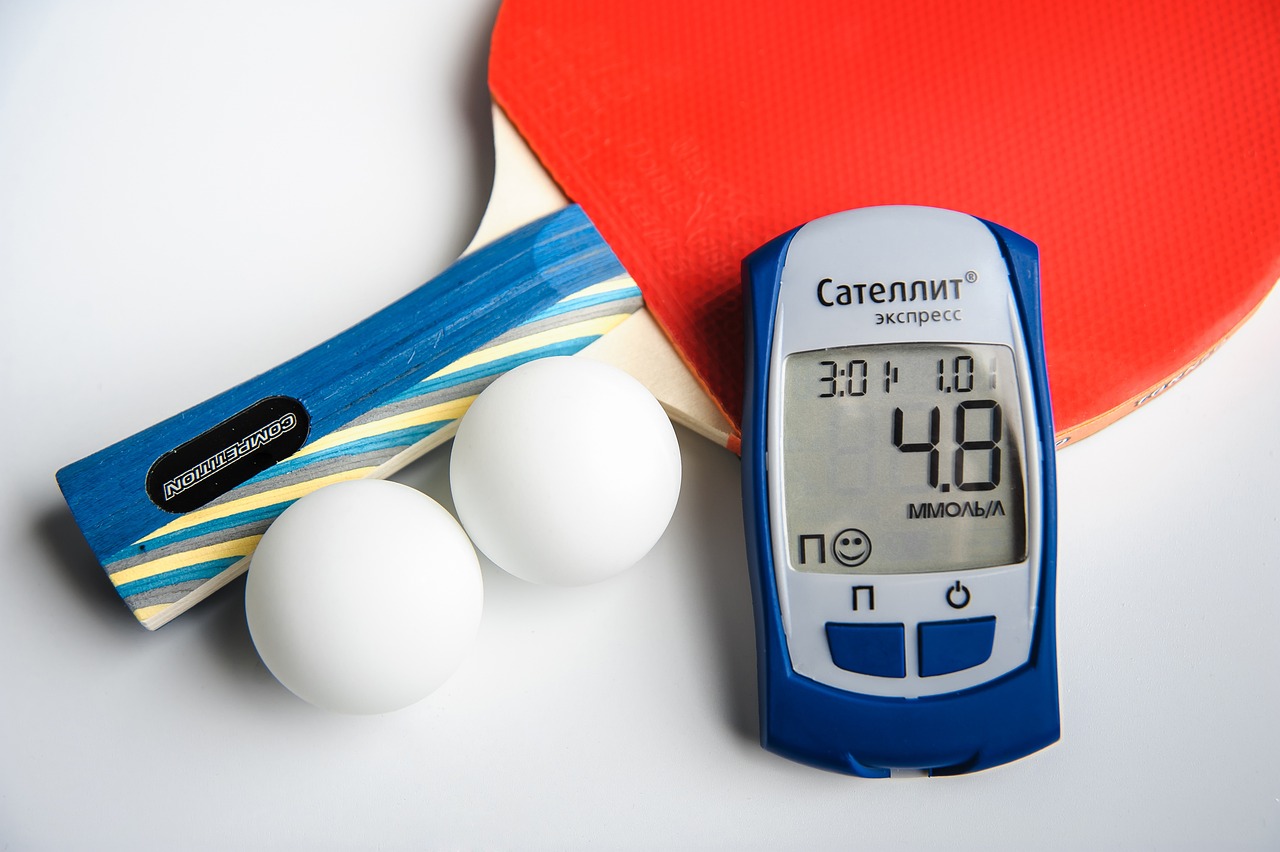
A gentle, patient-friendly guide explaining what diabetes is, how high blood sugar affects the body, and how to manage it with clarity, compassion, and confidence.
Read DISCLAIMER
Contents
- 0.0.0.0.0.1 Read DISCLAIMER
- 0.0.0.0.0.2 The material presented here is for general informational and educational purposes only and is not medical advice. Although we attempt to provide current and accurate information, this blog should not be used as a replacement for professional medical consultation, diagnosis, or treatment. In all cases, consult your physician or an accredited medical practitioner with regards to any medical condition or treatment. Do not ignore professional medical advice or wait for it on the basis of information provided by this blog. In a medical emergency, call emergency services immediately.
- 1 Understanding the Emotional Landscape of Diabetes: Why Knowing What It Truly Means Matters
- 1.1 The Quiet Weight of a Diagnosis and Why the Word “Diabetes” Feels So Overwhelming
- 1.2 Why “High Blood Sugar” Is Not Just a Number but a Communication from Your Body
- 1.3 The Essence of Diabetes: A Simple and Compassionate Explanation of What It Really Is
- 1.4 Why Knowing the Types of Diabetes Helps Remove Confusion and Build Confidence
- 1.5 How Diabetes Develops Slowly Over Time: A Gentle Look at the Journey from Normal Blood Sugar to Chronic High Blood Sugar
- 1.6 Why Understanding Is the First Step Toward Healing and Not a Burden
- 2 The Science of Blood Sugar Explained Gently: How Your Body Uses, Controls, and Balances Glucose
- 2.1 Understanding Glucose: The Body’s Most Gentle and Essential Source of Energy
- 2.2 The Role of Insulin: The Hormone That Opens the Body’s Doors to Energy
- 2.3 The Pancreas: The Quiet Organ That Works Tirelessly Behind the Scenes
- 2.4 How Insulin Resistance Develops: A Slow and Silent Shift in the Body’s Internal Communication
- 2.5 The Role of the Liver in Blood Sugar Control: Your Body’s Internal Storage and Release System
- 2.6 Why Blood Sugar Rises: A Compassionate Breakdown of the Factors Behind High Glucose Levels
- 3 Recognizing the Signs: How Diabetes Speaks Through the Body
- 3.1 Understanding Symptoms as Gentle Messages Rather Than Warnings
- 3.2 Increased Thirst: Why the Body Asks for More Water When Sugar Levels Rise
- 3.3 Frequent Urination: The Body’s Attempt to Release the Excess
- 3.4 Unexpected Weight Changes: How the Body Adjusts When Energy Cannot Enter the Cells
- 3.5 Fatigue: When the Body’s Energy Supply Becomes Interrupted
- 3.6 Blurred Vision: How High Blood Sugar Affects the Eyes
- 3.7 Slow Healing of Wounds: When High Blood Sugar Interferes with the Body’s Repair System
- 4 The Emotional and Physical Impact of Diabetes: Understanding the Whole-Person Experience
- 4.1 The Emotional Journey: How Diabetes Touches the Mind as Much as the Body
- 4.2 How Stress Influences Blood Sugar: The Invisible Link Between the Mind and the Body
- 4.3 The Role of Sleep: Why Rest Is a Powerful Regulator of Blood Sugar
- 4.4 How Diabetes Affects Energy, Motivation, and Daily Life
- 4.5 The Psychological Impact of Chronic Conditions: Why Diabetes Requires Emotional Strength
- 4.6 Building Emotional Resilience: How Understanding Brings Inner Strength
- 5 Managing Diabetes with Compassion: How to Support Your Body Through Daily Choices
- 5.1 Understanding Diabetes Management as a Gentle Partnership with Your Body
- 5.2 The Role of Food: Understanding Nourishment, Not Restriction
- 5.3 Medication as Support, Not Failure: Understanding the Role of Modern Treatments
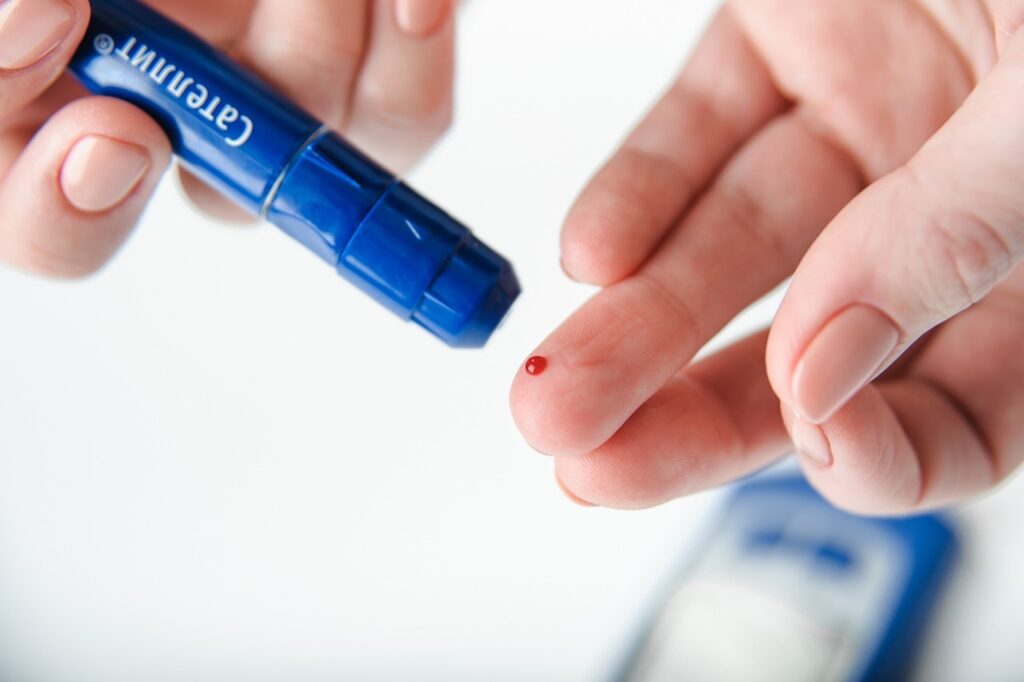
- 5.4 Monitoring Blood Sugar: A Gentle Way of Learning Your Body’s Patterns
- 5.5 The Power of Routine: How Daily Rhythms Create Stability for the Body
- 6 Living Fully with Diabetes: Hope, Strength, and Long-Term Well-Being
- 6.1 Redefining Life with Diabetes: A Journey of Awareness, Not Limitation
- 6.2 The Importance of Support Systems: Why No One Should Walk This Path Alone
- 6.3 Long-Term Complications: Understanding Them Calmly Without Fear
- 6.4 Emotional Healing: Learning to Forgive Yourself and Build Inner Peace
- 6.5 Creating a Future of Confidence: How Knowledge and Consistency Build Hope
- 6.6 FINAL REFLECTIVE CONCLUSION — A Gentle Ending to a Journey of Understanding
- 6.7 FAQs With Answers
The material presented here is for general informational and educational purposes only and is not medical advice. Although we attempt to provide current and accurate information, this blog should not be used as a replacement for professional medical consultation, diagnosis, or treatment. In all cases, consult your physician or an accredited medical practitioner with regards to any medical condition or treatment. Do not ignore professional medical advice or wait for it on the basis of information provided by this blog. In a medical emergency, call emergency services immediately.
Understanding the Emotional Landscape of Diabetes: Why Knowing What It Truly Means Matters
The Quiet Weight of a Diagnosis and Why the Word “Diabetes” Feels So Overwhelming
Diabetes is one of those health words that often carries a quiet heaviness, not because it is instantly life-threatening in every case, but because it subtly touches so many corners of a person’s life, their daily routines, their food choices, their emotional balance, and even their sense of control over their own body. When people first hear the word “diabetes,” their mind often fills with questions about what it means for their present and their future, and this emotional reaction is completely natural because the human mind tries to protect itself by seeking clarity when faced with uncertainty. The moment this word enters someone’s life, it can stir a blend of confusion, fear, curiosity, and even disbelief, and these emotions can coexist in ways that make it difficult to think clearly about the condition itself. Many individuals feel that diabetes somehow represents a personal failure, even though the reality is that diabetes is a medical condition influenced by many factors such as genetics, hormones, stress responses, and lifestyle demands that are often beyond one’s control. The emotional burden can feel heavier than the physical symptoms because people worry about long-term health, future complications, and the possibility of depending on medicines or lifestyle adjustments for years to come. But it is important to slow down and breathe and remind oneself that understanding diabetes step by step can replace fear with knowledge, confusion with clarity, and helplessness with empowerment. As we begin this guide together, the intention is to help you understand diabetes in a gentle, patient-friendly way that respects your emotions, honors your concerns, and gives you the confidence to manage your health with calmness rather than panic. And through this slow exploration, you may discover that diabetes is not a sentence or a punishment, but a reminder to build a kinder relationship with your body, to listen more carefully to its signals, and to take small but meaningful steps toward balance and healing.
Why “High Blood Sugar” Is Not Just a Number but a Communication from Your Body
When people hear that they have high blood sugar, they often imagine a single number flashing on a medical report, but the meaning behind that number goes much deeper than simple mathematics because it reflects how your body is managing energy, nourishment, and internal balance. Blood sugar, or glucose, is the fuel that your cells rely on to keep your body working smoothly, and when its level rises beyond what the body can handle comfortably, it is not just a biochemical issue, but a message that something in the delicate coordination between food, insulin, and cellular absorption needs attention. The body is constantly communicating through signs, signals, and subtle shifts, and high blood sugar is one such attempt to express that the usual harmony has been disturbed. Understanding this takes patience, because the concept can feel technical, yet if we think of glucose as the body’s version of electricity powering countless tiny engines inside us, it becomes easier to imagine how important it is that the power supply stays balanced and stable. When glucose levels rise too high, it is as if the power grid is overloaded, not shutting down immediately, but operating under strain that slowly affects different systems such as the nerves, kidneys, eyes, heart, and immune responses. Instead of seeing high blood sugar as merely a lab value, it can help to view it as a gentle knock on the door from your body requesting support, attention, and sometimes a shift in the way you nourish yourself. Accepting this perspective builds emotional understanding, which is just as important as medical knowledge, because when you approach your health from a place of compassion rather than fear, your ability to make sustainable changes becomes stronger and less overwhelming.
The Essence of Diabetes: A Simple and Compassionate Explanation of What It Really Is
Diabetes, at its core, is a condition where the body struggles to manage blood sugar effectively, either because insulin is not produced in sufficient amounts or because the body cannot use the insulin it produces properly, and this difficulty slowly leads to glucose building up in the bloodstream instead of entering the cells where it is needed. Insulin is a hormone made by the pancreas, and although many people hear this fact repeatedly, it often helps to pause and imagine insulin as a key that unlocks the doors of your cells, allowing glucose to flow in and provide the energy that keeps your organs functioning. When the key is missing, damaged, or the lock becomes difficult to open, the glucose remains outside the cells, leaving them undernourished while allowing sugar levels in the blood to rise. Diabetes is not a sudden disruption but a gradual shift that takes place in the body’s functioning, sometimes visible through symptoms and sometimes quietly progressing for years without any noticeable signs. Understanding this mechanism can feel empowering because it transforms diabetes from a mysterious and frightening condition into something more logical and manageable. It becomes clear that the goal of treatment is not to punish the body but to help it return to its natural rhythm, supporting the pancreas, improving insulin sensitivity, and maintaining glucose levels in a healthy range. This compassionate understanding reminds us that diabetes is not the body failing, but the body asking for help in a very specific way, and when approached with patience, care, and knowledge, it becomes possible to navigate this condition with far less fear and far more confidence.
Why Knowing the Types of Diabetes Helps Remove Confusion and Build Confidence
The term “diabetes” is used broadly, yet it actually includes different forms of the condition, each with its own characteristics and causes, and when people learn this, they often feel a sense of relief because it helps them understand that their experience is not the same as everyone else’s. Type 1 diabetes occurs when the pancreas stops producing insulin altogether, often due to an autoimmune process, while Type 2 diabetes develops when the body still produces insulin but struggles to use it effectively, creating a state known as insulin resistance. There is also gestational diabetes, which appears during pregnancy when hormonal changes make it difficult for insulin to work efficiently, and although it often resolves after childbirth, it still carries long-term implications. Knowing these distinctions allows individuals to understand their own condition more specifically, rather than feeling lost in a wide medical definition that seems too general to be meaningful. When people realize that diabetes comes in different forms, they also begin to understand why two individuals with the same condition may have very different treatment plans, dietary needs, or self-care routines, and this reduces feelings of confusion and comparison. Learning about the types of diabetes brings clarity, and clarity reduces fear, helping patients participate more confidently in their own health journey. This knowledge becomes the first step in building a partnership between themselves and their healthcare provider, a partnership based on understanding rather than uncertainty, and this emotional shift can make a remarkable difference in how empowered a person feels about managing their condition.
How Diabetes Develops Slowly Over Time: A Gentle Look at the Journey from Normal Blood Sugar to Chronic High Blood Sugar
Diabetes rarely develops overnight; it is usually the result of a slow and subtle shift in the way the body processes glucose, often beginning with a state known as prediabetes, in which blood sugar is higher than normal but not yet high enough to be classified as diabetes. This phase can last for years, quietly progressing in the background while the individual may have no symptoms at all, and this is one of the reasons diabetes can feel surprising or sudden when it is finally diagnosed. During this gradual progression, the pancreas works harder and harder to compensate for insulin resistance, producing more insulin in an attempt to keep glucose levels stable, much like a machine running on overtime to maintain performance. Over time, this constant strain can exhaust the pancreas, reducing its ability to keep up with the body’s demands, and this marks the transition into diabetes when glucose finally rises beyond the healthy range more consistently. Understanding this slow and silent journey helps bring emotional clarity because it reassures people that diabetes is not something they caused overnight, nor is it a result of a single choice, but rather a combination of genetics, lifestyle patterns, stress influences, metabolic tendencies, and hormonal factors. Recognizing the gradual nature of diabetes development also encourages early action, reminding people that changes made during the prediabetic stage can prevent or delay the onset of diabetes, and even after diagnosis, meaningful improvements in lifestyle, nutrition, and self-awareness can significantly restore balance. This compassionate understanding replaces blame with empowerment and makes room for a healthier, more hopeful approach to managing the condition.
Why Understanding Is the First Step Toward Healing and Not a Burden
Many people feel overwhelmed by the amount of information they must learn after being diagnosed with diabetes, and this sense of information overload can make them fear that they need to understand everything instantly. However, the truth is that learning about diabetes is a gradual journey where each piece of understanding strengthens the next, allowing individuals to build knowledge step by step rather than all at once. Understanding becomes a form of self-care, because the more clearly someone grasps what is happening inside their body, the less frightening the condition feels and the more confident they become in making daily decisions that support their health. Knowledge takes away the mystery that often fuels anxiety and uncertainty, replacing it with clarity that leads to empowerment. When people approach diabetes with curiosity rather than fear, they discover that they do not need perfection, but progress, patience, and a willingness to listen to their body. This gentle shift in mindset allows the healing process to begin emotionally, even before physical improvements become visible. Understanding is not a burden; it is a tool that helps a person reclaim a sense of control, dignity, and hope, especially when dealing with a chronic condition that influences many aspects of life. And this understanding is the foundation upon which the rest of this guide will build, allowing you to move through each part with a sense of calm and emotional grounding.
The Science of Blood Sugar Explained Gently: How Your Body Uses, Controls, and Balances Glucose
Understanding Glucose: The Body’s Most Gentle and Essential Source of Energy
Glucose is often described in medical terms as simply “blood sugar,” but its role in the body is much more meaningful than this brief definition suggests, because glucose is the primary form of energy that fuels almost every cell, every organ, and every function that keeps you alive. When we think of glucose, it helps to imagine it as the warm, steady flame that keeps the internal furnace of your body burning, providing the power your muscles need to move, your brain needs to think, your heart needs to beat, and your immune system needs to protect you. This gentle stream of energy enters your body through the food you eat, especially foods rich in carbohydrates, which are broken down during digestion into smaller units that become glucose ready for absorption into the bloodstream. Once in the bloodstream, glucose circulates like a delivery truck carrying energy to every corner of your body, waiting for the signal that allows it to enter the cells. This entire system works beautifully when the balance is right, but it becomes strained when the glucose supply becomes too high or too low, or when the mechanism that allows glucose to enter the cells becomes disrupted. Understanding this process slowly brings a deep appreciation for the elegance of the human body, which constantly maintains this balance without you even noticing. And when this balance falters, as in diabetes, it is not because the body has failed, but because it is struggling to maintain harmony in a world where diet, stress, routines, sleep cycles, and metabolic patterns may not always align with its natural needs. Learning about glucose may seem simple at first, but it is actually the emotional foundation for understanding diabetes, because it helps you see the condition not as a threat but as a shift in the body’s relationship with its most fundamental source of fuel.
The Role of Insulin: The Hormone That Opens the Body’s Doors to Energy
Insulin is often described as a hormone that lowers blood sugar, but this explanation barely scratches the surface of how important and beautiful its role truly is in the body’s inner workings. A more helpful way to imagine insulin is as a key that unlocks the doors of your body’s cells, allowing glucose to enter and nourish them. Without this key, glucose remains stuck in the bloodstream, unable to fulfill its purpose, much like packages left outside a house without anyone to bring them inside. Insulin is produced by the pancreas, a small organ located behind the stomach, and it releases insulin in response to rising blood sugar after a meal. This delicate dance between food, digestion, insulin release, and glucose absorption happens multiple times every day without conscious effort, and this system is so finely tuned that even small disturbances in insulin production or usage can create significant shifts in blood sugar levels. When the body loses its ability to produce insulin, as in Type 1 diabetes, the key is missing entirely, leaving glucose unable to enter the cells. When the body becomes resistant to insulin, as in Type 2 diabetes, the key is present but the locks have become difficult to open, requiring more and more insulin to achieve the same effect. In both situations, the imbalance leads to glucose building up in the bloodstream, slowly creating the symptoms and complications associated with diabetes. Understanding insulin as this gentle but essential key helps remove fear and confusion, making the condition feel less like a mysterious threat and more like a situation that can be understood, managed, and supported with proper care. It reminds us that diabetes is, at its heart, a story of doors that need assistance opening, and with the right approach, the body can often find its rhythm again.
The Pancreas: The Quiet Organ That Works Tirelessly Behind the Scenes
The pancreas is an organ that many people rarely think about until they receive a diagnosis related to it, yet this quiet, unassuming organ performs tasks that influence nearly every aspect of metabolic balance. Located deep within the abdomen, the pancreas produces digestive enzymes that help break down food, but it also contains clusters of cells known as the islets of Langerhans, where insulin is made. These insulin-producing cells, called beta cells, are incredibly sensitive and responsive, adjusting insulin levels based on the amount of glucose entering the bloodstream. When everything is functioning well, the pancreas responds almost instantly to rising blood sugar, releasing the exact amount of insulin needed to maintain balance. But when the pancreas becomes strained, weakened, or attacked by the immune system, this elegant response begins to falter. In Type 1 diabetes, the immune system mistakenly destroys the beta cells, leaving the pancreas unable to produce insulin at all. In Type 2 diabetes, the pancreas continues producing insulin for a long time, sometimes even excessively, but eventually becomes exhausted because the body has become resistant to insulin’s effects. Understanding the pancreas in this compassionate way helps patients see diabetes not as a personal failure but as a reflection of how hard this small organ has been working, sometimes for years, trying to maintain balance. When the pancreas begins to struggle, it is not a sign of weakness but a sign that it needs support, patience, and adjustments that can help relieve the burden placed upon it. This emotional perspective allows individuals to approach diabetes management with kindness toward themselves rather than frustration, realizing that their body has been trying its best long before symptoms ever appeared.
How Insulin Resistance Develops: A Slow and Silent Shift in the Body’s Internal Communication
Insulin resistance is often described in medical terms as a state in which the body’s cells become less responsive to insulin, but to truly understand it, it helps to imagine insulin knocking on the doors of the cells and finding that the locks have gradually become stiff, requiring more force and more attempts to open. This resistance does not appear suddenly; it develops slowly over time, influenced by genetics, inactivity, stress, hormonal changes, certain medications, and patterns of oversupply of glucose that gradually overwhelm the body’s natural systems. When cells begin resisting insulin, the pancreas compensates by releasing even more insulin, trying harder and harder to achieve the same effect. For a while, this increased production keeps blood sugar levels relatively normal, which is why insulin resistance often goes unnoticed for years. Eventually, however, the pancreas cannot keep up with the increasing demand, and this is when blood sugar starts rising consistently, marking the transition into diabetes. Understanding insulin resistance in this slow, compassionate way helps people see that it is not caused by a single mistake or one moment of unhealthy living, but by a combination of factors that build quietly over time. This perspective reduces feelings of guilt and self-blame, replacing them with clarity and empowerment. When people understand that insulin resistance is a communication issue between insulin and the cells, they begin to see how lifestyle changes such as movement, mindful eating, stress reduction, and improved sleep strengthen that communication again. It becomes less about punishment and more about restoring harmony, making diabetes management feel hopeful and achievable.
The Role of the Liver in Blood Sugar Control: Your Body’s Internal Storage and Release System
While most people associate blood sugar changes with food intake, the liver plays an equally important role in maintaining stable glucose levels throughout the day. The liver acts like a storage warehouse for glucose, converting excess sugar into a backup form called glycogen and releasing it later when the body needs energy, such as between meals or during sleep. This system ensures that your body never runs out of fuel, even when you are not eating. However, in diabetes and insulin resistance, the liver often becomes confused by the disrupted signals, and it may release glucose even when blood sugar levels are already high. This creates an additional layer of imbalance that contributes to elevated blood sugar, especially in the early morning hours, a phenomenon many people experience without understanding why it happens. When insulin resistance affects the liver, it becomes less responsive to insulin’s instructions to slow down glucose release, leading to a continuous flow of sugar into the bloodstream even when the body does not need it. Understanding the role of the liver gently helps patients realize that managing diabetes is not just about what they eat, but also about how their internal systems communicate with each other. This knowledge encourages a kinder approach to self-care, acknowledging that the body is not misbehaving but simply trying to protect itself in ways that become unhelpful over time. When individuals grasp this internal dynamic, they begin to feel less overwhelmed and more equipped to work with their body rather than against it.
Why Blood Sugar Rises: A Compassionate Breakdown of the Factors Behind High Glucose Levels
Blood sugar levels rise for many reasons, and understanding these reasons slowly and gently helps remove the fear often associated with a high reading on a glucose monitor. One of the most common causes is food intake, especially meals rich in carbohydrates, which break down into glucose. However, many people do not realize that blood sugar can also rise due to stress, illness, hormonal changes, insufficient sleep, or even long gaps between meals. When the body feels threatened or overwhelmed, it releases stress hormones such as cortisol and adrenaline, which cause the liver to release extra glucose into the bloodstream as a protective mechanism. This is helpful during true emergencies but becomes problematic when stress is chronic and unrelenting. Similarly, certain medical conditions and medications can influence blood sugar levels, adding complexity to the diabetic experience. Understanding these factors helps people see that a high reading is not a sign of failure, but a reflection of the body responding to multiple influences—some of which are beyond their immediate control. This compassionate awareness encourages individuals to respond to high readings with curiosity rather than frustration, using them as information rather than judgment. When people view glucose levels through this gentle lens, diabetes management becomes a process of learning, adjusting, and understanding their body’s signals rather than a rigid struggle filled with pressure.
Recognizing the Signs: How Diabetes Speaks Through the Body
Understanding Symptoms as Gentle Messages Rather Than Warnings
Diabetes often reveals itself through a series of subtle signs that many people overlook at first, not because they are careless, but because these symptoms arrive quietly and blend into daily life in ways that make them easy to dismiss. When blood sugar begins to rise consistently, the body tries to communicate that something is out of balance, and these early signals should not be seen as threats, but as gentle messages asking for attention and understanding. Instead of imagining symptoms as punishments, it is much more compassionate to view them as the body’s soft voice, continuously trying to help you recognize what it needs. The human body has an extraordinary ability to adapt, and because of this adaptability, symptoms of high blood sugar often progress slowly rather than suddenly, giving a person time to notice, reflect, and respond. Yet most individuals are so busy navigating daily responsibilities, emotional pressures, and constant distractions that they do not immediately interpret these signs as meaningful. When we slow down and learn to understand these signals with patience and curiosity, the entire experience of living with diabetes becomes less frightening, because we start to see that the body is not failing but communicating. Recognizing symptoms early allows people to take steps toward balance before the condition progresses further, and this awareness creates a sense of partnership between the body and the mind. The goal here is not to induce fear but to bring clarity, so that every sensation, every shift, and every change becomes an opportunity to restore harmony rather than a source of anxiety.
Increased Thirst: Why the Body Asks for More Water When Sugar Levels Rise
One of the most common early signs of diabetes is increased thirst, a sensation that feels deeper and more persistent than ordinary thirst, as if the body is sending repeated requests for replenishment. This happens because when blood sugar rises, the kidneys try to restore balance by filtering out the excess glucose, and in doing so, they draw more water from the body, leading to an increased need to drink. This process can leave a person feeling dehydrated even when they have consumed plenty of fluids, creating a cycle of thirst that seems unquenchable. Understanding this symptom can help individuals see that the body is not trying to inconvenience them, but rather attempting to protect itself from the harmful effects of high blood sugar. Increased thirst is a sign that the body is working hard to flush out excess glucose, and when viewed from this perspective, it becomes less alarming and more understandable. Many people ignore this sign because thirst is such a common experience, but when the thirst grows noticeably more intense or frequent, it is often the body’s way of asking for help in managing rising glucose levels. Recognizing this pattern encourages people to pay attention to subtle shifts in their hydration needs, and this awareness can lead to earlier detection of diabetes. In this way, increased thirst becomes not just a symptom but a compassionate signal from the body, gently guiding individuals toward the care they need.
Frequent Urination: The Body’s Attempt to Release the Excess
As increased thirst grows, frequent urination typically follows, forming another vital signal that the body is working overtime to remove excess glucose from the bloodstream. When the kidneys cannot filter all the sugar effectively, the extra glucose spills into the urine, pulling water along with it, and this leads to more frequent trips to the restroom. People often notice that they wake up multiple times at night, or that their daily routine becomes interrupted by a constant urge to urinate, creating a sense of frustration or concern. Yet when this symptom is understood in a gentle and compassionate way, it becomes clearer that the body is not malfunctioning but trying to protect itself. Frequent urination is the body’s way of preventing glucose levels from rising even higher, acting as a natural safeguard against further imbalance. It may feel inconvenient, exhausting, or even embarrassing at times, but it is also a sign that the body is still fighting to maintain equilibrium. When individuals learn to recognize this symptom as part of the body’s internal communication system, they gain a deeper sense of respect for the complexity of their physiology. This awareness helps them feel more in control, because they can connect the dots between rising blood sugar and the body’s response, turning confusion into clarity and concern into meaningful action.
Unexpected Weight Changes: How the Body Adjusts When Energy Cannot Enter the Cells
Unexpected weight loss or weight gain can also be early signs of diabetes, and these changes often confuse people because they do not always align with their eating habits or physical activity levels. When cells cannot access glucose due to insufficient insulin or insulin resistance, the body begins searching for alternative sources of energy, breaking down fat and muscle to compensate. This process can lead to unintentional weight loss, even when a person is eating normally or sometimes even more than usual. On the other hand, some individuals experience weight gain because insulin resistance disrupts the body’s ability to use and store energy efficiently, leading to increased hunger, fatigue, and metabolic imbalance. Both forms of weight change reflect the same underlying message: the body is struggling to receive and properly use the fuel it needs. These shifts can be emotionally challenging because weight is often tied to self-image, confidence, and personal identity, and sudden changes can leave individuals feeling confused or discouraged. But when people understand the science behind these weight changes with compassion and patience, they begin to see the body not as unpredictable or faulty but as a system striving to adapt to the challenges it faces. This perspective allows individuals to respond with understanding rather than judgment, helping them approach diabetes management with a gentler and more accepting mindset.
Fatigue: When the Body’s Energy Supply Becomes Interrupted
Fatigue is one of the most universal symptoms of diabetes, and while almost everyone has experienced tiredness at some point, the fatigue associated with high blood sugar is different in its depth, persistence, and emotional impact. This type of fatigue often feels heavy, draining, and unrelenting, as if the body is struggling to access the energy it needs despite having plenty of glucose circulating in the bloodstream. When glucose cannot enter the cells, the body becomes underpowered, similar to how an engine sputters when fuel cannot reach the combustion chamber. This lack of accessible energy affects not only physical stamina but also emotional resilience, concentration, and motivation, making everyday tasks feel harder than usual. People often interpret this fatigue as laziness or lack of willpower, which only adds emotional weight to an already challenging experience. But understanding that diabetes-related fatigue stems from a physiological imbalance rather than a personal weakness helps individuals release self-blame and approach their symptoms with greater compassion. When fatigue is recognized as the body’s way of expressing energy deprivation, it becomes easier to respond with rest, nourishment, and medical attention, rather than guilt or frustration.
Blurred Vision: How High Blood Sugar Affects the Eyes
Another common symptom that often surprises people is blurred vision, which occurs when high blood sugar causes fluid shifts that temporarily affect the shape and flexibility of the eye’s lens. This change in the lens alters the way light enters the eye, leading to blurred or distorted vision that may come and go depending on glucose levels. Many individuals first notice this symptom when their prescription glasses suddenly feel ineffective or when reading small text becomes unexpectedly difficult. This experience can be frightening because sight is deeply connected to independence, confidence, and daily functioning. However, understanding the reason behind blurred vision helps reduce fear and provides reassurance that the body is responding to fluctuating glucose levels rather than experiencing permanent damage at that stage. When blood sugar stabilizes, the vision often returns to normal, showing how adaptable and responsive the eyes can be. Recognizing blurred vision as a sign of high blood sugar helps individuals monitor their condition more effectively and encourages them to seek support before complications arise. This understanding turns fear into awareness and confusion into clarity.
Slow Healing of Wounds: When High Blood Sugar Interferes with the Body’s Repair System
One of the more subtle yet significant signs of diabetes is slow healing of cuts, bruises, or wounds. High blood sugar affects the body’s ability to repair itself by reducing circulation, weakening immune responses, and limiting the delivery of essential nutrients to injured tissues. When this happens, even small wounds may take longer to heal, scabs may persist, and infections may occur more easily. This symptom can be emotionally distressing because it challenges the body’s natural ability to recover, leading individuals to worry about their health, appearance, or future complications. But understanding the science behind slow wound healing removes much of the fear, revealing that the body is not losing its ability to repair, but simply struggling to work under the strain of elevated glucose levels. When blood sugar is managed effectively, circulation improves, immune function strengthens, and the healing process becomes more efficient again. Learning this helps individuals see slow wound healing as a temporary signal rather than a permanent condition, offering hope and reassurance that improvement is possible with proper care.

The Emotional and Physical Impact of Diabetes: Understanding the Whole-Person Experience
The Emotional Journey: How Diabetes Touches the Mind as Much as the Body
Diabetes is often spoken about as a physical condition that revolves around blood sugar levels, insulin, and organs such as the pancreas, but many people do not realize that the emotional effect of diabetes can be just as powerful as the biological changes happening inside the body. When someone receives a diagnosis of diabetes, it often stirs a mixture of confusion, fear, disappointment, and uncertainty, because the mind tries to make sense of what this condition will mean for the rest of their life. For many individuals, this moment marks the beginning of a long journey of adaptation, where they must learn to balance their emotions with the reality of managing a chronic condition. The emotional weight of diabetes can feel heavy, not because the person is weak, but because the mind instinctively reacts to any health news that demands ongoing attention and care. People may worry about what food they can eat, how their body will respond to daily routines, whether complications may arise in the future, and how they will cope with the responsibility of monitoring their health each day. These thoughts, when left unexpressed or unsupported, can create a sense of isolation, even when surrounded by people who care deeply. The emotional journey of diabetes is not linear; it shifts and evolves over time, sometimes feeling manageable and other times overwhelming. But understanding that these emotions are natural, valid, and expected brings tremendous relief, because it allows individuals to see that they are not alone, not dramatic, and not overreacting. They are simply human, responding to a life change that deserves compassion, patience, and understanding. When people begin to appreciate the emotional dimension of diabetes, they also begin to heal from within, because acknowledging feelings is always the first step toward finding balance and strength.
How Stress Influences Blood Sugar: The Invisible Link Between the Mind and the Body
Stress is an unavoidable part of life, and while most people recognize its emotional effects, fewer understand that stress also has a direct and powerful impact on blood sugar levels. When the mind perceives stress, whether from work, relationships, uncertainty, or daily pressures, the body releases hormones like cortisol and adrenaline, which increase glucose levels in the bloodstream to provide extra energy for dealing with challenges. This response is natural and protective in short bursts, but when stress becomes chronic, the continual rise in blood sugar creates a cycle that becomes difficult to break. For individuals with diabetes, this stress response can make blood sugar control more complicated, leading to unexpected highs even when they are eating carefully and following medical advice. Many people feel frustrated when this happens because they believe they are doing everything right yet still face unpredictable changes. But when they learn that stress has a biological effect on glucose, they begin to understand that these fluctuations are not their fault but a reflection of the deep connection between emotional and physical health. This awareness encourages a more compassionate approach to diabetes management, one that includes mindfulness, rest, emotional support, and gentle self-care. Understanding how stress influences blood sugar helps individuals recognize the importance of creating calm moments in their day, even if only for a few minutes, to allow the body to return to a state of balance. This knowledge empowers them to care for their emotional well-being as an essential part of their diabetes journey rather than an optional benefit.
The Role of Sleep: Why Rest Is a Powerful Regulator of Blood Sugar
Sleep is one of the most overlooked yet profoundly important factors in blood sugar regulation, because the body relies on restorative rest to repair tissues, balance hormones, and stabilize metabolic processes. When sleep becomes irregular, insufficient, or disturbed, the body enters a state of internal stress, which can raise cortisol levels and interfere with insulin sensitivity. Many individuals notice that their blood sugar readings fluctuate more on days after poor sleep, even if they follow the same diet or medication routine. This can create confusion or discouragement, especially when they are trying their best to manage their health. But understanding the connection between sleep and diabetes helps them see that rest is not just a luxury but a necessary part of their healing process. When the body sleeps well, the mind becomes calmer, the nervous system relaxes, and glucose regulation improves naturally, making diabetes management feel more predictable and stable. Sleep also helps reduce cravings, support weight management, and regulate appetite hormones, all of which contribute to long-term glucose control. This knowledge encourages individuals to treat sleep as a form of medicine, something they can nurture through routines, calming environments, and intentional rest. Recognizing sleep as a biological necessity rather than a passive activity empowers people to build habits that support their health, and this shift in perspective often brings a sense of control and clarity that strengthens their entire diabetes journey.
How Diabetes Affects Energy, Motivation, and Daily Life
Living with diabetes can influence many aspects of daily life, including energy levels, motivation, and the overall rhythm of each day. When blood sugar swings too high or too low, the body struggles to maintain steady energy, leading individuals to feel tired, irritable, unfocused, or emotionally drained. These moments can be misunderstood as laziness or lack of discipline, which can create unnecessary guilt or shame. But in reality, these fluctuations reflect the body’s attempt to find stability in a system that has become imbalanced. When individuals understand that changes in their energy or motivation are connected to the biological effects of diabetes, they stop viewing themselves as the problem and instead recognize that they are experiencing understandable consequences of a medical condition. This shift in perspective encourages self-compassion and reduces the emotional burden of self-criticism. Daily life with diabetes also requires decision-making about food, exercise, medication, and routines, and this ongoing responsibility can feel tiring at times. But when people learn to give themselves grace, recognizing that they do not need to be perfect but simply consistent and aware, they begin to develop a healthier relationship with their condition. Over time, diabetes becomes not an obstacle but a reminder to move slowly, listen carefully to the body, and prioritize self-care in ways that nourish both mind and body.
The Psychological Impact of Chronic Conditions: Why Diabetes Requires Emotional Strength
Living with any chronic condition demands emotional resilience, but diabetes requires a unique form of strength because it involves daily choices, continuous monitoring, and a long-term commitment to well-being. People often underestimate the mental effort required to manage a condition that demands attention throughout the day, from checking blood sugar levels to planning meals, managing stress, taking medication, and noticing physical cues. This constant awareness can become mentally exhausting, leading to emotional fatigue or even burnout. It is important to acknowledge that this psychological weight is real and valid, because when individuals feel pressured to be strong at all times, they often suppress their feelings and become overwhelmed. Recognizing the emotional demands of diabetes encourages a more compassionate approach, one that values rest, support, and understanding rather than unrealistic expectations of perfection. Psychological well-being is a core part of diabetes management, and acknowledging this truth allows individuals to move forward with honesty and self-respect. They learn that strength is not about never feeling tired or discouraged, but about continuing to care for themselves even on difficult days, choosing gentleness over judgment, and reaching out for support when needed.
Building Emotional Resilience: How Understanding Brings Inner Strength
Emotional resilience does not mean ignoring challenges or pretending that diabetes does not affect one’s life. Instead, it means developing the ability to meet those challenges with understanding, patience, and grace. When individuals truly understand how diabetes works, why symptoms occur, and how lifestyle factors influence their condition, they begin to feel more in control and less intimidated by the unknown. Knowledge becomes a source of strength, reassurance, and comfort, allowing them to navigate their condition with greater confidence. Emotional resilience grows when people realize they do not need to face everything alone, and that reaching out for support — whether from family, healthcare providers, or support groups — is an act of strength, not weakness. This resilience also deepens when they celebrate small victories, such as improved glucose readings, consistent sleep, or a calmer emotional state, recognizing that progress is made through many small steps rather than dramatic changes. Developing emotional resilience transforms diabetes from a burden into a journey of self-awareness, where individuals learn to listen to their body, respect their limits, and honor their needs. This shift in perspective not only helps them manage diabetes more effectively but also enhances their overall relationship with themselves, fostering a sense of compassion that becomes the foundation for long-term well-being.

Managing Diabetes with Compassion: How to Support Your Body Through Daily Choices
Understanding Diabetes Management as a Gentle Partnership with Your Body
Managing diabetes is often presented as a strict routine filled with rules, restrictions, and warnings, but a much more empowering and emotionally healthy way to view it is as a gentle partnership between you and your body. Instead of imagining diabetes care as a burden or a punishment, it helps to think of it as an ongoing conversation where your body shares signals, sensations, and changes, and you respond with awareness, patience, and mindful adjustments. When people take this compassionate approach, diabetes management becomes less about perfection and more about understanding, curiosity, and continuous learning. Every meal you eat, every moment of rest, every step you take, and every emotional experience becomes part of this partnership, guiding your choices in ways that support balance and stability. This mindset reduces guilt, which many individuals silently carry when they feel they are not doing enough, and replaces it with self-acceptance and a belief that progress happens slowly, consistently, and lovingly. Diabetes does not ask for flawless discipline; it asks for presence, consistency, and a willingness to listen to your body without judgment. When people embrace this perspective, they find that managing diabetes becomes less frightening and more empowering, as they discover their own strength and ability to influence their well-being through gentle, compassionate choices.
The Role of Food: Understanding Nourishment, Not Restriction
Food is one of the most emotionally charged aspects of diabetes management because eating is not just a biological necessity but a source of comfort, culture, pleasure, memories, and connection. When someone learns they have diabetes, they often fear that they must give up all the foods they love or follow rigid diets that feel punishing or isolating. But a healthier and more compassionate understanding is that food becomes a tool for nourishment, balance, and healing rather than a source of stress or deprivation. Carbohydrates, the nutrients most associated with blood sugar rise, are not the enemy; they are simply a form of energy that the body processes differently when diabetes is present. When people learn how different foods affect their blood sugar, how combinations of nutrients slow absorption, and how mindful eating supports metabolic balance, they gain the power to choose meals that nourish both body and mind. This creates a sense of freedom rather than restriction because individuals realize that they are not eliminating joy from their diet but learning to appreciate food through a more mindful and informed lens. Understanding portion sizes, timing, and the balance of carbohydrates with proteins and healthy fats helps stabilize blood sugar while allowing flexibility and enjoyment. This approach transforms eating from an anxious task into a nurturing ritual where every choice becomes an opportunity to care for yourself lovingly, without guilt and without fear. Food then becomes a partner in healing, not an obstacle.
How Physical Activity Supports Blood Sugar Stability with Gentle, Sustainable Movements
Physical activity plays a powerful role in diabetes management, but many people imagine exercise as something intense, exhausting, or difficult, which can discourage them from starting. A more compassionate understanding is that movement does not need to be strenuous to be effective; even gentle, consistent activities like walking, stretching, light yoga, dancing, or household tasks can significantly improve insulin sensitivity and help the body use glucose more efficiently. When you move your body, your muscles become more responsive to insulin, allowing glucose to enter the cells more easily and lowering blood sugar levels in a natural, supportive way. Physical activity also helps reduce stress hormones, improve mood, support healthy sleep, and strengthen the cardiovascular system — all key factors in diabetes management. Many individuals find that once they begin incorporating movement into their daily lives, they feel more energized, motivated, and emotionally balanced, because exercise stimulates endorphins that naturally elevate mood and reduce anxiety. The goal is not to push yourself beyond your limits or strive for perfection, but to find forms of movement that feel enjoyable, sustainable, and nurturing. When you approach physical activity with gentleness rather than pressure, you begin to see it as an act of self-kindness rather than obligation. Over time, this shift allows movement to become a natural part of your life, supporting both your physical and emotional well-being in ways that feel empowering and achievable.
Medication as Support, Not Failure: Understanding the Role of Modern Treatments
Taking medication for diabetes often brings mixed emotions, because some people view it as a sign that they have failed to manage their condition on their own. But in reality, medication is simply a tool — one that supports the body’s efforts to maintain balance when internal systems need help. Whether it is oral medication that improves insulin sensitivity or insulin injections that replace what the pancreas cannot produce, these treatments are designed to work with your body, not against it. Understanding medication as support rather than dependency helps remove the stigma and emotional resistance many individuals feel. Modern diabetes treatments are the result of decades of research and exist to make life easier, safer, and more stable for those living with the condition. When people begin to see medication as an ally rather than a punishment, they experience less anxiety and more confidence in their treatment journey. Medication does not take away your independence or strength; it enhances your ability to live fully and comfortably while managing diabetes with clarity and effectiveness. This compassionate perspective encourages individuals to approach their medication routine with acceptance and trust, recognizing that needing support is not a sign of weakness but a natural part of living with a chronic condition that deserves care.
Monitoring Blood Sugar: A Gentle Way of Learning Your Body’s Patterns
Monitoring blood sugar is often described as a daily requirement for people with diabetes, but it can be reframed as a gentle and informative way of understanding how your body responds to different foods, activities, stress levels, and routines. Instead of viewing glucose checks as a chore or a reminder of illness, it helps to see them as small moments of awareness that teach you how your body communicates. Each reading is not a judgment or a score but simply information — a snapshot of your body’s current state, which guides your next steps with greater clarity. Many individuals find that when they shift their perspective from fear to curiosity, monitoring becomes an empowering practice rather than an emotional burden. It allows them to identify patterns, recognize triggers, and celebrate improvements, making diabetes management feel more predictable and less overwhelming. Blood sugar monitoring also strengthens the partnership between patient and healthcare provider, because the information gathered helps professionals create more personalized and supportive treatment plans. Understanding this process gently reduces anxiety and encourages individuals to engage with their health from a place of knowledge and compassion. The more you learn about your body’s unique patterns, the easier it becomes to respond with confidence and care.
The Power of Routine: How Daily Rhythms Create Stability for the Body
Routine plays a significant role in diabetes management because the body thrives on stability, predictability, and balance. When meals, sleep, movement, and medication follow a consistent pattern, the body’s internal systems function more smoothly, reducing unexpected fluctuations in blood sugar. This does not mean that every day must be identical or rigid, but rather that gentle rhythms help support metabolic harmony. Many people discover that when they create calming routines, they feel more grounded emotionally and physically. Routines reduce the cognitive load of decision-making, making it easier to manage diabetes without feeling mentally exhausted. A consistent schedule also allows the body to anticipate nourishment, rest, and activity, which helps regulate hormones, digestion, and energy levels. Understanding the importance of routine encourages individuals to build habits that support their well-being in sustainable and realistic ways. This might include eating meals at similar times, setting a calming sleep ritual, finding small daily opportunities for movement, or taking medication with consistent cues. These practices create a sense of structure and alignment that makes diabetes management feel less chaotic and more manageable. Over time, routines become acts of self-care that bring peace, strength, and balance to daily life.

Living Fully with Diabetes: Hope, Strength, and Long-Term Well-Being
Redefining Life with Diabetes: A Journey of Awareness, Not Limitation
Living with diabetes does not mean living a restricted, diminished, or fearful life, even though the diagnosis often feels that way in the beginning. Instead, diabetes becomes a journey of heightened awareness, where every choice, every sensation, and every moment offers insight into how your body responds to the world around you. Many people imagine diabetes as a constant reminder of limitations, but a much more empowering understanding is that it teaches you to pay attention to yourself in ways you may never have done before. Every decision becomes an opportunity to nourish, support, and care for yourself more intentionally. Far from shrinking your life, this awareness often expands your sense of control, purpose, and connection to your own well-being. Instead of seeing diabetes as something that takes away freedom, many individuals eventually see it as something that gives them focus, teaching them to value their health, their time, and their emotional balance more deeply. It becomes less about avoiding certain foods or worrying about numbers, and more about creating a life that aligns with your body’s needs and your heart’s desires. When people approach diabetes with this mindset, they begin to realize that the condition does not define who they are; rather, it invites them to understand themselves more fully and to live with intention, gentleness, and wisdom.
The Importance of Support Systems: Why No One Should Walk This Path Alone
Managing diabetes is easier, healthier, and more emotionally sustainable when support is present, because no human being is meant to carry long-term health responsibilities entirely on their own. Support can come in many forms—family members who check in with kindness, friends who accompany you on walks, healthcare professionals who guide you without judgment, or community groups that share experiences in ways that bring comfort and belonging. These connections remind you that your journey is not solitary, and that reaching out for help is not a sign of weakness but a sign of strength and self-respect. When people surround themselves with supportive relationships, they often find that diabetes becomes less emotionally heavy, because shared understanding reduces the sense of isolation that many individuals feel when dealing with chronic conditions. Even small gestures of support can make a profound difference—a comforting conversation, a shared meal that aligns with your dietary needs, or a gentle reminder to rest when stress becomes overwhelming. These moments create a sense of safety that strengthens emotional resilience. Support systems also help reduce anxiety because they allow individuals to express fears openly, ask questions freely, and receive validation without criticism. Understanding that you do not need to do everything on your own creates space for healing, acceptance, and long-term stability.
Long-Term Complications: Understanding Them Calmly Without Fear
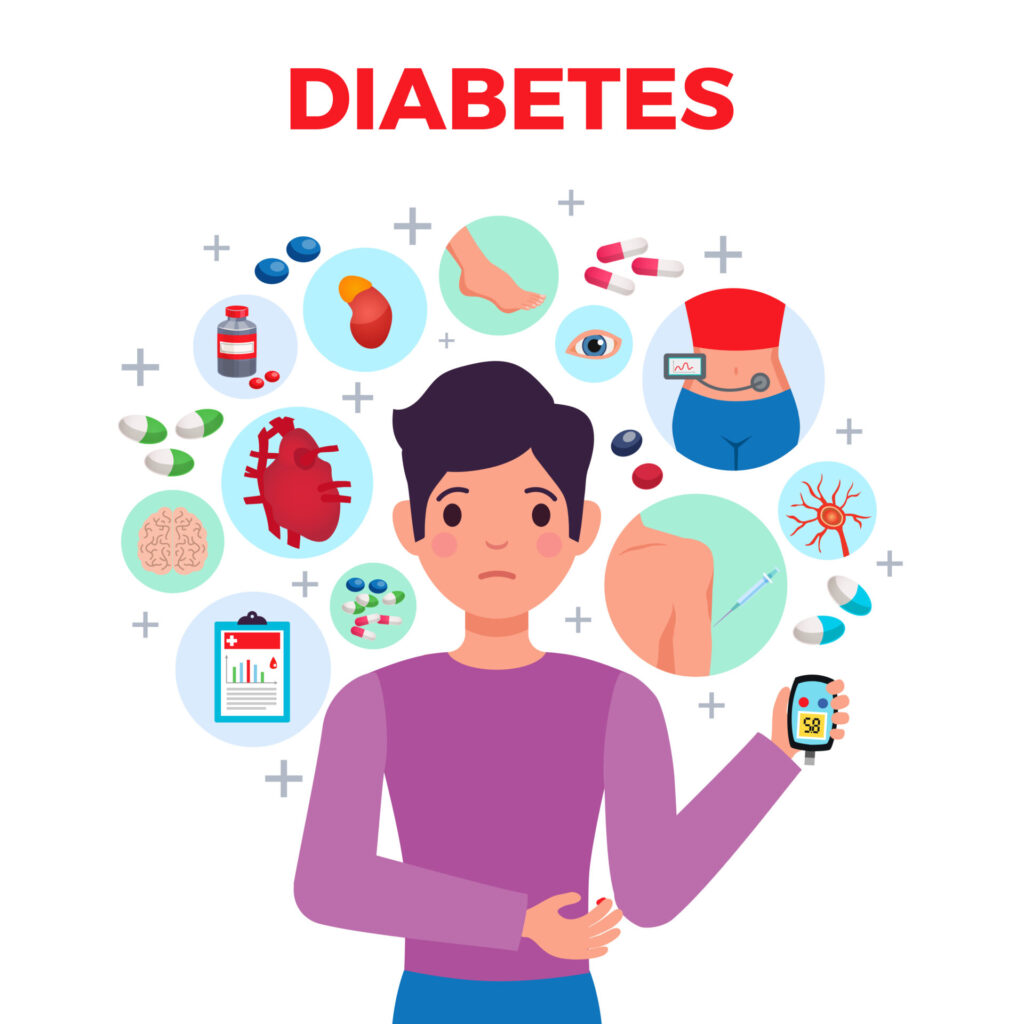
Diabetes, when unmanaged or undetected for long periods, can lead to complications that affect the eyes, kidneys, nerves, heart, and circulation. These risks often create fear when people first learn about them, because the mind instinctively fears the unknown and imagines the worst outcomes. But it is important to understand these complications not as inevitable futures, but as possibilities that can be significantly delayed, reduced, or prevented through consistent care and mindful living. Complications do not develop suddenly; they arise slowly over time, often after years of uncontrolled blood sugar, which means every step you take toward balance today creates protection for your future self. Understanding this helps transform worry into empowerment. Instead of living with fear, people begin living with purpose, recognizing that every choice—every meal, every moment of movement, every restful night of sleep, every step of emotional awareness—helps build long-term health. Learning about complications in a calm and compassionate way also encourages individuals to attend regular health check-ups, monitor their body’s signals, and seek care early rather than avoiding it out of fear. This proactive approach creates a future filled with confidence rather than uncertainty, reminding you that knowledge is not meant to scare you but to help you protect your well-being with wisdom and strength.
Emotional Healing: Learning to Forgive Yourself and Build Inner Peace
One of the most profound parts of living with diabetes is the emotional healing that unfolds when individuals learn to forgive themselves—not just once, but continuously. Many people internalize guilt when their blood sugar fluctuates, when they deviate from their routine, or when they feel emotionally overwhelmed. But guilt serves no healing purpose; it weighs the heart, clouds the mind, and interferes with the gentle rhythm of self-care. Emotional healing begins when individuals realize that diabetes is not a judgment or a punishment but simply a medical condition that requires understanding and support. Forgiving yourself does not mean ignoring mistakes; it means acknowledging that you are human, that you are learning, and that you are doing the best you can with the information and resources you have. Every day offers a fresh opportunity to nurture your body more lovingly and respond to its needs more clearly. As you practice self-forgiveness, you begin to create space for calmness, acceptance, and emotional balance. This inner peace becomes a foundation for long-term health because it shifts your relationship with diabetes from fear to compassion, from pressure to presence, and from self-criticism to self-respect.
Creating a Future of Confidence: How Knowledge and Consistency Build Hope
Hope is not something that appears magically; it grows through understanding, consistency, and the gradual realization that you have the power to influence your well-being. When individuals learn how food, movement, medication, sleep, emotions, and routines shape their blood sugar, they begin to feel deeply connected to their own healing. This awareness builds confidence—not the loud, dramatic kind, but a quiet, steady confidence that grows stronger with each small step. Over time, diabetes becomes less overwhelming because you recognize patterns, understand triggers, and develop strategies that work for your unique body. Consistency, even in small doses, becomes a form of strength that protects your health and nurtures your mind. Every day you choose balance, rest, nourishment, or awareness, you reinforce the foundation of your future well-being. This creates not only better physical health but also emotional stability, because confidence grows from familiarity, and familiarity grows from mindful repetition. Eventually, you begin to see diabetes not as an unpredictable force but as a condition you understand, respect, and manage with clarity and resilience.
FINAL REFLECTIVE CONCLUSION — A Gentle Ending to a Journey of Understanding
Diabetes may enter your life unexpectedly, bringing questions, fears, and uncertainties, but with time, knowledge, and compassion, it transforms from a frightening concept into a deeply understandable part of your health journey. This blog was designed to help you walk slowly through each layer of diabetes—its biology, its symptoms, its emotional impact, its management, and its long-term considerations—so that you could replace fear with clarity and judgment with compassion. The more you learn, the more empowered you become, because understanding reveals that the body is not your enemy but your lifelong companion, communicating with you in ways you can now hear more clearly. Living with diabetes does not diminish your life; it inspires you to live more intentionally, lovingly, and attentively. It teaches you the art of balance, the power of patience, and the beauty of small, consistent steps that shape long-term health. No matter where you are in your journey—newly diagnosed, years into management, or supporting someone you love—remember that you do not walk this path alone. Your strength grows each day you choose to listen to your body, care for your emotional well-being, and nourish your health with gentle awareness. Diabetes may change the way you move through the world, but it cannot take away your ability to grow, heal, and thrive. You are capable, resilient, and worthy of the compassion you give to others—and this journey is a testament to that truth.
FAQs With Answers
- What exactly is diabetes in simple terms?
Diabetes is a condition where the body struggles to manage blood sugar effectively because insulin is either not produced, not produced enough, or not used properly by the cells. When insulin cannot help glucose enter the cells, sugar remains in the bloodstream and rises above healthy levels. Understanding this process helps people see diabetes not as a failure of the body, but as a communication that certain internal systems need support, balance, and mindful care.
- What causes high blood sugar in diabetes?
High blood sugar occurs when glucose stays in the bloodstream instead of entering the cells for energy. This can happen due to insulin resistance, lack of insulin, stress, hormonal changes, inadequate sleep, infections, or large carbohydrate intake. The cause is rarely a single factor; instead, it develops from multiple influences that gradually disrupt the body’s ability to regulate glucose naturally.
- What is the difference between Type 1 and Type 2 diabetes?
Type 1 diabetes occurs when the pancreas stops producing insulin due to an autoimmune process. Type 2 diabetes develops when the body still makes insulin but cannot use it efficiently, leading to insulin resistance. While their mechanisms are different, both conditions result in high blood sugar and require long-term care, awareness, and management.
- Can diabetes develop without showing symptoms?
Yes. Many people live with diabetes or prediabetes for years without any noticeable symptoms. The body compensates for imbalances quietly, and symptoms only appear when glucose rises consistently. This is why routine checkups are essential, especially for people with risk factors like family history, stress, or inactivity.
- Why does diabetes cause excessive thirst?
Increased thirst happens because the kidneys attempt to remove excess glucose through urine, pulling water from the body in the process. This leads to dehydration, which signals the brain to drink more. This symptom is not harmful by itself—rather, it is the body’s way of trying to protect itself from sugar overload.
- Why does diabetes make people urinate more often?
Frequent urination occurs because the kidneys filter out extra sugar by flushing it through urine. As glucose spills into the urine, water follows, increasing the need to urinate. This natural attempt to remove excess sugar creates a cycle of thirst and urination, which is an important early sign of diabetes.
- Why does diabetes cause fatigue even when eating enough food?
Fatigue in diabetes occurs because glucose cannot properly enter the cells to generate energy. Even when food intake is adequate, the body feels underpowered. This leads to persistent tiredness that affects physical strength, concentration, and emotional resilience.
- Are dietary restrictions always necessary for diabetes?
A person with diabetes does not need to eliminate all favorite foods. Instead, they must understand how different foods affect their glucose levels. Balanced meals that combine carbohydrates with proteins, fiber, and healthy fats help stabilize blood sugar. Compassionate, mindful eating is more effective than strict restriction.
- How does stress impact diabetes?
Stress raises hormones like cortisol and adrenaline, which cause the liver to release extra glucose into the blood. For someone with diabetes, this can lead to unexpected spikes in blood sugar even without dietary changes. Managing stress becomes a vital part of controlling diabetes.
- Can exercise really lower blood sugar?
Yes. Physical activity helps the muscles use glucose more efficiently, even without insulin. This makes movement one of the most natural and powerful tools for lowering blood sugar. Gentle, sustainable activities like walking, stretching, or yoga are often enough to provide meaningful benefits.
- Is medication a sign that diabetes is worsening?
Medication does not indicate failure or worsening; it simply supports the body when internal systems need help. Diabetes medications improve insulin sensitivity, reduce glucose production, or replace missing insulin. They are tools that enhance health and protect long-term well-being.
- Why is blood sugar monitoring important?
Monitoring glucose helps you understand your body’s patterns, triggers, and responses. It provides information, not judgment. Each reading guides you in adjusting meals, stress levels, and routines, making diabetes management more predictable and empowering.
- Can diabetes lead to long-term complications?
If diabetes remains uncontrolled for many years, it can affect the eyes, kidneys, nerves, and heart. However, these complications are not guaranteed. With consistent care, stable glucose levels, and mindful habits, individuals can significantly reduce or delay the risk of complications.
- Is it normal to feel emotionally overwhelmed after a diabetes diagnosis?
Yes. Diabetes affects emotions as much as the body. Feelings of fear, guilt, frustration, or confusion are natural because the diagnosis introduces lifelong changes. Emotional healing grows through understanding, support, and self-compassion, which help transform overwhelm into empowerment.
- Can a person live a normal and fulfilling life with diabetes?
Absolutely. With awareness, consistent habits, emotional support, and proper management, people with diabetes can live long, meaningful, vibrant lives. Diabetes does not limit one’s potential—it simply encourages a more intentional, caring relationship with the body.
About The Author

I’ve been browsing online more than three hours today, yet I never found any interesting article like yours. It’s pretty worth enough for me. Personally, if all website owners and bloggers made good content as you did, the net will be a lot more useful than ever before.
Some really select content on this site, saved to fav.
Heard about Rajaluck invite codes and was curious. Found some leads here. Seems promising for grabbing some extra bonuses. Checking it out now! rajaluckinvitecode
I really like your writing style, great information, thanks for posting : D.
After study a number of of the weblog posts in your website now, and I really like your means of blogging. I bookmarked it to my bookmark website list and can be checking again soon. Pls take a look at my web site as well and let me know what you think.
Hiya, I’m really glad I’ve found this info. Today bloggers publish only about gossips and web and this is really irritating. A good blog with exciting content, this is what I need. Thank you for keeping this website, I will be visiting it. Do you do newsletters? Can’t find it.
Hey guys, had a blast over at umcassinoonline. It’s a fun place to spend some time, you know? Definitely worth a try if you’re bored! Go over here: umcassinoonline
BJ88dangnhap on .org! Solid platform for playing. Worth checking out if you want something reliable you know. bj88dangnhap
Wow! This blog looks exactly like my old one! It’s on a entirely different topic but it has pretty much the same layout and design. Excellent choice of colors!
I will immediately seize your rss as I can’t in finding your email subscription link or e-newsletter service. Do you’ve any? Please permit me know so that I may subscribe. Thanks.
I¦ve been exploring for a bit for any high quality articles or blog posts on this sort of space . Exploring in Yahoo I eventually stumbled upon this website. Studying this info So i¦m happy to express that I have an incredibly just right uncanny feeling I found out just what I needed. I so much certainly will make certain to do not omit this web site and give it a glance on a continuing basis.
You made some good points there. I checked on the web for more info about the issue and found most people will go along with your views on this site.
Trying to get my game on and needed the 777casinoapplogin. Super easy to use, thumbs up! You should login to 777casinoapplogin yourself!
PHWWcasino, jumped in to see what’s up! Okay selection and no big issues here to report, happy to see it functions as expected. A good option if you wanna try: phwwcasino
PHGreatCasino, tried it out. Nothing mind-blowing, but not bad either! You may find your next favourite game there. Try it here if you like, mate: phgreatcasino
I want to to thank you for this great read!! I certainly enjoyed every bit of it. I have you book-marked to look at new stuff you
Hey there just wanted to give you a quick heads up. The text in your post seem to be running off the screen in Opera. I’m not sure if this is a format issue or something to do with internet browser compatibility but I figured I’d post to let you know. The design look great though! Hope you get the problem resolved soon. Thanks
I am sure this paragraph has touched all the internet visitors, its really really fastidious paragraph on building up new web site.
Remarkable! Its genuinely awesome piece of writing, I have got much clear idea regarding from this post.
Everyone loves what you guys are up too. This sort of clever work and coverage! Keep up the good works guys I’ve added you guys to our blogroll.
I am sure this piece of writing has touched all the internet users, its really really pleasant piece of writing on building up new website.
The Roblox Hack makes it potential you could basically receive a vast quantity of free Tix and Robux for Roblox within simply with 3 minutes of time and very little effort at nearly all.
I’ve been absent for some time, but now I remember why I used to love this website. Thank you, I will try and check back more frequently. How frequently you update your website?
Hey there! I’ve been reading your website for a long time now and finally got the courage to go ahead and give you a shout out from Lubbock Tx! Just wanted to say keep up the excellent job!
Hey! Someone in my Facebook group shared this site with us so I came to give it a look. I’m definitely enjoying the information. I’m book-marking and will be tweeting this to my followers! Outstanding blog and amazing design.
I visited many web pages however the audio quality for audio songs current at this web page is really fabulous.
Ahaa, its pleasant dialogue regarding this article at this place at this weblog, I have read all that, so at this time me also commenting here.
Hello There. I found your weblog the use of msn. This is a really neatly written article. I will be sure to bookmark it and return to learn more of your helpful info. Thank you for the post. I’ll definitely comeback.
Hey there! I’ve been following your site for a long time now and finally got the courage to go ahead and give you a shout out from Porter Tx! Just wanted to tell you keep up the excellent work!
Wow! This blog looks just like my old one! It’s on a completely different subject but it has pretty much the same page layout and design. Outstanding choice of colors!
I’ll right away grab your rss as I can not to find your email subscription hyperlink or e-newsletter service. Do you’ve any? Please allow me understand so that I may subscribe. Thanks.
Excellent read, I just passed this onto a colleague who was doing a little research on that. And he actually bought me lunch as I found it for him smile Thus let me rephrase that: Thank you for lunch! “A human being has a natural desire to have more of a good thing than he needs.” by Mark Twain.
I will immediately take hold of your rss feed as I can not find your e-mail subscription link or newsletter service. Do you have any? Kindly let me recognize in order that I may just subscribe. Thanks.
I’ll immediately snatch your rss as I can not to find your e-mail subscription hyperlink or newsletter service. Do you have any? Kindly let me know in order that I may subscribe. Thanks.
I am sure this post has touched all the internet visitors, its really really fastidious piece of writing on building up new webpage.
I am no longer sure the place you are getting your info, however good topic. I must spend a while finding out much more or understanding more. Thank you for fantastic info I used to be looking for this info for my mission.
I’ll right away clutch your rss as I can not find your email subscription hyperlink or newsletter service. Do you have any? Kindly permit me know in order that I could subscribe. Thanks.
Thanks for the good writeup. It in fact was once a amusement account it. Glance complex to far added agreeable from you! However, how can we keep in touch?
Good day! I just would like to offer you a huge thumbs up for the great information you have right here on this post. I will be returning to your site for more soon.
Greetings! I’ve bren foollowing youur sitre for sme time nnow aand finaly gott thee curage too go aheadd annd givee youu a shouht ouut fro Ataschocita Texas! Jusst waqnted tto saay kkeep up the gpod work!
Ahaa, its good dialogue on the topic of this article here at this website, I have read all that, so now me also commenting here.
I for all time emailed this website post page to all my associates, because if like to read it then my friends will too.
You should take part in a contest for one of the finest sites on the internet. I most certainly will recommend this website!
**prodentim**
ProDentim is a distinctive oral-care formula that pairs targeted probiotics with plant-based ingredients to encourage strong teeth, comfortable gums, and reliably fresh breath.
**nerve calm**
NerveCalm is a high-quality nutritional supplement crafted to promote nerve wellness, ease chronic discomfort, and boost everyday vitality.