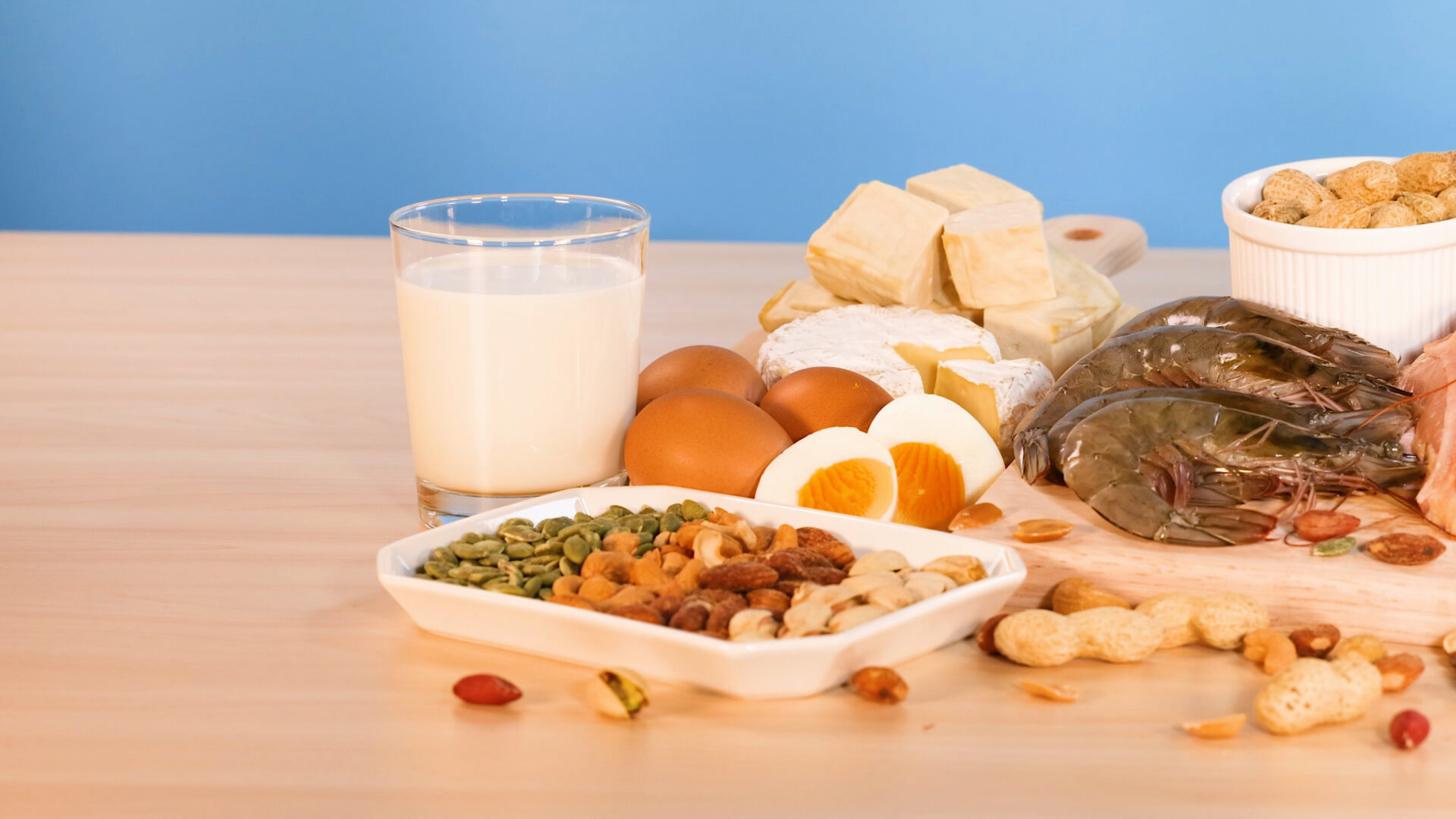
Best High-Protein Foods for Weight Loss and Muscle Growth
Discover the best high-protein foods for weight loss and muscle growth, including eggs, chicken, fish, lentils, and more.
Read DISCLAIMER
The material presented here is for general informational and educational purposes only and is not medical advice. Although we attempt to provide current and accurate information, this blog should not be used as a replacement for professional medical consultation, diagnosis, or treatment. In all cases, consult your physician or an accredited medical practitioner with regards to any medical condition or treatment. Do not ignore professional medical advice or wait for it on the basis of information provided by this blog. In a medical emergency, call emergency services immediately.
Introduction: Why Protein Has Become the Unsung Hero of Modern Nutrition
Have you ever noticed how some people seem to stay full for hours after a meal, maintain a healthy weight, recover quickly from workouts, and continue feeling energetic throughout the day? Meanwhile, others find themselves hungry just an hour after eating, constantly battling cravings, struggling to lose weight, or feeling weak despite trying countless diets. The difference is not always about eating less or exercising more. In many cases, the answer lies in one often-overlooked nutrient: protein.
Imagine your body as a house that is constantly being renovated. Every day, old materials are removed, damaged sections are repaired, and new structures are built. Your muscles, skin, hair, hormones, immune cells, enzymes, and even parts of your organs are continuously undergoing maintenance. Protein provides the building blocks required for this never-ending construction project. Without enough protein, the body struggles to repair, rebuild, and function at its best.
For many people, protein enters the conversation only when discussing bodybuilders, athletes, or gym enthusiasts. We often associate protein shakes with muscular individuals lifting heavy weights. But the truth is that protein is just as important for a busy office worker trying to lose weight, a mother juggling family responsibilities, a middle-aged individual trying to maintain muscle mass, or an older adult hoping to stay strong and independent.
The fascinating thing about protein is that it helps with two goals that many people believe are opposites: losing fat and gaining muscle. While most diets focus solely on restricting calories, protein helps create a healthier relationship with food by reducing hunger, preserving muscle, and supporting metabolic health. It works with the body rather than against it.
This is why understanding the best high-protein foods for weight loss and muscle growth can be one of the most valuable steps toward long-term health. Instead of chasing quick fixes and temporary diet trends, learning how protein works allows you to build a sustainable foundation that supports your body for years to come.
Understanding Why Protein Matters So Much
The Building Blocks That Keep Your Body Running
Imagine trying to build a brick wall without bricks. No matter how skilled the construction workers are, progress becomes impossible without the raw materials. Protein functions as those raw materials inside the human body.
Every protein-rich food contains amino acids, often called the building blocks of life. These amino acids help repair damaged tissues, build muscle fibers, create enzymes that support digestion, produce hormones that regulate countless bodily functions, and strengthen the immune system. Without adequate protein, the body struggles to maintain these essential processes.
Think about someone recovering from a strenuous workout. Tiny microscopic tears occur within the muscle fibers during exercise. This sounds alarming, but it is actually a normal and beneficial process. When sufficient protein is available, the body repairs these tiny tears and makes the muscles stronger than before. This adaptation is how muscle growth occurs.
Protein’s role extends far beyond muscles. Every strand of hair, every fingernail, every skin cell and every immune response relies on protein. This is why inadequate protein intake can affect not only strength but also energy levels, healing, recovery, and overall health.
The body is remarkably resilient, but it requires the right materials to perform its daily repairs. Protein provides those materials.
Why Protein Is a Weight Loss Superfood
One of the biggest frustrations people experience during weight loss is hunger.
Imagine trying to drive a car with a fuel tank that empties every hour. You would constantly be searching for the next gas station. This is how many people feel when eating meals that are low in protein and high in refined carbohydrates.
Protein has a unique ability to promote satiety, which is the feeling of fullness after eating. Unlike foods that cause rapid spikes and crashes in blood sugar, protein is digested more slowly. This slower digestion helps keep hunger under control for longer periods.
Consider two breakfasts. One person starts the day with sugary cereal and sweetened coffee. Another begins with eggs, Greek yogurt, and nuts. By mid-morning, the first person may already be searching for snacks, while the second person remains comfortably satisfied. The difference often comes down to protein.
Protein also requires more energy to digest compared to fats and carbohydrates. While the effect is not dramatic enough to create weight loss on its own, it contributes to overall calorie expenditure. More importantly, protein helps preserve muscle during weight loss, ensuring that the body loses more fat rather than valuable lean tissue.
When people increase protein intake appropriately, they often discover that healthy eating becomes easier rather than harder. They spend less time fighting cravings and more time feeling satisfied.
The Best Animal-Based High-Protein Foods for Weight Loss and Muscle Growth
Eggs: Nature’s Perfect Protein Package
If there were an award for the most versatile protein-rich food, eggs would be a strong contender.
Imagine opening your refrigerator and finding a food that supports muscle recovery, promotes fullness, provides essential nutrients, and can be prepared in countless ways. That is exactly what eggs offer.
For decades, eggs have been surrounded by nutritional myths and misunderstandings. Yet modern research has consistently shown that eggs can be part of a healthy diet for most individuals. They provide high-quality protein containing all essential amino acids needed for muscle repair and growth.
What makes eggs particularly valuable for weight loss is their ability to satisfy hunger. Many people notice that an egg-based breakfast keeps them full far longer than a breakfast based primarily on refined carbohydrates.
Think about a busy parent rushing to work. A breakfast consisting of eggs and vegetables may provide stable energy throughout the morning, reducing the temptation to grab unhealthy snacks. This practical benefit often matters more than any nutrient statistic.
Eggs also contain nutrients such as choline, which supports brain health and various metabolic functions. They are affordable, accessible, and suitable for people at nearly every stage of life.
Chicken Breast: The Reliable Muscle Builder
Few foods have become as closely associated with fitness and muscle growth as chicken breast.
The reason is simple. Chicken breast delivers a substantial amount of high-quality protein while remaining relatively low in calories and fat. This combination makes it particularly attractive for individuals trying to lose body fat while preserving or building muscle.
Imagine someone attempting to lose twenty pounds. If they drastically reduce calories without adequate protein, the body may begin breaking down muscle tissue alongside fat. This can slow metabolism and reduce strength. Chicken breast helps protect against that outcome by providing the amino acids needed to maintain lean mass.
Beyond nutrition, chicken is incredibly adaptable. It can fit into salads, soups, wraps, stir-fries, curries, and countless other meals. This flexibility makes it easier to maintain a high-protein diet without becoming bored.
Sustainability is one of the most overlooked aspects of healthy eating. The best diet is not the one that works for two weeks. It is the one you can enjoy for years. Chicken’s versatility makes long-term consistency much easier.
Fish: Protein with Heart-Healthy Benefits
Fish occupies a special place among protein sources because it offers benefits that extend beyond muscle growth.
Imagine getting two valuable gifts at once. Fish provides abundant protein while also delivering omega-3 fatty acids, nutrients known for supporting heart health, brain function, and inflammation management.
Fatty fish such as salmon are particularly noteworthy. While some people avoid them because they contain more fat than lean meats, these healthy fats contribute to satiety and overall wellness. They are not the type of fats typically associated with unhealthy weight gain.
A person focused on both weight management and long-term health can benefit tremendously from incorporating fish into regular meals. The protein supports muscle maintenance, while the omega-3s support cardiovascular and cognitive health.
This combination makes fish one of the most well-rounded foods available.
Greek Yogurt: The Protein-Rich Snack That Feels Like a Treat
Many people assume healthy eating requires sacrificing enjoyment. Greek yogurt challenges that belief.
Imagine enjoying something creamy, satisfying, and delicious while simultaneously supporting your fitness goals. Greek yogurt offers precisely that experience.
Compared with regular yogurt, Greek yogurt contains significantly more protein due to its straining process. This increased protein content helps promote fullness and supports muscle recovery.
Greek yogurt can be especially helpful for individuals who struggle with late-night cravings. Instead of reaching for ice cream or processed snacks, a bowl of Greek yogurt topped with berries can satisfy hunger while providing valuable nutrition.
The combination of protein and beneficial bacteria also supports digestive health. This dual benefit makes Greek yogurt a practical choice for both weight management and overall wellness.
The Best Plant-Based High-Protein Foods for Weight Loss and Muscle Growth
Lentils: The Humble Nutritional Powerhouse
Lentils rarely receive the attention they deserve.
Imagine a food that provides protein, fiber, vitamins, minerals, and lasting fullness while remaining affordable and accessible. Lentils offer all these benefits and more.
One reason lentils support weight loss so effectively is their remarkable combination of protein and fiber. Together, these nutrients slow digestion and help control appetite.
Picture someone eating a bowl of lentil soup during lunch. Hours later, they still feel satisfied. Compare that with a highly processed fast-food meal that leaves them hungry again shortly afterward.
Lentils also contribute to stable blood sugar levels, making them particularly valuable for individuals trying to reduce cravings and maintain consistent energy.
Chickpeas: Small Beans with Big Benefits
Chickpeas demonstrate that powerful nutrition often comes in simple packages.
These versatile legumes provide a meaningful amount of protein while also delivering fiber and important micronutrients. Whether enjoyed in curries, salads, roasted snacks, or hummus, chickpeas can fit seamlessly into many eating patterns.
What makes chickpeas especially appealing is their ability to create satisfying meals without excessive calories. Their combination of protein and fiber helps slow digestion and promote fullness.
For individuals transitioning toward healthier eating habits, chickpeas provide a practical bridge between nutrition and enjoyment.
Tofu and Tempeh: Plant-Based Protein Champions
Many people are surprised to discover how protein-rich soy-based foods can be.
Tofu and tempeh offer complete proteins, meaning they contain all essential amino acids required by the body. This characteristic makes them particularly valuable for vegetarians and vegans seeking muscle growth.
Imagine someone who has recently adopted a plant-based lifestyle and worries about losing strength. Incorporating tofu and tempeh into meals can help address those concerns while providing flexibility in meal preparation.
These foods absorb flavors beautifully, making them suitable for countless culinary styles and cultural traditions.
How Protein Supports Muscle Growth
The Recovery Process Most People Never See
Muscle growth is often misunderstood.
Many people believe muscles grow during exercise. In reality, exercise creates the stimulus, but growth occurs afterward during recovery.
Imagine planting a seed. Digging the hole is only the beginning. The real growth happens later as the plant receives water, nutrients, and sunlight. Similarly, muscles require protein after exercise to repair and strengthen.
Without adequate protein, the body struggles to complete this recovery process efficiently. The workout creates the opportunity for growth, but protein provides the materials needed to make growth possible.
This is why athletes, fitness enthusiasts, and active individuals place such emphasis on protein intake.
Finding the Right Balance
More Protein Is Not Always Better
One common mistake is assuming that if some protein is good, massive amounts must be even better.
The reality is more nuanced.
Imagine watering a garden. Too little water causes problems, but excessive watering can also create issues. Nutrition often follows similar principles.
Most people benefit from increasing protein intake if their current consumption is inadequate. However, successful health outcomes depend on overall dietary balance. Fruits, vegetables, healthy fats, whole grains, hydration, sleep, and physical activity all contribute to long-term wellness.
Protein is powerful, but it works best as part of a complete lifestyle approach rather than as a standalone solution.
Conclusion: Building a Stronger Body One Meal at a Time
Weight loss and muscle growth often seem like complicated goals filled with conflicting advice and endless nutrition trends. Yet beneath the noise lies a simple truth: your body needs quality fuel to thrive.
High-protein foods provide much more than muscle-building nutrients. They help control hunger, support recovery, preserve strength during weight loss, improve satiety, and contribute to overall health. Whether your protein comes from eggs, fish, chicken, Greek yogurt, lentils, chickpeas, tofu, or other wholesome sources, each meal becomes an opportunity to invest in your future well-being.
The journey toward better health does not require perfection. It does not demand extreme diets or impossible restrictions. Instead, it begins with small, consistent choices. Choosing protein-rich foods today may seem like a simple decision, but over months and years, those choices accumulate into greater strength, improved confidence, better body composition, and enhanced quality of life.
Think of every protein-rich meal as placing another brick in the foundation of a healthier future. One meal may not transform your life overnight, but thousands of meals over a lifetime certainly can. The body you want is not built through dramatic changes. It is built through daily habits, repeated with patience and purpose.
And among those habits, few are as powerful, practical, and transformative as making protein a priority.
Frequently Asked Questions (FAQs)
- Why is protein important for weight loss?
Protein plays a crucial role in weight loss because it helps control hunger and keeps you feeling full for longer periods. Unlike foods high in refined carbohydrates, protein slows digestion and helps stabilize blood sugar levels. This reduces cravings, prevents overeating, and makes it easier to maintain a calorie deficit. Additionally, protein helps preserve muscle mass during weight loss, ensuring that most of the weight lost comes from body fat rather than lean tissue.
- How does protein help build muscle?
Muscles are made primarily of protein, and physical exercise creates tiny tears within muscle fibers. Protein provides the amino acids needed to repair and rebuild these fibers, making them stronger and larger over time. Without adequate protein intake, the body cannot efficiently recover from exercise, which may limit muscle growth and strength development.
- What are the best high-protein foods for muscle growth?
Some of the best high-protein foods for muscle growth include eggs, chicken breast, fish, Greek yogurt, lean beef, cottage cheese, lentils, chickpeas, tofu, and tempeh. These foods provide high-quality protein along with essential nutrients that support muscle recovery, energy production, and overall health.
- How much protein should I eat daily for weight loss?
Protein needs vary depending on age, activity level, body weight, and health goals. Generally, individuals trying to lose weight benefit from consuming more protein than the minimum recommended intake. A higher protein diet helps maintain fullness, supports muscle preservation, and can improve body composition during weight loss efforts.
- Are eggs good for weight loss?
Yes, eggs are one of the best foods for weight loss. They are rich in high-quality protein and provide long-lasting satiety. Many people find that starting their day with eggs helps reduce hunger throughout the morning and decreases the likelihood of snacking on unhealthy foods later in the day.
- Can vegetarians get enough protein for muscle growth?
Absolutely. Vegetarian protein sources such as lentils, beans, chickpeas, tofu, tempeh, Greek yogurt, cottage cheese, nuts, and seeds can provide sufficient protein for muscle growth when consumed as part of a balanced diet. Careful meal planning ensures adequate intake of essential amino acids and overall protein requirements.
- Is chicken breast better than other protein sources?
Chicken breast is a popular protein source because it provides a large amount of protein with relatively few calories and little fat. However, it is not necessarily superior to all other protein sources. Fish, eggs, dairy products, legumes, and soy foods can also contribute effectively to weight loss and muscle-building goals.
- Can high-protein foods help reduce cravings?
Yes, protein is highly effective at reducing cravings because it promotes satiety and helps regulate hunger hormones. People who consume adequate protein often report fewer cravings for sugary snacks and processed foods, making healthy eating easier to maintain over time.
- Is Greek yogurt a good source of protein?
Greek yogurt is an excellent source of protein and is particularly beneficial as a snack or breakfast option. It contains more protein than regular yogurt and can help support muscle recovery, appetite control, and digestive health. Choosing unsweetened varieties can further support weight management goals.
- Which fish is best for muscle growth and fat loss?
Fatty fish such as salmon, tuna, sardines, and mackerel are excellent choices. They provide high-quality protein along with omega-3 fatty acids, which support heart health, brain function, and recovery from exercise. Their combination of protein and healthy fats makes them ideal for both muscle growth and weight management.
- Can I lose weight without eating protein supplements?
Yes, many people successfully lose weight and build muscle using whole-food protein sources alone. Eggs, poultry, fish, dairy products, legumes, soy foods, and lean meats can provide sufficient protein without requiring supplements. Protein powders are simply convenient options and are not mandatory for success.
- What happens if I do not eat enough protein?
Insufficient protein intake may lead to increased hunger, slower recovery from exercise, muscle loss, fatigue, and difficulty maintaining strength. Over time, inadequate protein consumption can negatively affect metabolism, immune function, and overall body composition.
- Are plant-based proteins as effective as animal proteins?
Plant-based proteins can be highly effective when consumed in sufficient quantities and variety. Foods such as tofu, tempeh, lentils, beans, quinoa, and chickpeas provide valuable protein and nutrients. Combining different plant foods throughout the day helps ensure an adequate intake of essential amino acids.
- When is the best time to eat protein?
Protein can be beneficial throughout the day. Consuming protein with meals helps maintain fullness and stable energy levels, while eating protein after exercise supports muscle recovery and growth. The total amount of protein consumed throughout the day is generally more important than precise timing.
- Can older adults benefit from eating more protein?
Yes, protein becomes increasingly important with age because muscle mass naturally declines over time. Adequate protein intake helps preserve strength, mobility, independence, and overall quality of life. Including protein-rich foods in each meal can support healthy aging and reduce the risk of age-related muscle loss.
About The Author
