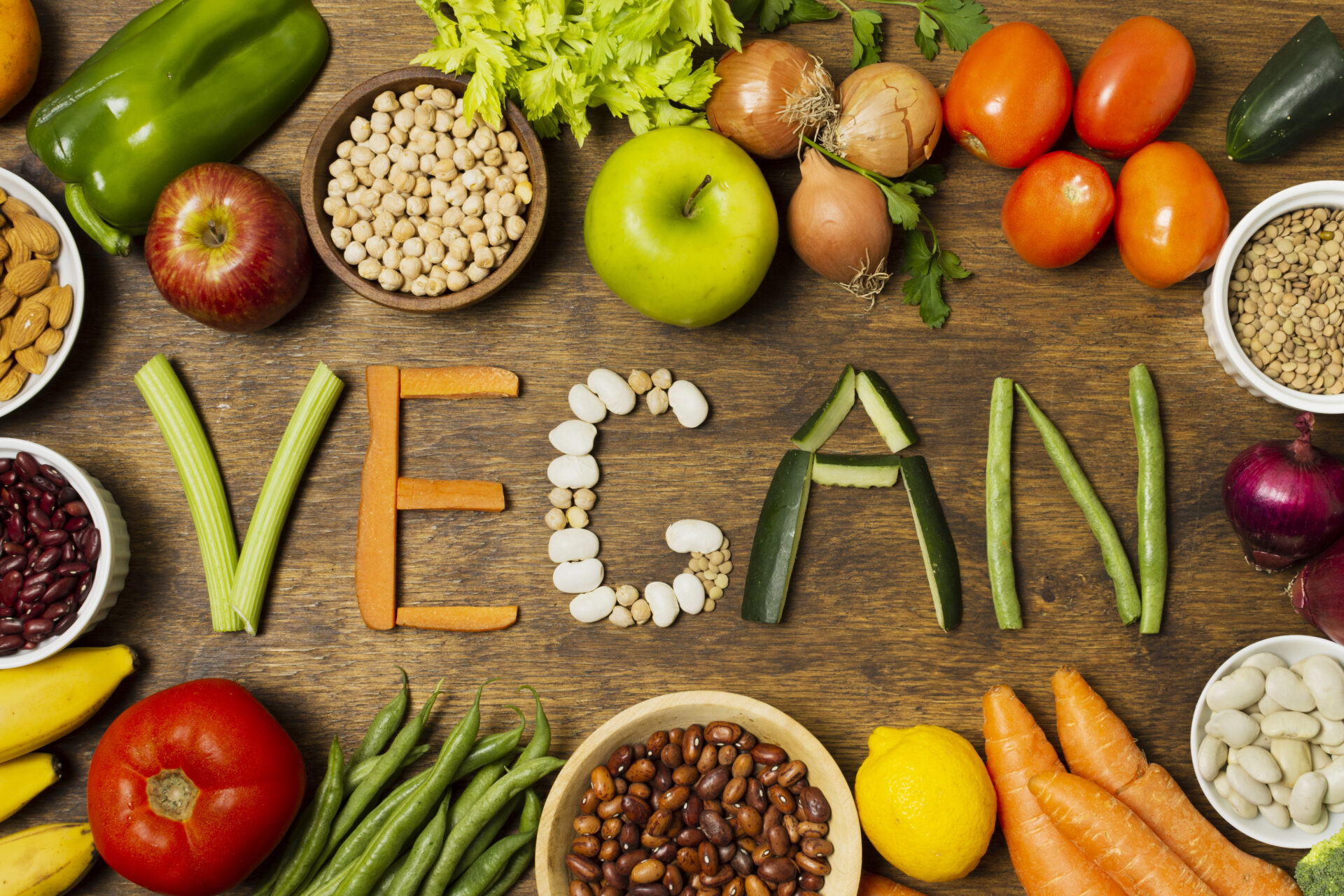
Is a Vegan Diet Right for Your Body? A Compassionate Guide to Plant-Based Living
Considering a plant-based life? Discover the health benefits, nutrient essentials, and emotional rewards of a vegan diet.
Read DISCLAIMER
The material presented here is for general informational and educational purposes only and is not medical advice. Although we attempt to provide current and accurate information, this blog should not be used as a replacement for professional medical consultation, diagnosis, or treatment. In all cases, consult your physician or an accredited medical practitioner with regards to any medical condition or treatment. Do not ignore professional medical advice or wait for it on the basis of information provided by this blog. In a medical emergency, call emergency services immediately.
The Emotional Journey Toward Mindful Nourishment and Personal Vitality
Deciding how to nourish your body is one of the most intimate and personal journeys you will ever embark upon, as it touches the very core of your values, your health, and your connection to the world around you. For many, the transition toward a plant-based lifestyle begins with a quiet, internal whisper—a desire to live more gently, to feel more vibrant, or to find a way of eating that resonates with a deep sense of compassion for all living beings. This path is not merely about removing certain foods from your plate, but about inviting a new sense of awareness into your daily rituals and discovering the profound way that nature’s bounty can sustain your physical and emotional well-being. It is perfectly natural to feel a mixture of excitement and uncertainty as you stand at this crossroads, wondering if your body will thrive on this new rhythm or if you will miss the traditions of the past. We are going to explore this transition with the gentleness and patience you deserve, looking at the science and the soul of veganism to help you decide if this path aligns with your unique biological needs and your heart’s truest intentions. By approaching this choice with an open mind and a soft heart, you can transform the way you view sustenance from a list of restrictions into a celebration of life and a profound act of self-love.
Understanding the Foundations of a Whole-Food Plant-Based Lifestyle
To understand if a vegan diet is right for you, we must first look at what it truly means to nourish the body with plants in a way that is sustainable, scientifically sound, and deeply restorative. A well-constructed vegan diet focuses on an abundance of fruits, vegetables, legumes, grains, nuts, and seeds, providing a symphony of phytonutrients that work in harmony to support your cellular health and longevity. As explained in this comprehensive overview of plant-based diets from the Mayo Clinic, moving away from animal products can significantly lower the risk of chronic conditions such as heart disease and type 2 diabetes. This transition is about more than just “not eating meat”; it is about crowding out processed foods with vibrant, life-giving ingredients that offer your body the high-quality fuel it needs to function at its best. Think of your body as a delicate garden that thrives when given the purest water and the most nutrient-rich soil, allowing your natural energy to bloom from the inside out. When we view veganism through the lens of abundance rather than lack, we begin to see the infinite possibilities for creativity and health that come from the earth’s natural cycles.
The Vital Importance of Vitamin B12 and Neurological Health
One of the most critical aspects of a successful transition to a vegan diet is understanding the unique role of Vitamin B12, a nutrient that is essential for maintaining the health of your nerves and the integrity of your red blood cells. Because this vitamin is primarily found in animal products, those who choose a plant-based path must be intentional about incorporating fortified foods or high-quality supplements to ensure their nervous system remains calm and resilient. According to the National Institutes of Health (NIH) fact sheet on Vitamin B12, a deficiency in this vital nutrient can lead to feelings of fatigue, weakness, and even cognitive changes over time. Imagine Vitamin B12 as the protective insulation around the electrical wires of your body; without it, the signals can become frayed or lost, leading to a sense of physical and mental depletion. This is not a reason to fear a vegan diet, but rather a call to approach it with wisdom and a commitment to proactive self-care that honors your body’s specific biological requirements. By staying informed and mindful of your nutrient intake, you can enjoy the many benefits of plant-based living while providing your brain and nervous system with the quiet, steady support they need to thrive.
Iron is the miraculous mineral that allows your blood to carry life-giving oxygen to every corner of your body, and while it is plentiful in the plant kingdom, it requires a bit of gentle understanding to be absorbed most effectively. In a vegan diet, we consume “non-heme” iron from sources like lentils, spinach, and tofu, which the body absorbs differently than the iron found in animal tissues. As suggested in this educational guide on iron-deficiency anemia from the Cleveland Clinic, pairing iron-rich plant foods with Vitamin C can significantly enhance your body’s ability to take in this essential mineral. Think of Vitamin C as a warm, welcoming light that helps your digestive system recognize and embrace the iron you are consuming, ensuring your energy levels remain steady and your spirit stays bright. It is a beautiful example of how nature provides us with the tools we need to succeed, provided we learn to listen to the subtle language of food synergy. By being mindful of these combinations, you are not just eating; you are participating in a sophisticated biological dance that keeps your blood strong and your heart beating with vitality.
The Role of Plant-Based Protein in Cellular Repair and Strength
A common concern for those considering a vegan path is whether they will receive enough protein to support their muscles, their immune system, and the constant repair of their physical tissues. It is deeply reassuring to learn that the plant world is brimming with protein-rich offerings—from the humble chickpea to the versatile soybean—that contain all the amino acids your body needs to rebuild itself every single day. The Johns Hopkins Medicine guide to plant-based protein highlights how a diverse intake of plant foods can easily meet and exceed your daily requirements while providing fiber and antioxidants that animal proteins lack. Imagine your protein intake as the bricks and mortar of your physical temple; as long as you provide a steady supply of various plant-based “materials,” your body has everything it needs to maintain its structural integrity and strength. This shift away from a single, concentrated source of protein toward a wide variety of plant sources encourages a more balanced and harmonious internal environment. It allows you to build a body that is not just strong, but also resilient, flexible, and deeply nourished by the diverse gifts of the earth.
Cultivating Calcium and Supporting Long-Term Bone Health
As you move toward a plant-based lifestyle, ensuring your bones remain strong and your skeletal system stays supported is a vital part of your long-term health journey. While many of us were raised to believe that calcium only comes from one source, the truth is that many plants, such as kale, broccoli, and fortified plant milks, offer calcium in a form that the body can readily use and appreciate. As explored in the World Health Organization’s (WHO) guidelines on nutrition and bone health, a diet rich in fruits and vegetables also provides magnesium and Vitamin K, which are equally important for keeping your bones dense and healthy. Think of your bones as a living, breathing reservoir of minerals that require constant, gentle replenishment to stay vibrant throughout your life. By choosing a variety of mineral-rich plants, you are providing your skeletal system with the foundational support it needs to carry you through the world with grace and ease. This approach to bone health is a reminder that every bite we take is an opportunity to strengthen our physical foundation and honor the incredible vessel that allows us to experience the beauty of life.
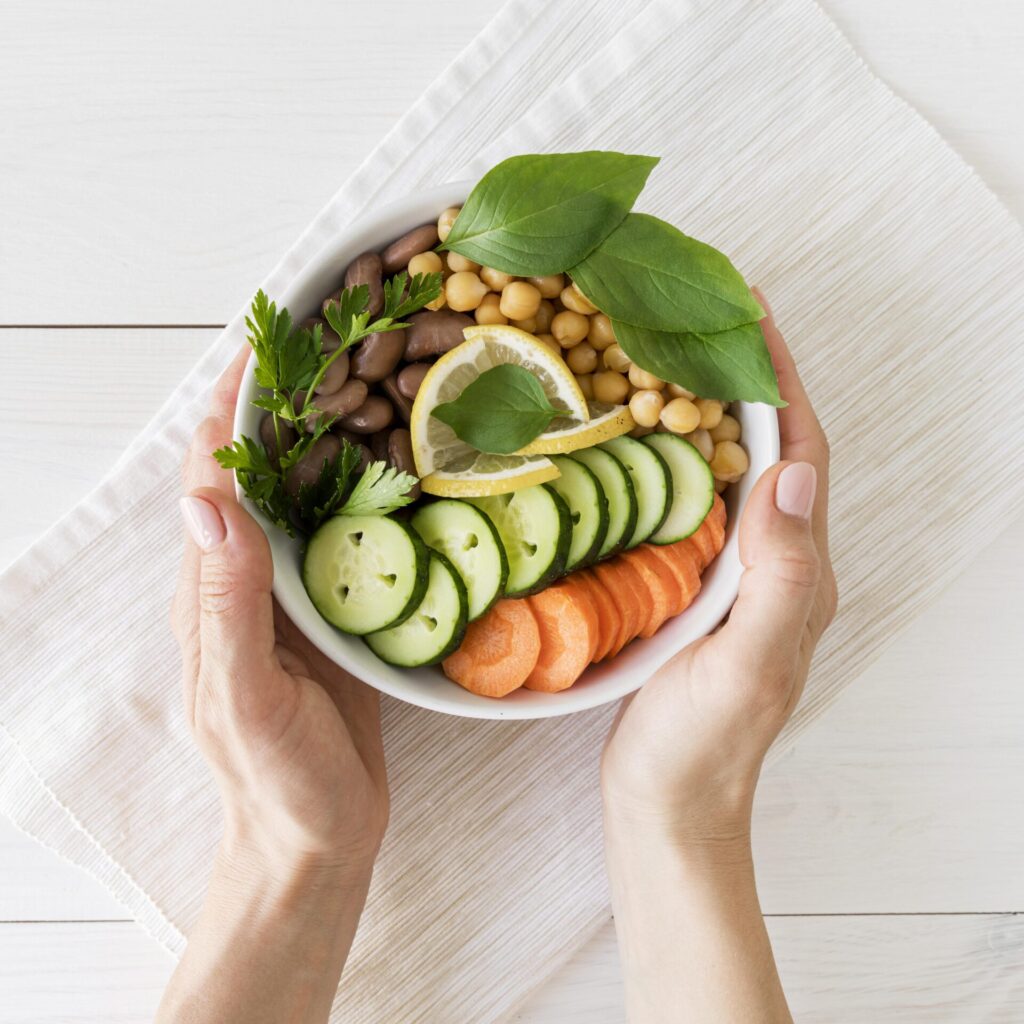
Assessing the Biological and Environmental Harmony of Plant-Based Living
The Internal Symphony of Digestion and Microbiome Diversity
When we transition to a diet centered around plants, we are essentially inviting a new set of microbial guests into our digestive system, creating a vibrant and diverse internal ecosystem that acts as the foundation of our health. This shift in nutrition provides an abundance of dietary fiber, which serves as the primary fuel for the beneficial bacteria living in your gut, leading to improved digestion and a stronger immune response. As explained in this insightful look at gut health and the microbiome from the Cleveland Clinic, a thriving community of gut microbes can influence everything from your mood to your metabolic rate. Imagine your digestive tract as a lush, fertile valley; when you feed it a variety of colorful plants, you are encouraging the growth of a beautiful and resilient landscape that protects you from illness and inflammation. This process of internal rewilding can take a little time as your body adjusts to the increased fiber, requiring you to move forward with a sense of patience and gentle observation. By honoring the needs of your microscopic inhabitants, you are fostering a deep sense of biological harmony that will radiate throughout your entire body, leaving you feeling lighter, more energetic, and profoundly connected to your own physical self.
The Protective Power of Phytonutrients and Antioxidant Support
One of the most miraculous aspects of the plant kingdom is the presence of phytonutrients—unique chemical compounds that plants produce to protect themselves from the sun, pests, and disease. When we consume these plants, we inherit these protective qualities, providing our own cells with a powerful shield against the oxidative stress and cellular damage that can lead to chronic disease. According to the National Cancer Institute’s research on phytonutrients and cancer prevention, these antioxidants work by neutralizing free radicals, which are unstable molecules that can harm our DNA. Think of antioxidants as a dedicated team of restoration experts who travel through your bloodstream, repairing minor “scratches” and maintaining the structural integrity of your tissues. This is why eating a “rainbow” of vegetables is so important; each color represents a different class of these healing compounds, ensuring that your body receives a complete spectrum of protection. By choosing a plant-based path, you are effectively saturating your system with the very best of nature’s medicine, allowing your body to maintain a state of youthful resilience and long-term vitality.
Heart Health and the Gentle Regulation of Blood Pressure
Choosing a vegan lifestyle is often one of the most loving things you can do for your heart, as plant-based foods are naturally free of cholesterol and low in the saturated fats that can contribute to cardiovascular strain. By focusing on whole grains, legumes, and leafy greens, you are providing your arteries with the nutrients they need to remain flexible and clear, allowing blood to flow easily and effortlessly throughout your body. As noted in this detailed guide on preventing heart disease through nutrition from the American Heart Association, a diet rich in fiber and potassium is essential for maintaining a healthy and stable blood pressure. Imagine your heart as a steady, hardworking pump and your arteries as smooth pathways; a plant-based diet ensures that these pathways remain free of obstructions, reducing the workload on your heart and prolonging its strength. This gentle regulation of your cardiovascular system creates a sense of internal calm, as your heart no longer has to struggle against the resistance caused by dietary-induced inflammation. It is a profound act of self-care that honors the organ that works tirelessly to sustain your life, ensuring it remains strong and steady for many years to come.
Balancing Omega-3 Fatty Acids for Brain and Joint Health
While many people associate Omega-3 fatty acids with fish, the plant world offers its own beautiful sources of these essential fats in the form of flaxseeds, chia seeds, and walnuts. These fats are vital for maintaining the fluidity of our cell membranes and are particularly important for supporting cognitive function and reducing inflammation in the joints. As explained in the NIH fact sheet on Omega-3 fatty acids, these nutrients are crucial for heart health and may even play a role in stabilizing your mood and emotional well-being. Think of these healthy fats as the high-quality oil that keeps the gears of your brain and body moving smoothly, preventing the “creakiness” of inflammation and the “fogginess” of a tired mind. Because the conversion of plant-based Omega-3s into the forms used by the brain can be slow, it is important to be consistent and intentional about including these seeds and oils in your daily meals. By nurturing your body with these essential fats, you are supporting the delicate structures of your nervous system and ensuring that your physical movements remain fluid and comfortable throughout your life’s journey.
The Environmental Echo of Your Dietary Choices
Choosing to eat a plant-based diet is an act that resonates far beyond the boundaries of your own skin, creating a positive ripple effect that touches the health of our entire planet. The production of plant-based foods generally requires significantly less water, land, and energy than the production of animal products, making it a powerful way to reduce your individual ecological footprint and preserve the Earth’s precious resources. As discussed in the World Health Organization’s report on sustainable diets and planetary health, shifting toward plant-rich eating is one of the most effective ways to combat climate change and protect biodiversity for future generations. Imagine every meal as a quiet vote for the kind of world you wish to live in—a world where resources are used mindfully and all living systems are treated with a sense of respect and stewardship. This connection to the environment can provide a deep sense of purpose and motivation, helping you stay committed to your dietary path even when it feels challenging. By nourishing yourself with plants, you are participating in a global movement of healing that seeks to restore balance to our shared home, proving that what is good for the individual is truly good for the whole.
One of the most complex parts of adopting a vegan lifestyle is navigating the social and emotional landscape of sharing meals with friends and family who may not share your new perspective. Food is often a language of love and tradition, and choosing to eat differently can sometimes feel like a rejection of shared history or a cause of friction during celebratory gatherings. It is important to approach these situations with the same compassion for others that you are showing toward yourself and the planet, recognizing that everyone is on their own unique journey of understanding. According to this Johns Hopkins guide on navigating lifestyle changes and relationships, open and honest communication is the key to maintaining strong connections while staying true to your values. You might find that bringing a delicious plant-based dish to share or focusing on the joy of the company rather than the contents of the plate can help bridge the gap and ease any tension. Remember that your choice to eat plants is a personal expression of your values, and by living your truth with gentleness and without judgment, you may naturally inspire others to look at their own choices in a new and curious light.
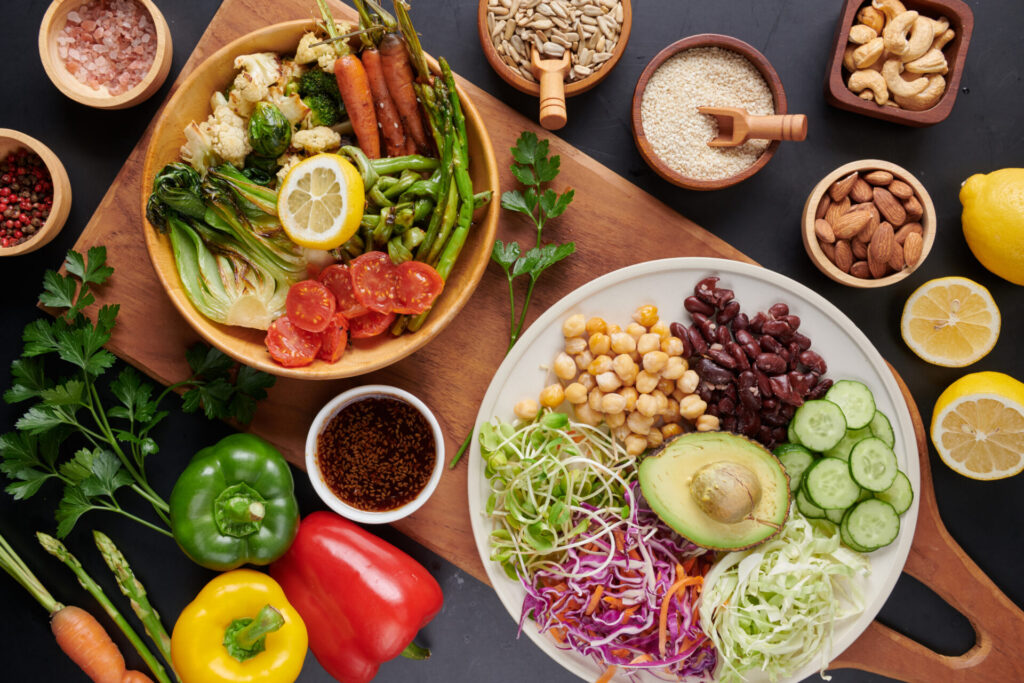
Embracing the Practical Wisdom of a Mindful Plant-Based Transition
The Gentle Art of Transitioning Without Overwhelming Your Spirit
Embarking on a plant-based path is a journey that is best traveled with a spirit of curiosity and a commitment to radical self-patience, rather than a rigid adherence to perfection. For many, the most sustainable way to embrace a vegan lifestyle is to view it as a slow unfolding—a process of gradually crowding out old habits with new, vibrant discoveries that make your body feel light and alive. This approach allows your digestive system to adjust to the increased fiber and your palate to begin appreciating the subtle, earthy sweetness of whole plants without the shock of an overnight overhaul. It is important to remember that every single meal you choose that honors life and health is a victory in itself, and you do not need to be “perfect” to make a profound difference in your well-being. By allowing yourself the space to explore, experiment, and even stumble, you are building a relationship with food that is based on joy and intuition rather than restriction and fear. This section will guide you through the practicalities of making this shift in a way that feels like a natural evolution of your self-care, ensuring that your transition is as emotionally nourishing as it is physically revitalizing.
Mastering the Science of Satiety and Caloric Density
When you remove calorie-dense animal products from your diet, you may find that you need to eat a larger volume of food to feel fully satisfied and maintain your energy levels throughout the day. Plant foods are naturally high in water and fiber, which means they take up more space in the stomach while providing fewer calories, a concept known as caloric density that can be incredibly helpful for long-term weight management. According to this detailed explanation of energy density and healthy eating from the CDC, learning to fill your plate with high-volume, low-calorie vegetables allows you to eat until you are truly full without feeling heavy or sluggish. Imagine your stomach as a sensor that measures the “bulk” of your food; by providing it with plenty of leafy greens, beans, and whole grains, you are sending signals of satisfaction to your brain that keep cravings at bay. However, it is equally important to include “anchor” foods like avocados, nuts, and seeds to ensure you are getting enough healthy fats to sustain your hormones and brain health. Balancing these two aspects of plant-based eating ensures that you feel nourished and grounded, preventing the “empty” feeling that can sometimes occur if you rely solely on light salads and fruits.
The Importance of Routine Blood Work and Professional Monitoring
As you settle into your new way of eating, it is a profound act of self-respect to partner with a healthcare professional who can help you monitor your internal landscape through regular blood work. This proactive approach ensures that your body is effectively absorbing the nutrients you are providing and allows you to make gentle adjustments to your diet or supplementation before any imbalances arise. As recommended in the Mayo Clinic’s guide on vitamin deficiency anemia, checking your levels of B12, Iron, and Vitamin D can provide peace of mind and a clear roadmap for your continued health. Think of this monitoring not as a test of your success, but as a conversation between you and your biology, ensuring that your unique needs are being met at every stage of your life. Every person’s body is a different ecosystem with varying rates of absorption and metabolic demands, so what works for one person may need slight tweaking for another. By staying informed and connected to your medical team, you are taking full ownership of your health journey and ensuring that your plant-based lifestyle is built on a foundation of scientific clarity and personal safety.
Planning for Success in a World Built for Convenience
In a fast-paced world where convenience often takes precedence over quality, taking the time to plan your meals is one of the most effective ways to stay committed to your plant-based values. This does not mean you need to spend hours in the kitchen every day, but rather that you develop a “pantry of possibilities” filled with staples like lentils, quinoa, frozen vegetables, and healthy sauces that can be assembled quickly. As suggested in this Harvard T.H. Chan School of Public Health guide on meal planning, having a structure in place reduces the decision fatigue that often leads to less-than-ideal food choices when we are tired or hungry. Imagine your kitchen as a sanctuary for healing, where every ingredient is a tool for your vitality and every meal is an opportunity to practice mindfulness. When you have a plan, you are no longer at the mercy of whatever fast-food options happen to be nearby, giving you the freedom to nourish yourself according to your truest intentions. This small investment of time each week pays dividends in the form of reduced stress, improved nutrition, and a deeper sense of control over your physical and emotional well-being.
The Role of Fiber in Digestive Comfort and Stability
While fiber is the hero of the plant-based world, a sudden and massive increase in its intake can sometimes cause temporary digestive discomfort as your gut microbiome shifts to accommodate the new fuel. It is vital to introduce high-fiber foods like beans and cruciferous vegetables slowly, allowing your internal enzymes and bacteria to catch up with the change in pace. As explained in the NHS guide on increasing fiber in your diet, drinking plenty of water is essential for helping fiber move smoothly through your system and preventing the bloating or gas that can sometimes accompany a dietary shift. Think of fiber as a gentle broom that cleanses your digestive tract; if you use it too vigorously before the system is ready, it can cause a bit of friction. By being patient and drinking ample fluids, you are supporting your body’s natural detoxification processes and ensuring that your digestion remains a source of comfort rather than frustration. Over time, your gut will become more efficient and resilient, allowing you to enjoy a wide variety of plant foods with ease and gratitude for the nourishment they provide.
Nurturing Your Soul Through Mindful Eating Practices
Beyond the physical nutrients we consume, the way we eat—our environment, our pace, and our internal state—has a profound impact on how well we digest and assimilate our food. Mindful eating is the practice of bringing your full attention to the sensory experience of a meal, noticing the colors, textures, and flavors of the plants that have been grown by the sun and the earth. According to the NIH’s insights on mindful eating and health, slowing down and chewing thoroughly can help lower stress hormones and improve the signaling between your gut and your brain. When you eat in a state of hurried stress, your body enters a “fight or flight” mode that shuts down non-essential functions like deep digestion, making it harder for you to reap the benefits of your plant-based choices. Imagine each meal as a sacred pause in your day, a time to reconnect with yourself and express gratitude for the life-giving energy on your plate. By creating a calm environment for your meals, you are teaching your body that it is safe to relax, receive, and thrive, turning every bite into a form of moving meditation that feeds both your body and your spirit.
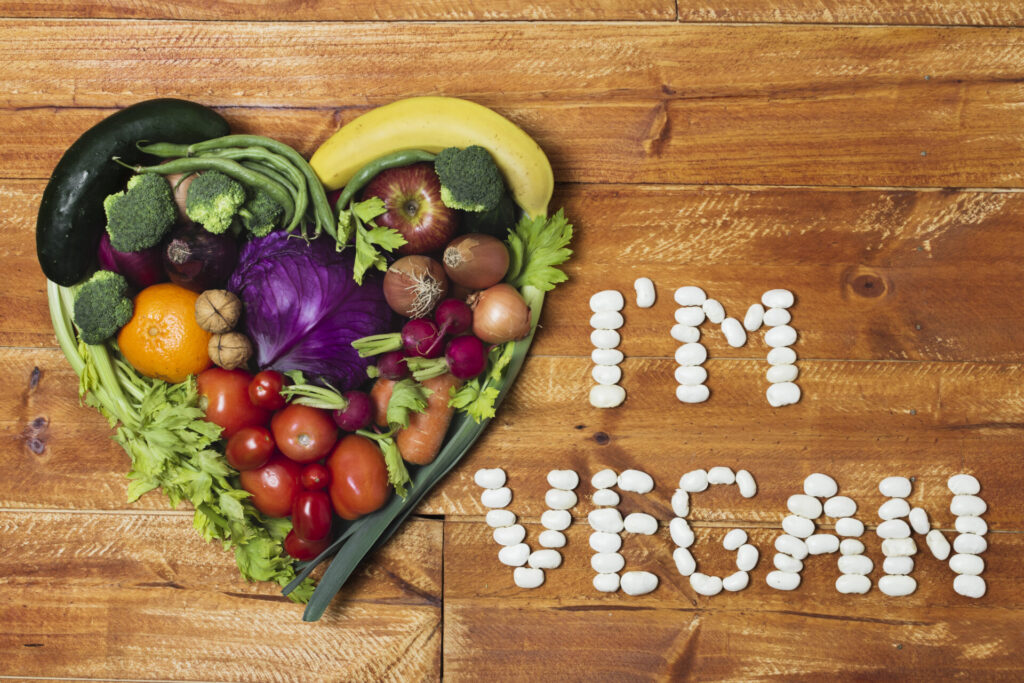
Embracing Your Personal Path Toward Longevity and Ethical Harmony
The Soulful Conclusion of Your Transition Toward a More Compassionate Lifestyle
As we reach the final stage of our journey into the heart of plant-based living, it is essential to take a moment of quiet reflection to honor the profound change you are inviting into your life. Choosing to align your dietary habits with your deepest values is a courageous act of self-integration that requires you to look beyond societal norms and listen to the steady beat of your own heart. This transition is not a destination you reach and then stop, but a beautiful, lifelong evolution of learning how to better care for yourself and the world around you. You have explored the biological requirements of your cells, the environmental impact of your plate, and the emotional resilience needed to navigate a changing world. Now, as you move forward, remember that the most important ingredient in any diet is the kindness you show yourself during the process of growth. This final chapter will focus on how to sustain this lifestyle for the long term, ensuring that your choice to eat plants remains a source of joy, vitality, and unwavering hope for a brighter future.
Integrating Professional Guidance and Community Support for Longevity
Maintaining a vibrant plant-based lifestyle over many years is much easier when you are surrounded by a network of support that provides both scientific clarity and emotional encouragement. Building a relationship with a registered dietitian who specializes in plant-based nutrition can offer you the specific, data-driven adjustments needed as your body ages or your life circumstances change. As noted in the Academy of Nutrition and Dietetics position on vegetarian diets, a well-planned vegan diet is appropriate for all stages of the life cycle, provided it is approached with intentionality. Beyond professional help, finding a community of like-minded individuals can provide a sense of belonging that makes the practical challenges of veganism feel much lighter. Whether it is an online forum, a local cooking club, or a group of friends, having people who understand your journey allows you to share recipes, celebrate successes, and find comfort during moments of doubt. You are not meant to navigate this path in total isolation; by reaching out and connecting with others, you are strengthening your own resolve and contributing to a collective movement of wellness.
Adapting Your Plant-Based Journey to Different Stages of Life
Our nutritional needs are not static; they shift and change as we move through different seasons of life, from the high-energy demands of youth to the nurturing requirements of our later years. For those who choose a vegan path, it is vital to remain flexible and attentive to how these changing stages might require a shift in your nutrient focus, such as increasing protein or calcium as you age. The World Health Organization (WHO) emphasizes that healthy aging is deeply linked to nutrition, suggesting that a diet rich in antioxidants can protect the brain and joints over time. Imagine your diet as a living garment that you must occasionally tailor to fit your current self more comfortably, ensuring it always provides the right balance of protection and freedom. This might mean incorporating more fortified foods during times of high stress or focusing on softer, more easily digestible plants as your metabolism slows down. By staying curious about your body’s evolving language, you can ensure that your plant-based choices continue to serve you as a faithful companion throughout your entire life. It is a process of constant refinement that honors the reality of your changing physical vessel while keeping your core values at the center of your choices.
While a whole-food plant-based diet provides an incredible array of vitamins and minerals, there are certain nutrients that are simply harder to find in the modern plant world due to soil depletion and industrial farming. In addition to Vitamin B12, many people find that supplementing with Vitamin D or Algal Oil (for DHA and EPA) provides an extra layer of protection for their bone health and cognitive function. According to the NIH Office of Dietary Supplements guide on Vitamin D, maintaining adequate levels is crucial for immune function and mineral absorption, regardless of your dietary pattern. Think of supplements not as a sign that your diet is “failing,” but as a modern tool that helps bridge the gap between ancient biological needs and our contemporary environment. It is a way of being “proactively resilient,” ensuring that your cells have every single resource they need to perform their daily miracles of repair and energy production. By choosing high-quality, third-party-tested supplements, you are giving your body a safety net that allows you to enjoy the benefits of veganism with total confidence and peace of mind.
The Mental Health Benefits of Living in Alignment with Your Values
There is a profound and often overlooked psychological benefit to choosing a diet that aligns with your ethical beliefs, as it reduces the internal friction that comes from living in a way that feels “out of sync” with your soul. When you eat in a way that honors your compassion for animals and your concern for the planet, you may experience a greater sense of inner peace, reduced anxiety, and a deeper connection to the world around you. As explored in research from the National Library of Medicine on the link between diet and mental well-being, consuming a high volume of fruits and vegetables is consistently associated with higher levels of happiness and emotional stability. This “moral clarity” acts like a soothing balm for the nervous system, allowing you to move through the world with a sense of integrity that nourishes your mind just as much as your body. It is the quiet joy of knowing that your daily actions are contributing to a more kind and sustainable world, creating a positive feedback loop that strengthens your emotional resilience. This mental lightness is perhaps one of the greatest gifts of the plant-based path, proving that true health is a holistic experience that encompasses the body, the mind, and the spirit.
A Final Reflection on Your Unique Path to Health and Healing
As we conclude this exploration, I want to remind you that there is no single “perfect” way to be a vegan, and your journey is entirely your own to define, shape, and cherish. You have been given the tools, the science, and the emotional perspective to make choices that honor your unique biology and your highest aspirations for yourself and the planet. Whether you choose to go fully plant-based tomorrow or simply begin by adding more vegetables to your plate today, every step you take toward mindful nourishment is a step toward a more vibrant and compassionate life. Trust in your body’s ability to guide you, stay open to the wisdom of researchers and healthcare professionals, and always lead with a heart full of self-love. You are a part of a growing global community of people who believe that a gentler way of living is possible, and your presence in this movement is a gift to the future. May your path be filled with the bright colors of nature, the strength of whole foods, and the enduring peace that comes from living your truth with every bite you take.
FAQs
Is it possible to get enough protein on a strictly vegan diet?
Yes, it is entirely possible and often quite simple to meet your protein requirements on a vegan diet by consuming a wide variety of plant-based foods throughout the day. Legumes such as lentils, chickpeas, and black beans, along with soy products like tofu and tempeh, are excellent sources of high-quality protein that contain all the essential amino acids your body needs. Additionally, whole grains like quinoa and nuts like almonds contribute to your daily totals, ensuring that your muscles and tissues have the building blocks necessary for repair and growth without the need for animal products.
Why is Vitamin B12 so important for someone eating plant-based?
Vitamin B12 is essential for maintaining the health of the nervous system and the production of red blood cells, but it is not naturally occurring in plant foods in reliable amounts. Because a deficiency can lead to serious neurological issues and anemia, vegans must be diligent about consuming B12-fortified foods or taking a high-quality supplement. Monitoring this nutrient ensures that your brain remains sharp and your energy levels stay consistent, allowing you to enjoy the benefits of a plant-based lifestyle without compromising your long-term neurological health.
Can a vegan diet help lower high blood pressure?
A vegan diet is often highly effective at lowering blood pressure because it is naturally rich in potassium, fiber, and antioxidants while being low in saturated fats and sodium. These plant-based nutrients work together to improve the elasticity of the blood vessels and reduce systemic inflammation, which allows the heart to pump blood more efficiently. By focusing on whole, unprocessed plants, many individuals find that their blood pressure stabilizes within a healthy range, significantly reducing the risk of cardiovascular strain and improving overall heart health.
How do vegans ensure they are getting enough iron?
While plants contain “non-heme” iron, which is absorbed differently than iron from meat, vegans can optimize their levels by eating iron-rich foods like lentils, spinach, and pumpkin seeds. To enhance absorption, it is highly beneficial to pair these foods with a source of Vitamin C, such as citrus fruits, bell peppers, or strawberries, which helps the body process the iron more effectively. By understanding this food synergy, you can maintain healthy iron stores and prevent the fatigue associated with anemia while thriving on a completely plant-based plate.
What are the best plant-based sources of calcium for bone health?
Contrary to popular belief, calcium is abundant in the plant kingdom and can be found in high concentrations in leafy greens like kale and bok choy, as well as in calcium-set tofu and fortified plant milks. These sources often come bundled with other bone-supporting nutrients like Vitamin K and magnesium, which are essential for building a strong skeletal framework. By incorporating a variety of these foods into your daily routine, you can support your bone density and ensure your skeletal system remains resilient as you age.
Does a vegan diet cause digestive issues like bloating?
When someone first transitions to a vegan diet, the sudden increase in dietary fiber from beans and vegetables can sometimes cause temporary bloating as the gut microbiome adjusts to the new fuel. This is a natural part of the “rewilding” of your digestive system, and it usually subsides as your beneficial bacteria become more efficient at breaking down complex carbohydrates. To minimize discomfort, it is best to increase your fiber intake gradually and drink plenty of water to help the fiber move smoothly through your digestive tract.
How can I maintain my Omega-3 levels without eating fish?
Vegans can obtain essential Omega-3 fatty acids by including ALA-rich foods such as ground flaxseeds, chia seeds, hemp seeds, and walnuts in their daily meals. While the body converts ALA into the longer-chain EPA and DHA, some individuals choose to take an algae-based supplement to ensure they are getting a direct and efficient source of these brain-healthy fats. This approach provides the same benefits for heart and cognitive health that fish oil offers, but in a sustainable and toxin-free way that aligns with vegan principles.
Is a vegan diet safe for children and teenagers?
Major health organizations, including the Academy of Nutrition and Dietetics, state that a well-planned vegan diet is safe and nutritionally adequate for all stages of life, including childhood and adolescence. The key is to ensure the diet is calorie-dense enough to support growth and includes reliable sources of B12, iron, and zinc. By providing a diverse range of whole foods and monitoring growth milestones with a pediatrician, children can thrive on a plant-based diet while developing healthy eating habits that last a lifetime.
Will I lose weight automatically if I go vegan?
While many people lose weight on a vegan diet because whole plant foods are generally lower in calories and higher in fiber, weight loss is not always automatic or guaranteed. If a diet is high in processed “vegan junk foods,” refined sugars, and oils, it is still possible to consume excess calories that lead to weight gain. For sustainable weight management, the focus should remain on whole, minimally processed foods that promote satiety and provide a high level of nutrients for every calorie consumed.
How does a plant-based diet impact the environment?
A plant-based diet has a significantly lower environmental footprint than a diet high in animal products, as it requires much less land, water, and energy to produce. Animal agriculture is a leading contributor to greenhouse gas emissions, deforestation, and water pollution, so choosing plants over meat is one of the most impactful ways an individual can protect the planet. By eating lower on the food chain, you are helping to preserve biodiversity and ensure that the Earth’s resources are used more efficiently and compassionately.
Can athletes maintain their performance on a vegan diet?
Many world-class athletes have successfully transitioned to a vegan diet, finding that the high antioxidant and carbohydrate content of plant foods helps improve recovery times and sustain energy levels during intense training. Because plant-based diets are anti-inflammatory, they can reduce muscle soreness and joint pain, allowing athletes to train more consistently. As long as caloric needs and protein requirements are met through a variety of plant sources, athletic performance can not only be maintained but often enhanced on a vegan path.
What is the “moral clarity” benefit of being vegan?
Living in alignment with your ethical values can lead to a significant reduction in cognitive dissonance, which is the mental stress caused by holding conflicting beliefs and behaviors. When you choose to eat in a way that avoids harm to animals and the environment, you may experience a greater sense of inner peace and emotional well-being. This mental lightness contributes to overall psychological health, as your daily actions become a consistent reflection of your compassion and integrity.
How do I handle social situations and family dinners as a new vegan?
Navigating social events as a vegan is best approached with a combination of preparation and gentle communication. Offering to bring a delicious plant-based dish to share ensures there is something you can eat while introducing others to the variety and flavor of vegan cuisine. By focusing on the joy of the company rather than the restrictions of the diet, you can maintain your social connections and help your friends and family feel comfortable with your new lifestyle choice.
What should I look for in a vegan-friendly multivitamin?
When choosing a multivitamin, vegans should look for a product that specifically includes Vitamin B12, Vitamin D3 (from lichen rather than sheep’s wool), Iodine, and Zinc. It is also helpful if the supplement contains Iron if you struggle to meet your needs through food alone. Choosing a reputable brand that undergoes third-party testing ensures that the supplement actually contains what is on the label and is free from animal-derived ingredients, providing a reliable safety net for your nutritional health.
Is “processed” vegan food unhealthy?
Like any processed food, highly refined vegan alternatives to meat and cheese can be high in sodium, saturated fats (like coconut oil), and artificial additives. While these products can be helpful during the transition phase or as occasional treats, they should not form the foundation of a healthy vegan diet. A truly health-promoting plant-based diet focuses on “whole” foods in their natural state, as these provide the fiber and phytonutrients that are often stripped away during the manufacturing of processed substitutes.
About The Author
