10 Signs Your Gut Health Is Poor
Contents
- 1 10 Signs Your Gut Health Is Poor
- 1.0.0.0.0.1 Read DISCLAIMER
- 1.0.0.0.0.2 The material presented here is for general informational and educational purposes only and is not medical advice. Although we attempt to provide current and accurate information, this blog should not be used as a replacement for professional medical consultation, diagnosis, or treatment. In all cases, consult your physician or an accredited medical practitioner with regards to any medical condition or treatment. Do not ignore professional medical advice or wait for it on the basis of information provided by this blog. In a medical emergency, call emergency services immediately.
- 1.1 Introduction: When Your Body Tries to Tell You Something
- 1.2 Understanding Gut Health: The Hidden Foundation of Your Well-Being
- 1.3 Why Gut Health Problems Are Increasing Worldwide
- 1.4 What Happens Inside Your Body When Gut Health Is Poor
- 1.5 The Signs Your Gut Health Is Poor: Listening to Your Body Carefully
- 1.6 Diagnosis: Understanding the Root Cause
- 1.7 Treatment: Healing Takes Time, Not Perfection
- 1.8 Doctor’s Clinical Experience: Lessons Learned Over Time
- 1.9 Prevention: Building a Healthy Gut Every Day
- 1.10 Global Perspective: Different Lifestyles, Same Human Body
- 1.11 When to See a Doctor: Do Not Ignore Warning Signs
- 1.12 Conclusion: Your Body Is Speaking—Are You Listening?
- 1.13 FAQs
Discover 10 signs your gut health is poor and how to recognize early symptoms to improve digestion, immunity, and overall health naturally.
Read DISCLAIMER
The material presented here is for general informational and educational purposes only and is not medical advice. Although we attempt to provide current and accurate information, this blog should not be used as a replacement for professional medical consultation, diagnosis, or treatment. In all cases, consult your physician or an accredited medical practitioner with regards to any medical condition or treatment. Do not ignore professional medical advice or wait for it on the basis of information provided by this blog. In a medical emergency, call emergency services immediately.
Introduction: When Your Body Tries to Tell You Something
A patient once told me something very simple, yet very powerful. He said, “Doctor, I don’t feel sick enough to go to a hospital, but I don’t feel healthy enough to enjoy my life.” That sentence stayed with me because it reflects what so many people across the world experience today. They are not critically ill, but they are not truly well either. They feel tired without reason, bloated after meals, mentally drained, and somehow disconnected from their own sense of vitality. When I explore deeper in such cases, very often the root of the problem lies quietly in one place—the gut.
Your gut is not just a digestive organ. It is a central control system influencing your immunity, your metabolism, your mood, and even your sleep. But unlike other organs, the gut rarely gives dramatic warning signs in the beginning. Instead, it communicates through subtle signals—small discomforts, changes in habits, unexplained feelings. Many people ignore these signs, thinking they are normal or temporary. Over time, however, these signals become louder, and the imbalance deepens.
This article is not just about identifying symptoms. It is about helping you understand your body in a deeper, more compassionate way. Imagine I am sitting across from you in a clinic, listening carefully to your concerns, and explaining what your body might be trying to tell you.
Understanding Gut Health: The Hidden Foundation of Your Well-Being
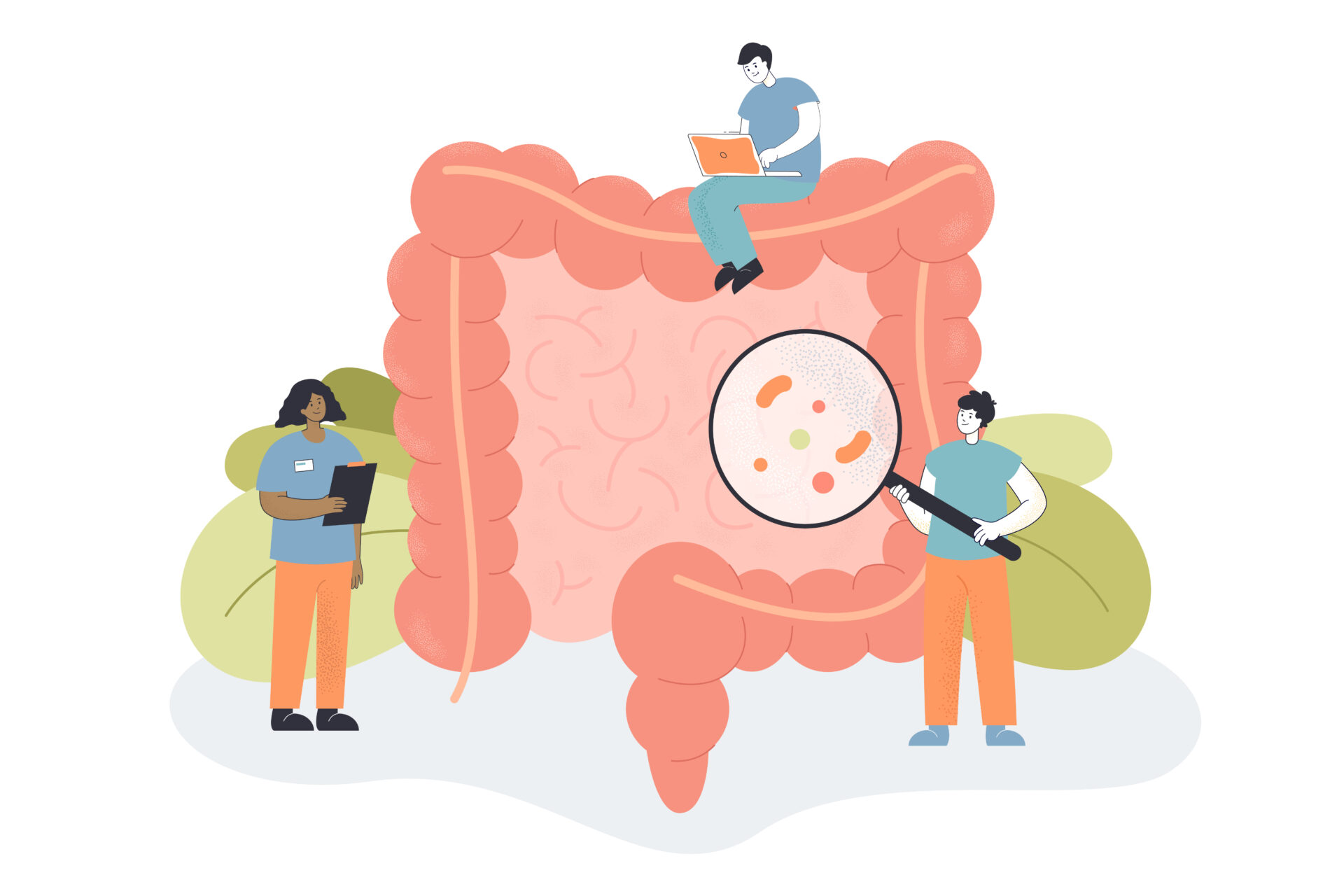
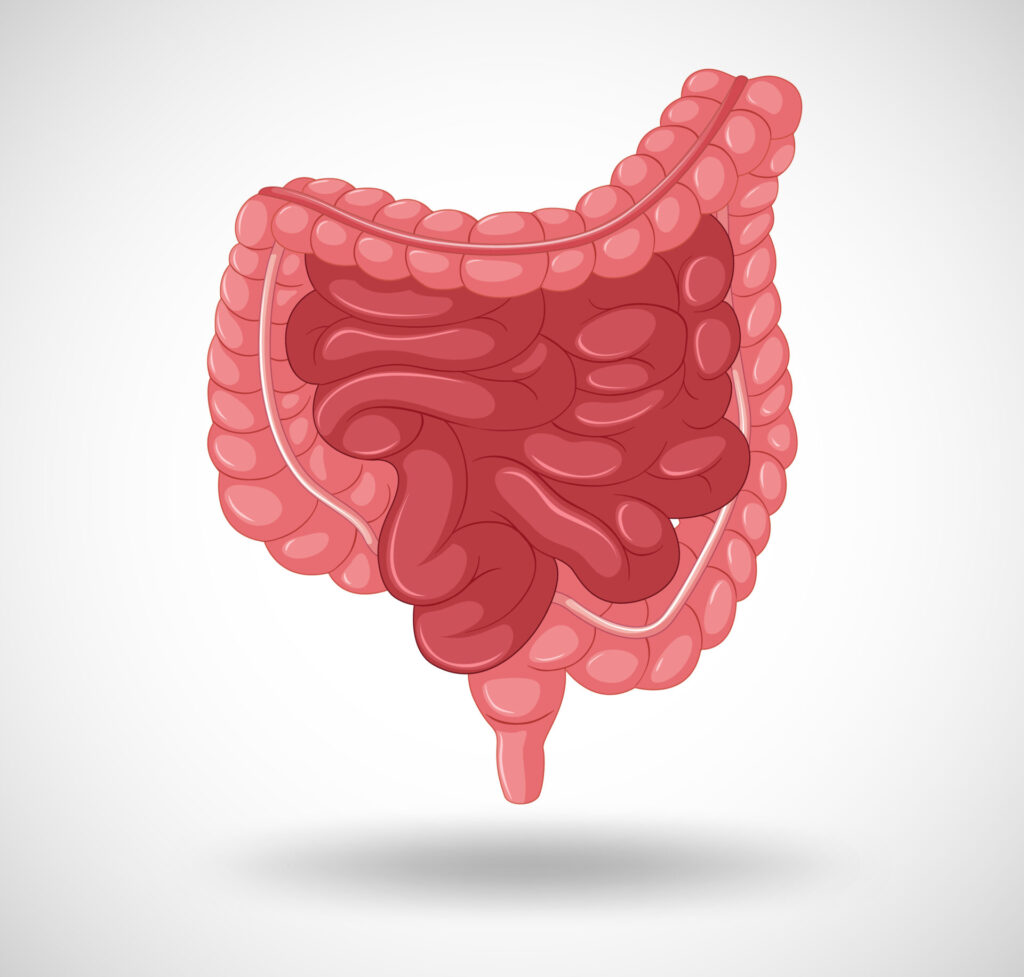
When we talk about gut health, we are referring to the condition of your digestive system and, more importantly, the balance of microorganisms living inside it. Your intestines are home to trillions of bacteria, forming what we call the gut microbiome. These microorganisms are not harmful; in fact, many of them are essential for your survival. They help break down food, produce vitamins, regulate your immune system, and even influence your brain.
To make this easier to understand, I often use a simple analogy. Think of your gut as a large, thriving city. In this city, there are workers who maintain order, builders who repair damage, and guards who protect against threats. These are your beneficial bacteria. But there are also troublemakers—harmful bacteria that can disrupt the balance. When the good bacteria are strong and well-supported, they keep everything running smoothly. But when they weaken, the harmful bacteria begin to take control, and the entire system starts to struggle.
What is important to understand is that this balance is influenced every single day by your choices—what you eat, how you sleep, how you handle stress, and even how you think.
Why Gut Health Problems Are Increasing Worldwide
No matter where you live—whether in a fast-paced urban environment or a quieter rural setting—the modern lifestyle is changing how we eat and live. Traditional diets that were rich in natural, fiber-filled foods are increasingly being replaced by processed, packaged, and refined foods. People are eating in a hurry, skipping meals, and often eating late at night.
I have patients from different parts of the world, and while their cultures and cuisines differ, the underlying issue is often the same. The gut is not receiving the nourishment and care it needs. Antibiotic use has become common, sometimes necessary, but often overused. These medications, while lifesaving, can disrupt the balance of gut bacteria. Stress has also become a constant companion for many people. Whether it is work pressure, financial concerns, or emotional challenges, chronic stress directly affects gut function.
Over time, these factors create an environment where beneficial bacteria decline and harmful bacteria increase. And this is where the signs begin to appear.
What Happens Inside Your Body When Gut Health Is Poor
Imagine your gut as a protective barrier that separates the outside world from your internal system. Every time you eat, your gut processes food, absorbs nutrients, and decides what should enter your bloodstream and what should be eliminated.
When your gut is healthy, this process works smoothly. The lining of the intestine is strong, the bacteria are balanced, and the immune system is well-regulated. But when gut health declines, this system begins to break down. The protective lining becomes weaker, allowing unwanted substances to pass through. This triggers inflammation in the body. Nutrient absorption becomes less efficient, meaning your body does not get the energy and nourishment it needs. The immune system becomes either overactive or weakened.
This is why poor gut health does not just affect digestion. It affects your entire body—from your energy levels to your skin, from your mood to your immunity.

The Signs Your Gut Health Is Poor: Listening to Your Body Carefully
The most important thing I want you to understand is this: your body is always communicating with you. It does not suddenly fail without warning. It gives signals—sometimes quiet, sometimes confusing, but always meaningful.
One of the earliest and most common signs is a feeling of persistent bloating or gas. Many patients tell me that even after eating a small meal, they feel uncomfortably full or tight in the abdomen. This is often a sign that the gut is not processing food efficiently, leading to excess fermentation and gas production. Over time, this discomfort becomes a regular part of their day, something they begin to accept as normal, even though it is not.
Another important sign is irregular bowel movement. Some people struggle with constipation, where passing stool becomes difficult or incomplete. Others experience frequent loose motions or urgency. These changes reflect how your gut is functioning internally. When the balance of bacteria is disturbed, the natural rhythm of your intestines is affected. I often tell patients that their bowel habits are like a daily report from their body, showing how well their gut is working.
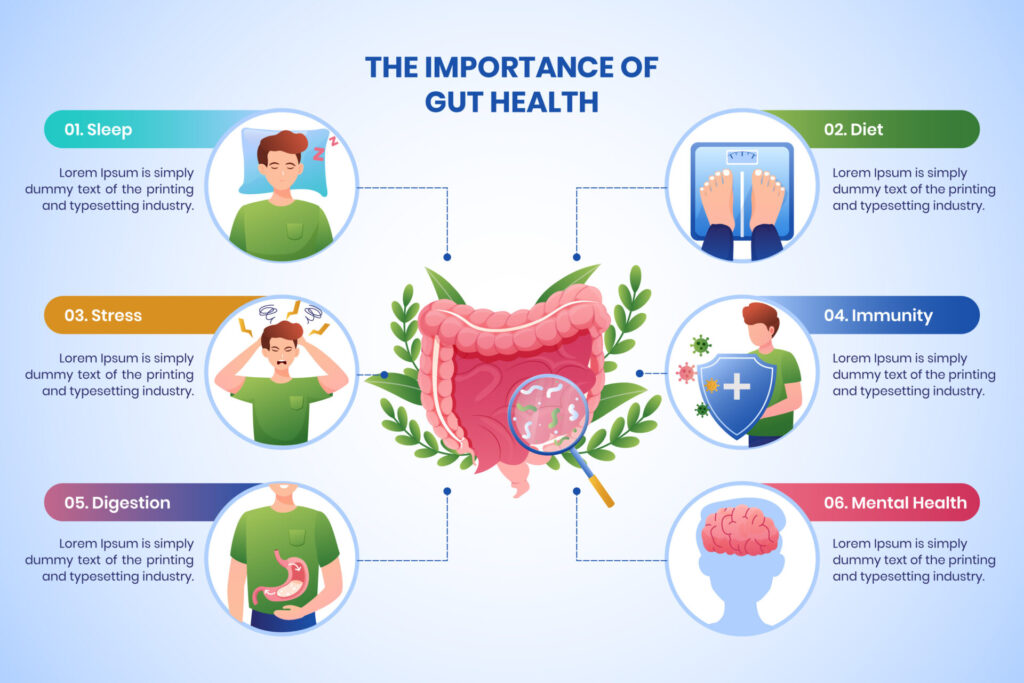
Fatigue is another powerful but often overlooked signal. Many people assume that tiredness is due to work or lack of sleep, but when it persists despite rest, the cause may lie deeper. When your gut is not absorbing nutrients properly, your body lacks the fuel it needs to function. At the same time, inflammation in the body can make you feel constantly drained. Patients often describe this as a heaviness or lack of energy that does not improve with rest.
Frequent infections are also a sign that your gut may be struggling. A significant portion of your immune system resides in your gut. When the microbiome is imbalanced, your body’s ability to defend itself weakens. You may notice that you fall sick more often, take longer to recover, or feel generally less resilient.
Skin problems are another reflection of internal imbalance. Conditions like acne, rashes, or dull skin often have a connection to gut health. When the gut is inflamed or unable to eliminate toxins effectively, these can manifest on the skin. I have seen patients who spent years treating their skin externally, only to find improvement when they addressed their gut health.
Food intolerance is another sign that develops gradually. You may notice that foods you once tolerated well now cause discomfort, bloating, or irritation. This happens when the gut loses its ability to process certain components of food effectively. It is not always an allergy, but rather a reduced digestive capacity.
Mood changes and emotional instability are also closely linked to gut health. The gut and brain are connected through a complex communication system. When the gut is imbalanced, it can affect the production of mood-regulating chemicals, leading to anxiety, irritability, or low mood. Many patients are surprised to learn that their emotional state may be influenced by their gut.
Unintentional changes in weight, whether gain or loss, can also be linked to gut health. The microbiome plays a role in metabolism, appetite regulation, and how the body stores fat. When this balance is disturbed, weight changes may occur even without significant changes in diet or activity.
Persistent bad breath is another subtle but important sign. While often associated with dental issues, it can also originate from the digestive system. Poor gut health can lead to improper digestion and bacterial imbalance, contributing to unpleasant breath.
Sleep disturbances are often connected to gut health as well. The gut influences the production of hormones that regulate sleep. When the gut is not functioning properly, it can disrupt your sleep patterns, making it difficult to fall asleep or stay asleep. Patients often describe a cycle where poor sleep worsens their gut symptoms, and poor gut health further disrupts their sleep.
Diagnosis: Understanding the Root Cause
When a patient comes with these symptoms, diagnosis begins with listening. Understanding lifestyle, diet, stress levels, and symptom patterns provides valuable insight. In some cases, tests such as blood work, stool analysis, or imaging may be required to rule out specific conditions. However, not every case requires extensive testing. Often, the body’s signals are enough to guide initial treatment.
Treatment: Healing Takes Time, Not Perfection
Treatment of poor gut health is not about quick fixes. It is about restoring balance gradually. This may involve dietary changes, improving lifestyle habits, managing stress, and, in some cases, using medications or supplements. What is important is consistency. Many patients expect immediate results, but gut healing is a slow process. With patience and the right approach, the body begins to recover naturally.
Doctor’s Clinical Experience: Lessons Learned Over Time
Over the years, I have observed that many patients ignore early signs, assuming they are normal. Some rely heavily on temporary relief methods without addressing the root cause. Others delay seeking help until symptoms become severe. One of the most common misconceptions is that gut issues are minor and will resolve on their own. While this may be true in some cases, persistent symptoms should never be ignored. Early attention can prevent more serious complications later.
Prevention: Building a Healthy Gut Every Day
The most effective way to protect your gut is through daily habits. Eating natural, fiber-rich foods supports beneficial bacteria. Staying active helps digestion. Managing stress protects the gut-brain connection. Adequate sleep allows the body to repair and restore balance. These principles are simple but powerful, and they apply to people everywhere, regardless of culture or location.
Global Perspective: Different Lifestyles, Same Human Body
Across the world, dietary patterns and lifestyles vary widely. Some cultures naturally include foods that support gut health, while others rely more on processed diets. Awareness of gut health also differs, with some communities having limited access to information or healthcare. Despite these differences, the human body functions in the same way everywhere. The principles of gut health are universal, and small, consistent changes can make a significant difference.
When to See a Doctor: Do Not Ignore Warning Signs
It is very important to know when to seek professional help. If you experience persistent abdominal pain, unexplained weight loss, blood in stool, severe digestive issues, or ongoing fatigue, you must consult a qualified healthcare professional. Do not rely solely on self-diagnosis or online information. Each individual is unique, and proper evaluation is essential. This article is meant to educate and guide, but it cannot replace a real medical consultation. Early diagnosis and treatment can prevent complications and improve outcomes significantly.
Conclusion: Your Body Is Speaking—Are You Listening?
Your body is not your enemy. It is your ally. It is constantly working to keep you healthy, to protect you, and to restore balance when something goes wrong. But it communicates in ways that are often easy to ignore.
The signs of poor gut health are not random. They are messages—gentle reminders that something needs attention. When you learn to listen to these signals and respond with care, you give your body the chance to heal.
You do not need to change everything overnight. You do not need perfection. You need awareness, patience, and consistency.
As I often tell my patients, “Health is not built in a day, but it is built every day.”
And whenever you feel unsure, always seek guidance from a qualified doctor who can understand your unique situation and guide you safely on your journey to better health.
FAQs
- What are the early signs your gut health is poor?
Early signs of poor gut health often include bloating, gas, irregular bowel movements, fatigue, and subtle mood changes. These symptoms may seem minor at first, but they are your body’s way of signaling that the balance of gut bacteria may be disturbed and needs attention.
- Can poor gut health cause fatigue?
Yes, poor gut health can lead to persistent fatigue. When the gut is not absorbing nutrients efficiently, the body lacks essential energy sources. Additionally, inflammation in the gut can contribute to a feeling of constant tiredness even after adequate rest.
- How does gut health affect the immune system?
A large portion of your immune system is located in the gut. When gut bacteria are balanced, they help defend against infections. However, when this balance is disturbed, immunity weakens, making you more susceptible to frequent illnesses and slower recovery.
- Is bloating always a sign of poor gut health?
Occasional bloating can happen due to certain foods or overeating, but frequent or persistent bloating is often a sign of poor gut health. It may indicate that your digestive system is struggling to process food properly.
- Can gut health affect mental health?
Yes, gut health is closely linked to mental health through the gut-brain connection. An imbalance in gut bacteria can influence mood, leading to anxiety, irritability, or even depression in some individuals.
- What causes poor gut health?
Poor gut health can be caused by a combination of factors including unhealthy diet, low fiber intake, excessive processed foods, stress, lack of sleep, frequent antibiotic use, and sedentary lifestyle. These factors disrupt the natural balance of gut bacteria.
- Can skin problems be related to gut health?
Yes, skin conditions like acne, eczema, and rashes can be linked to gut health. When the gut is imbalanced, inflammation and toxins can affect the skin, leading to visible symptoms.
- How can I improve gut health naturally?
Improving gut health naturally involves eating fiber-rich foods, including fermented foods, staying hydrated, managing stress, getting enough sleep, and maintaining regular physical activity. Consistency is key to seeing long-term results.
- Are food intolerances related to gut health?
Yes, food intolerances can develop when the gut becomes less efficient at digesting certain foods. This is often due to an imbalance in gut bacteria and can cause symptoms like bloating, discomfort, and digestive upset.
- Can poor gut health cause weight changes?
Yes, poor gut health can influence metabolism, appetite, and how the body stores fat. This can lead to unexpected weight gain or weight loss even without significant changes in diet or activity levels.
- How long does it take to restore gut health?
Restoring gut health is a gradual process that can take weeks to months depending on the severity of imbalance and consistency in lifestyle changes. Sustainable habits lead to long-term improvement.
- Do antibiotics affect gut health?
Yes, antibiotics can disrupt gut bacteria by killing both harmful and beneficial microbes. While necessary in many cases, they should be used carefully, and steps should be taken afterward to restore gut balance.
- When should I worry about gut symptoms?
You should seek medical attention if symptoms like abdominal pain, unexplained weight loss, blood in stool, persistent diarrhea, or severe constipation occur. These may indicate more serious underlying conditions.
- Is poor sleep linked to gut health?
Yes, poor sleep and gut health are interconnected. An unhealthy gut can disrupt sleep patterns, and poor sleep can further worsen gut imbalance, creating a cycle that affects overall well-being.
- Can children have poor gut health?
Yes, children can also experience poor gut health due to diet, infections, or lifestyle factors. Supporting healthy eating habits early in life helps build a strong and balanced gut microbiome.
About The Author
