
How Aging Impacts Your Immune System: The Role of New Age-Related Epithelial Cells in the Thymus
Read DISCLAIMER
Discover the effects of aging on your immune system and the function of newly formed thymus-related age-related epithelial cells. Examine the thymic involution, the decrease in T cell output, and the new treatments being developed to fight immunosenescence.
Among the many changes our bodies go through as we age, the immune system is one of the most important ones. This reduction in immune function, referred to as immunosenescence, raises the risk of infections, chronic illnesses, and even a weakened reaction to vaccinations. The development and maturation of T cells, which are essential for immunological defense, take place in the thymus, an organ that is vital to this process. The development of new age-related epithelial cells in the thymus has been shown in recent studies to be a factor in the immune system’s gradual deterioration.
This blog will discuss the effects of aging on the immune system, the function of the thymus in the immune system, and the significance of age-related epithelial cells in the immune system. To combat immunosenescence and enhance immunological function in the aged, it is essential to comprehend these processes.
The Thymus and Its Role in Immune Function
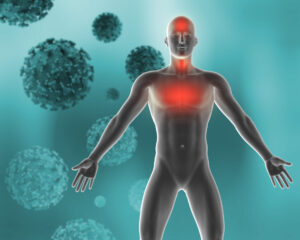
Situated in the upper chest, directly behind the sternum, the thymus is a tiny but vital gland. Despite its small size, this organ plays a crucial role in the body’s immune defense system, especially in the early stages of life. The formation and maturation of T cells, also known as T lymphocytes, which are essential immune cells entrusted with recognizing and eliminating dangerous pathogens including viruses, bacteria, and aberrant cells, including malignant ones, mostly take place in the thymus. These T cells are essential to adaptive immunity, which enables the immune system to customize its response to particular threats and retain them for potential defense in the future.
The thymus is most active and biggest during childhood and adolescence. The thymus effectively generates a significant number of naïve T cells at this time, which travel throughout the body and are prepared to fight off future infections. During youth, the T cell population is abundant and maintains a robust immune system that is capable of fighting off a wide range of infections.
Nevertheless, the thymus starts to decrease as a result of natural aging, a condition called thymic involution. After puberty, thymic involution usually begins and lasts into maturity. The thymus’s ability to generate new T cells is greatly diminished as fatty tissue progressively replaces its functioning tissue. The effects on immunological function of this decrease in T cell generation are extensive. The immune system’s ability to create a potent defense is diminished when there are fewer naïve T cells ready to react to new infections or developing cancer cells.
The immune system’s aging, or immunosenescence, is facilitated by the thymus’s decreased activity. This makes older persons more susceptible to cancer, infectious infections, and a weakened immune response to vaccinations. In other words, the body loses one of its strongest defense mechanisms—the thymus—when it becomes less active, which weakens the immune system as a whole.
As a result, the thymus is important for both early life development and deciding how strong our immune system will be as we age. In order to address age-related immune decline and investigate potential treatments that can halt or reverse thymic involution to preserve immunological function into later life, it is essential to comprehend this process.
How Aging Affects the Immune System
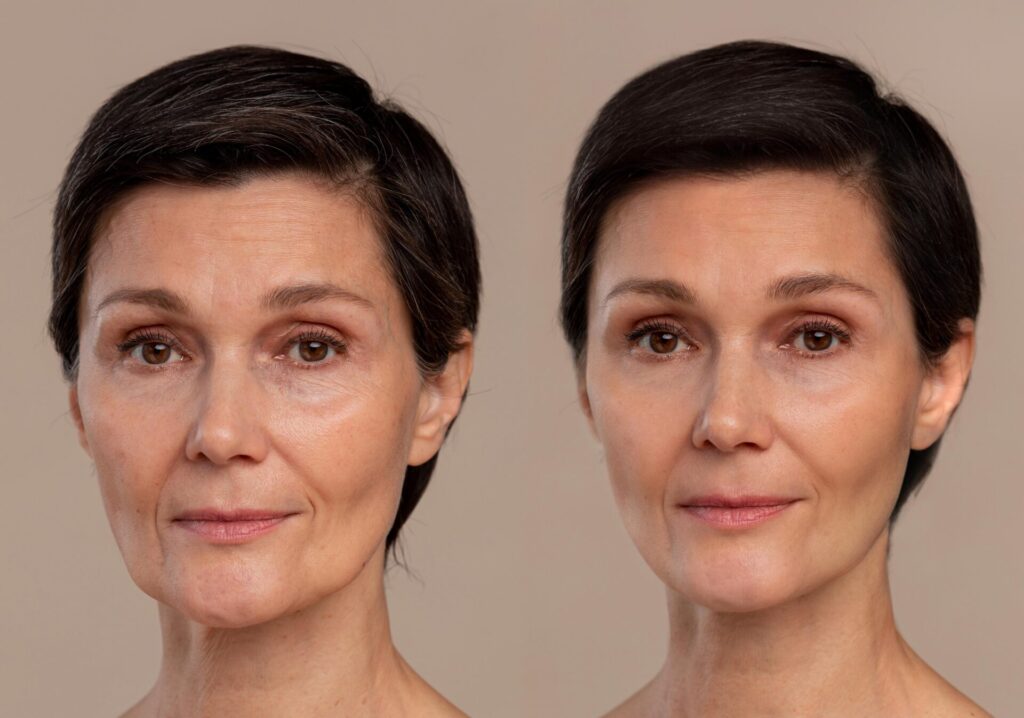
Our immune system experiences a number of intricate and linked alterations as we age, which raises our susceptibility to infections, chronic illnesses, and lowers the effectiveness of vaccinations. Here is a thorough examination of the main ways that aging affects the immune system:
1. Reduced T Cell Production
The decline in naïve T cell generation is one of the most important consequences of aging on the immune system. Thymic involution is the process by which the thymus, which produces these vital immune cells, progressively decreases and loses its ability to function. It takes naïve T cells to identify and react to novel and unfamiliar infections. The body makes fewer of these cells as the thymus becomes less functional, which lowers the body’s capacity to fight against new infections. Due to a decline in T cell production, infections including pneumonia, influenza, and other ailments more easily afflict older persons. Furthermore, a smaller pool of T cells may make it more difficult for the immune system to react to new dangers, which could result in infections that are more severe and require longer recovery durations.
2. Chronic Inflammation
Inflammaging is a term used to describe the low-grade chronic inflammation that is linked to aging. Elevated blood levels of inflammatory markers and cytokines are indicative of prolonged inflammation. It is believed that multiple causes, such as the build-up of cellular damage, recurrent infections, and metabolic alterations, contribute to inflammation. Prolonged inflammation can negatively impact the immune system and be a contributing factor to various health problems. It may impair immunological function, which makes it more difficult for the body to fight off infections and heal injured tissue. Moreover, inflammation has been connected to the onset and advancement of a number of chronic illnesses, including as type 2 diabetes, cardiovascular disease, and several types of cancer. Persistent low-level inflammation can potentially worsen age-related illnesses and negatively impact general health.
3. Weakened Vaccine Response
Immunosenescence, the progressive deterioration in immune function that comes with aging, is a major factor in the decreased efficacy of vaccinations as people age. When it comes to vaccinations, older persons’ immune systems typically react less strongly than those of younger people. Older persons may not receive the same amount of protection against diseases as younger populations even after immunization due to this decreased vaccine efficiency. This is especially worrisome for immunizations that are essential for averting serious illnesses, like the flu shot or the vaccinations against shingles and pneumonia. Because of this increased susceptibility to illnesses and their repercussions, older adults require specific vaccination regimens and booster doses to improve protective immunity in this age range.
4. Increased Risk of Autoimmune Diseases
There is a higher chance of acquiring autoimmune disorders as one matures and loses immune function. When the immune system mistakenly attacks and targets the body’s own healthy tissues because it believes they are foreign invaders, autoimmune disorders result. Organ and tissue damage as well as persistent inflammation can result from an immunological response gone awry. The development of autoimmune disorders is largely due to the immune system’s weakness, which makes it unable to appropriately manage immunological responses. Autoimmune illnesses such as multiple sclerosis, lupus, and rheumatoid arthritis are more prevalent in the elderly population. The greater effect of immunosenescence on the immune system’s capacity to discriminate between harmful and benign substances is reflected in the higher prevalence of autoimmune disorders in the elderly.
The Role of New Age-Related Epithelial Cells in the Thymus
Emergence of new age-related epithelial cells within the thymus has been identified as a critical mechanism contributing to the aging-related reduction in immunological function. These cells, which proliferate during thymic involution, have a major effect on the organ’s capacity to generate and develop T cells, which in turn influences immune system performance as a whole.
Understanding Thymic Epithelial Cells
The thymus’s epithelial cells are essential to the growth and maturation of T lymphocytes. These cells offer a unique milieu that is necessary for T cell education, encompassing procedures like:
– Positive Selection: This mechanism makes sure that T cells that are capable of identifying foreign antigens (while disregarding self-antigens) endure and are chosen for additional development.
– Negative Selection: This stops autoimmune reactions by eliminating T cells that respond highly to self-antigens.
Thymic epithelial cells essentially establish a nurturing environment that aids T cells in developing into healthy, useful immune cells.
read more posts
The Impact of Age-Related Epithelial Cells
The thymus shrinks gradually with aging and replaces functioning thymic tissue with fatty tissue in a process known as involution. Age-related epithelial cells, a novel subset of epithelial cells, start to proliferate in the thymus during this period. These cells change the thymic milieu in multiple ways due to their unique properties and effects.
1. Promotion of Tissue Fibrosis : The build-up of extra connective tissue, or fibrosis, is facilitated by age-related epithelial cells. Fibrosis can make the thymus’s microenvironment less flexible and more rigid, which can hinder T cell growth and function.
2. Induction of Inflammation : In addition, pro-inflammatory substances and inflammatory cytokines are produced by these cells. Persistent thymus inflammation can further upset the delicate balance needed for healthy T cell maturation and education.
3. Disruption of Thymic Architecture : Age-related epithelial cells have the potential to cause structural modifications in the thymus, such as adjustments to the way thymic tissue is arranged. The regular processes of T cell maturation and selection may be hampered by these alterations.
4. Reduction in Functional T Cell Output : The concomitant impacts of inflammation and fibrosis reduce the thymus’s capacity to produce fresh, healthy T cells. The effects of immunosenescence, or the progressive deterioration in immune function that comes with aging, are made worse by this decrease in T cell production.

Consequences for Immune Function
The generation of functionally competent T cells is inhibited by the existence of age-related epithelial cells and their effects on the thymic microenvironment. This decrease is a factor in:
– Weakened Immune Response: The immune system’s capacity to react to novel infections and obstacles is weakened when there are fewer functional T cells in the body.
– Increased Susceptibility to illnesses: As a result of their immune systems’ weakened state, older persons may become more prone to both frequent and serious illnesses.
– Increased Risk of Autoimmune Disorders: When the thymic environment is compromised, T cells may not be sufficiently selected negatively, which raises the possibility of autoimmune illnesses in which the body’s own tissues are unintentionally attacked by the immune system.
Key Findings on Age-Related Epithelial Cells:
A number of important discoveries about the effects of aging-related thymus epithelial cells on immunological function have been brought to light by recent studies. These cells contribute significantly to the immune function decrease associated with age and grow more common as the thymus goes through thymic involution. Here is a thorough analysis of the main conclusions:
1. Structural Degeneration of the Thymus
Age-related epithelial cells play a major role in the thymus’s structural degradation. The thymus experiences an involutionary process as it ages, when fatty tissue progressively replaces its functioning tissue. The process is made worse by age-related epithelial cells, which encourage fibrosis, or the overgrowth of connective tissue that can stiffen and harden the thymic stroma. The thymus’s natural design is upset by this fibrosis, which results in the loss of the specific microenvironment that is vital for T cell growth.
– Fibrosis and Thymic Shrinkage : The fibrotic tissue buildup makes it more difficult for the thymus to remain in its typical size and form. The organ thus loses some of its functionality and its capacity to aid in the development of fresh T cells.
– Thymic Space Loss : These age-related epithelial cells cause structural alterations that decrease the total area available for T cell growth, which further reduces the quantity of functional T cells generated.
2. Production of Pro-Inflammatory Molecules
It is well recognized that pro-inflammatory chemicals produced by age-related epithelial cells, including as chemokines and cytokines, lead to local inflammation in the thymus. Thymic function is negatively impacted by this persistent inflammation in multiple ways:
– Inflammation and Thymic Function : The delicate balance needed for appropriate T cell development can be upset by the ongoing inflammatory environment. Thymic epithelial cells are susceptible to damage from inflammation, which can also impair their capacity to aid in T cell education and selection.
– Impaired T Cell Development : These cells can produce more inflammatory mediators, which can further harm the thymic stroma and impede the normal maturation processes of T cells, due to the inflammatory milieu they create.
3. Interference with T Cell Maturation
T cell maturation is directly impacted by the existence of age-related epithelial cells. The development of T cells is disrupted by these cells, which lowers the number of functional T cells produced:
– Disruption of T Cell Selection : The mechanisms of positive and negative selection that are essential for guaranteeing that T cells are both functional and self-tolerant can be impeded by age-related epithelial cells. This disturbance may lead to the production of T cells that are more prone to attacking the body’s own tissues or less proficient in identifying pathogens.
– Diminished Output of Functional T Cells : These disturbances cause the thymus to create fewer healthy, fresh T cells. Because of this decrease in T cell production, the immune system is compromised, making the body more susceptible to illnesses and infections.
read more posts

The Impact on Health and Disease
As people age, their health is significantly impacted by the appearance of age-related epithelial cells in the thymus and the accompanying decrease in T cell output. The immune system’s capacity to fight off infections, prevent cancer, and treat a range of age-related illnesses is greatly impacted by these alterations. Here’s a thorough analysis of the effects:
1. Increased Risk of Infections
Increasing vulnerability to infections is one of the most noticeable consequences of decreased T cell production right away. Less naïve T lymphocytes, which are necessary for reacting to novel and unknown infections, are produced by the aged thymus. The body’s capacity to mount efficient immunological responses is impacted by this reduction, which might result in:
– Reactivation of Latent Viruses : Reactivation of the varicella-zoster virus, which lay dormant in the body during a prior chickenpox infection, causes conditions like shingles (herpes zoster). Because of decreased T cell function, a weakened immune system makes it possible for these dormant viruses to reactivate and spread disease.
– Respiratory Infections : Influenza and pneumonia are two respiratory illnesses that older persons are more susceptible to. There is a higher frequency of these infections and frequently worse consequences as a result of the immune system’s diminished capacity to recognize and eliminate these bacteria.
– Increased Vulnerability to Other Infections : Due to their weakening immune systems, older persons are more susceptible to a variety of additional illnesses, such as those brought on by bacteria, fungus, and other viruses, in addition to these typical ones.
2. Increased Cancer Risk
Cancer risk is further increased by the decrease in T cell production and the resulting weakened immune surveillance. T cells are essential for locating malignant cells and eliminating them before they have a chance to spread. Reduced T cell function impairs the immune system’s capacity to identify and eradicate newly developing cancer cells, which can result in:
– Higher Incidence of Cancer : In elderly adults, a number of cancers that may have been prevented by a strong immune system in their younger years may become more common. This heightened risk is associated with the immune system’s diminished capacity to identify and regulate cancerous cells.
– Reduced Effectiveness of Cancer Therapies : Furthermore, the efficacy of cancer treatments like immunotherapy, which depends on the body’s immune response to identify and eliminate cancer cells, may be impacted by a compromised immune system.
3. Age-Related Diseases
Reduced T cell production affects a number of age-related illnesses in addition to infections and malignancies. A compromised immune system contributes to the emergence and advancement of multiple long-term illnesses:
– Cardiovascular Diseases : A weakened immune response that exacerbates chronic inflammation is a major risk factor for cardiovascular illnesses. Atherosclerosis and heart disease are among the disorders that are influenced by the inflammatory processes that intensify with age.
– Type 2 Diabetes : Immunosenescence-related persistent low-grade inflammation can reduce insulin sensitivity and play a role in the onset of type 2 diabetes. With age, the immune system’s ability to control inflammation and glucose metabolism is significantly undermined.
– Neurodegenerative Diseases : A weaker immune system may also have a role in the development of neurological disorders like Alzheimer’s disease, according to mounting research. It is thought that diminished immune surveillance and persistent inflammation aid in the development of these illnesses.
read more posts
Can We Reverse or Slow Thymic Aging?
Although thymic involution and the corresponding increase in age-related epithelial cells are normal and unavoidable features of aging, scientists are currently exploring a number of tactics to halt or even reverse these changes. The objective is to enhance general well-being and promote a stronger immune system in older persons. Here’s a closer look at a few intriguing strategies:
1. Hormonal Interventions
The use of hormone therapies to stimulate T cell production and revitalize the thymus is being investigated. Numerous hormones have demonstrated promise in this area:
– Growth Hormone : The effects of growth hormone, which is well-known for its functions in metabolism and growth, have been studied in relation to thymic tissue. Studies reveal that growth hormone can promote thymic epithelial cell multiplication and possibly mitigate certain consequences of thymic involution. More T cells may be produced as a result of this.
– Thymosin : Thymosin is a peptide hormone that the thymus produces and has a role in the development of T cells. Thymosin or similar supplements may help restore thymic function and increase T cell output. The immune-enhancing qualities of thymosin α1, in particular, have been examined for their potential to boost immunological responses in older persons.
2. Caloric Restriction and Fasting
Dietary techniques like intermittent fasting and calorie restriction have shown promise in extending life and improving health:
– Caloric Restriction : Numerous species have demonstrated that they can slow down the aging process and live longer when their calorie intake is reduced without becoming malnourished. Restricting calories has the potential to reduce oxidative stress and inflammation, two elements that are linked to thymic aging. A healthy thymic environment is maintained by calorie restriction through encouraging cellular repair and decreasing metabolic waste.
– Intermittent Fasting : Thymic function can also benefit from intermittent fasting, which alternates between eating and fasting intervals. Autophagy, the process by which the body eliminates damaged cells and produces new ones, is facilitated by fasting periods. This can promote the preservation of thymic tissue and lessen inflammation.
3. Stem Cell Therapies
One possible approach to healing thymic tissue and regaining immunological function is stem cell research:
– Hematopoietic Stem Cells : The ability of these stem cells to produce different blood cells, such as T cells, to regenerate the thymus has been investigated. Researchers hope to stimulate or transplant hematopoietic stem cells to increase T cell generation and boost immunological responses in elderly patients.
– Thymic Epithelial Stem Cells : The ability of thymic epithelial stem cells to rebuild thymic tissue is another area of research interest. These cells may aid in reconstructing and mending the thymic environment, which would improve the generation of new T cells and restore its functionality.
4. Nutritional Supplements
It has been determined that the following dietary supplements are helpful in thymic function support and aging-reduction:
– Zinc : Zinc has been demonstrated to have an impact on thymic health and is necessary for immunological function. It can aid in the reduction of inflammation and promote the growth and functionality of T cells.
– Vitamin D : Improved thymic activity has been associated with vitamin D, which is well-known for its significance in immunological modulation. Sufficient quantities of vitamin D can improve immunological responses and support the upkeep of a healthy thymus.
– Antioxidants : Thymic aging is exacerbated by oxidative stress and inflammation, which can be decreased by antioxidants such vitamin C and E. Antioxidants preserve overall immunological health and shield thymic tissue from injury by scavenging dangerous free radicals.
read more posts
Conclusion
Immunosenescence, the major deterioration of the immune system that occurs with age, affects our capacity to fight infections, react to vaccinations, and control chronic illnesses. The thymus, an organ involved in T cell maturation and production, is important to this immunological aging process. For the purpose of locating and eliminating infections and aberrant cells, such as malignant cells, T cells are essential.
When the thymus is young, it functions at its best, generating a constant flow of immature T cells to take on novel challenges. But as we age, the thymus experiences thymic involution, which lowers the amount of functional T cells it produces. Older persons are more vulnerable to infections, chronic inflammation, and diseases like cancer as a result of this slow deterioration.
The function of newly developed age-related thymic epithelial cells, which appear to hasten this decline, has been clarified by recent study. The thymus’s normal shape and function are disrupted by these cells, which makes the environment less favorable for the maturation of healthy T cells. They also worsen the thymus’s capacity to function by causing localized inflammation and fibrosis.
Scientists are looking for ways to lessen the impacts of immunological aging in spite of these obstacles. Thymic tissue regeneration and T cell production are being supported by dietary interventions such calorie restriction, hormone therapy, and stem cell treatments. In addition, older persons’ immune systems can be strengthened with nutritional support that includes vital nutrients like zinc, vitamin D, and antioxidants.
In conclusion, new directions for study and treatment targeted at boosting immunological resilience in the elderly are made possible by our growing understanding of how the immune system and thymus age, especially the function of these new epithelial cells. We might be able to increase lifespan and healthspan by addressing the underlying causes of immunosenescence, which would keep older persons healthier and more resilient to illness.
read more posts
FAQs with Answers
1. What is immunosenescence?
Immunosenescence refers to the gradual decline of the immune system’s function as a person ages, leading to increased susceptibility to infections and reduced vaccine efficacy.
2. How does aging affect the immune system?
Aging leads to a reduced production of naïve T cells, chronic inflammation (inflammaging), and a weakened ability to respond to new infections and vaccines.
3. What is the thymus, and why is it important?
The thymus is an organ responsible for producing T cells, which are crucial for immune defense. As we age, the thymus shrinks and becomes less efficient at producing these cells.
4. What are new age-related epithelial cells?
These are cells that appear in the aging thymus, contributing to its structural degeneration and impeding the production of healthy T cells, thus weakening the immune system.
5. What is thymic involution?
Thymic involution is the process by which the thymus shrinks and loses its function over time, reducing its ability to produce new T cells.
6. How does the thymus affect T cell production?
The thymus plays a key role in the development and maturation of T cells, which are essential for identifying and combating pathogens and abnormal cells.
7. Can the effects of thymic involution be reversed?
While thymic involution is a natural part of aging, research into hormonal therapies, stem cell treatments, and caloric restriction has shown promise in regenerating thymic tissue.
8. What is inflammaging?
Inflammaging is a state of chronic, low-grade inflammation that occurs with aging, contributing to immune system decline and increasing the risk of chronic diseases.
9. How does aging affect vaccine response?
Older adults typically have a weakened response to vaccines due to immunosenescence, making them more susceptible to infections even after vaccination.
10. Why are older adults more prone to infections?
With age, the immune system produces fewer new T cells, reducing its ability to respond effectively to new infections.
11. Can diet impact immune aging?
Yes, diets rich in nutrients like zinc, vitamin D, and antioxidants can support immune function, while caloric restriction and fasting may help delay thymic aging.
12. What are the health risks associated with immunosenescence?
Immunosenescence increases the risk of infections, cancer, autoimmune diseases, and chronic inflammatory conditions.
13. How do age-related epithelial cells affect thymic function?
These cells promote inflammation and fibrosis in the thymus, impairing its ability to support the development of healthy T cells.
14. Can exercise help slow immune aging?
Regular moderate exercise has been shown to reduce inflammation and improve immune function, potentially slowing the effects of immunosenescence.
15. Are there any supplements that support thymus health?
Nutritional supplements like zinc, vitamin D, and antioxidants have been found to support thymus health and reduce inflammation, helping to maintain a stronger immune system.
read more posts
About The Author
